

The Questions We Asked: One Muslim Family’s Log of Arranging a Grave Marker

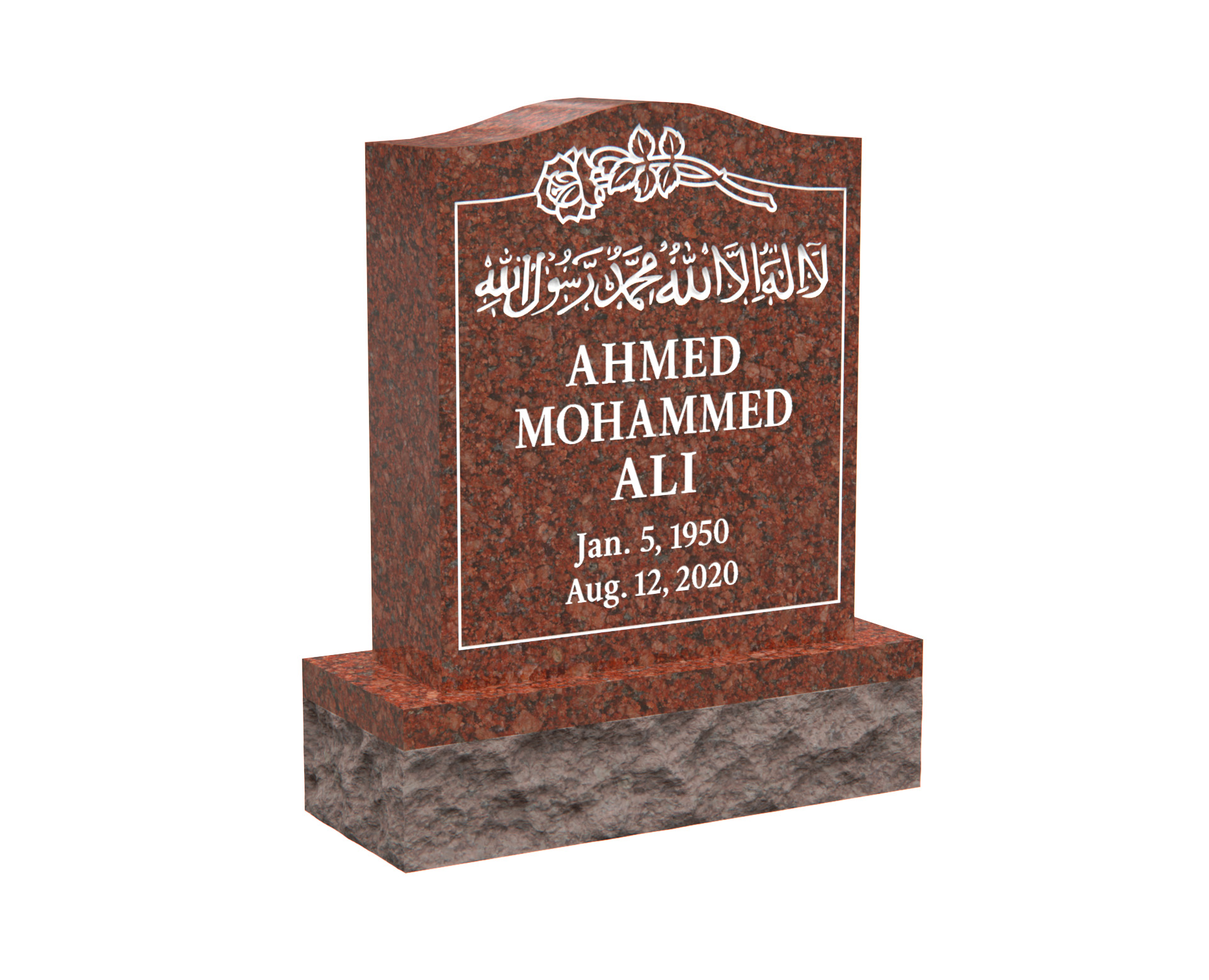
After our father’s death, our family found out that the process of arranging a grave marker had quite a lot of aspects we knew nothing about, and that answering the right questions to the right people was crucial. My brother, a man who keeps logs of absolutely anything, made a log of all the questions we asked and of all the answers we got from our imam, the cemetery management and the monument company, because he felt that another family would need that information one day. The monument company wanted to publish it, and our family agreed on the condition that it will remain what it is: not a scholarly ruling, but a record of one family’s experience. Different communities and different madhhabs have different answers to these questions, as the community practices vary, so please consult your imam about your specific case, just as we consulted ours. Here is our log, with the notes made by the company where practical details concern their area of expertise.
Question 1, to our imam: “Is it okay to put a marker? We have heard that graves should be left unmarked.” And the answer from our imam: the Islamic tradition values simplicity and equality of the dead – the grave itself should be humble and modest, not elevated too much, not having any signs of luxury and excess – but marking it so that the grave is known, honored and visited by the relatives is acceptable and practiced in the Muslim world, and the scholars generally agree with using a simple marker as the identification. The tradition tries to avoid ostentatious things, such as tall monuments, excessive inscriptions and depiction of living creatures. The sentence that our imam stated twice in his answer to this question and that is put in our log: “Mark it so that you can find your father. Do not build a palace for him, because he does not need it, and neither did the Prophet’s companions.”
Question 2, to our imam: “What can be written on the marker?” Answer from the imam: name and dates, and besides the name there is a generally accepted modest religious inscription, such as the Bismillah, the phrase Inna lillahi wa inna ilayhi raji’un (“Surely we belong to Allah and to Him we return”), short du’a for the deceased. Verses of the Quran used as an inscription on the grave are treated with caution in some communities due to their reverence in an outdoor place; our imam approved a short supplication and recommended not to quote too much. Portraits and depictions of any kind are forbidden, and only geometric decoration, a crescent or calligraphic writing of the permitted inscriptions are traditional decorations. Our log contains the words of our mother’s relief at receiving this answer – she was afraid of a bare stone, but she was being offered a beautiful tradition instead.
Question 3, to the cemetery: “Can the grave be oriented to the qibla, and is the section of the cemetery accepting the traditional style of markers?” And the answer that teaches us to ask questions early: our local Muslim community’s section of the cemetery was arranged so that the grave of the deceased person, lying on the right side, faces the qibla – the direction of Mecca, and the section allows markers that we traditionally use, although the general lawn sections of the same cemetery allow flat markers only. “Ask about orientation and section rules before buying the plot,” our log says in my brother’s block capitals. Note of the monument company: this is the reason why their process includes confirmation of every cemetery’s regulations directly from its office, and for the Muslim families particularly why the conversation should start with the section, not the stone.
Question 4, to the monument company: “Can you engrave Arabic correctly? We have seen it done wrongly.” We asked this question bluntly, because all of our family had seen the photographs circulating online – reversed letters, disconnected text, the incorrect version of the Bismillah. And the answer from the company, which made us choose it: every Arabic inscription is reviewed by native speakers prior to production – the composition of the text is checked letter by letter by fluent speakers of Arabic, then shown to the family at a realistic size in a free 3D preview, and is engraved only when the reviewer and the family give their permission. Our uncle, who can read Qur’anic Arabic, reviewed the composition himself and was pleased to find it correct the first time he saw it, which he announced proudly during our dinner. Our log contains the exact words of the company, which my mother likes to repeat: “The script is not decoration for us. It is someone’s name and someone’s prayer.”
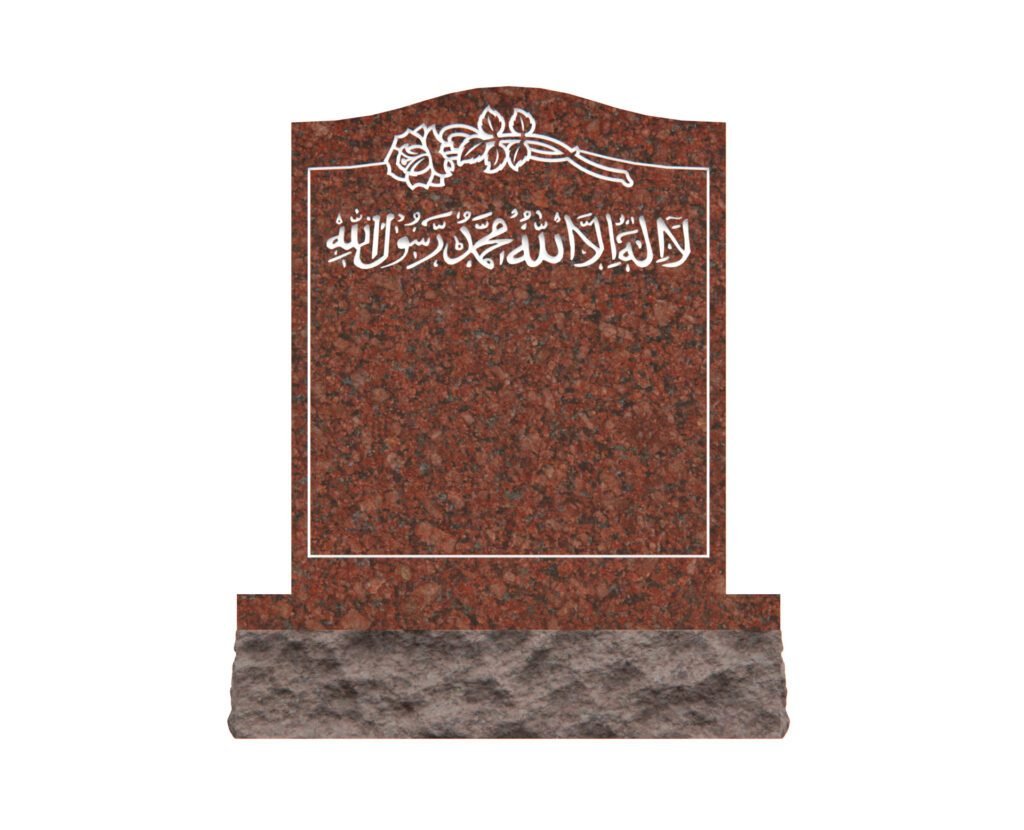
Question 5, to the monument company: “How much is simple and can it be quick? Our tradition buries him within a day; we did not want the marker to take a year.” Answers, from the log’s practical page: simple is the affordable line of their catalog – the modest granite marker, upright, slant or flat with name, dates and the approved inscription, is placed in the accessible price line with engraving included in the price of the stone and shipping free. Production of the simple design takes weeks, not months, and the process of designing went at our fast pace. The payment was not a problem to have it done correctly – 0% installments were offered, although our community is used to handling the matters quickly. Our log states what mattered more than the figures: nobody tried to talk us out of simplicity at any point of the process. The exact words of the consultant, saved by my brother: “In your tradition, restraint is the luxury. We will do the restraint very well.”
Question 6, to ourselves, later: “What do we do at the grave now?” Last page of our log belongs to our imam again, from the visit after the marker was set: visiting graves is recommended in Islam – the Prophet, peace be upon him, said visiting the graves reminds us of the hereafter – and the practice is praying there, not offering anything: greeting to the people of the graves, du’a for the deceased, verses recitation, quiet standing. No candles, no food and no flowers are needed, although pouring some water on the ground is an old and beautiful tradition of many communities. Our father’s grave marker does exactly what was promised by Question 1: it helps us to find him – the correct and modest stone among the rows that face the same direction towards the same center, in the section created by our questions. My brother closed the log with the message of our family to yours, whatever the answers of your imam are: ask everything early, write the answers down, and make the stone simple, correct and findable. Everything that the tradition requires from the granite is contained in these three words, and the workshop that respects them – the correct script, confirmed rules, honest restraint and fair prices – is the only other thing that our log says our family needed.
