

Condition Report: Examination of the Porcelain Photo Memorial, After Many Years of Service Outdoors

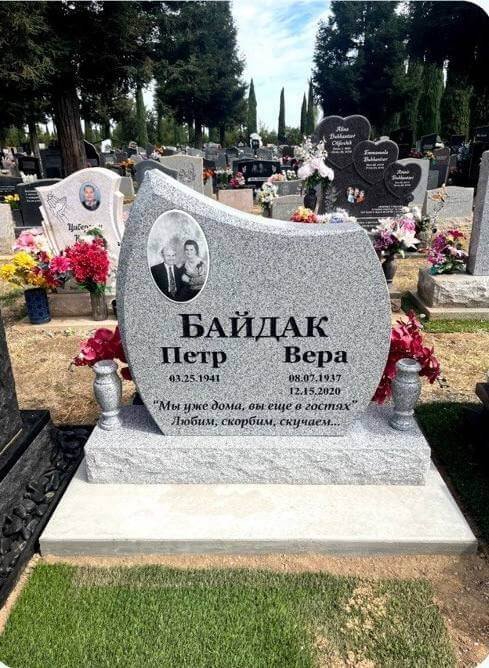
Museum conservators write condition reports: thorough analysis of the object’s state, defects and survival in its decades of existence, and recommendations that follow from the findings. The monument industry almost never writes them, which is a wasted chance, since one of its objects is ideal for such a report: the porcelain photo – photographic portrait fired on ceramic base, mounted on headstones – which has been serving outdoors in America and Europe for over a hundred years already. The report is our informal field examination of the older cemeteries’ sections and their porcelain photos – examination of the condition and failure modes – and in the form that would follow the condition report of a museum conservator: what the object is, how its examples survive, where the failures concentrate, and what follows from it for a family ordering a porcelain photo. Here’s how one could summarize the findings of this report: the object is astonishingly durable, the failures are almost entirely avoidable, and the faces are the reason for cemetery walkers to stop.
What is the object? Porcelain photo memorial is photographic image fired on ceramic substrate at high temperature (image becoming the part of the glazed surface, not a print upon it) in various shapes (oval, rectangular, heart-shaped or circle) and mounted on monument’s face. The whole point of the porcelain photo’s longevity is in the firing process: image fused into vitrified ceramic material is very close to the dinner plate in terms of materials science; glazed ceramic is one of the most durable surfaces created by man. Archaeologists are able to read ceramics with painted images after three thousand years buried underground. The technology on the face of your grandmother’s monument is the same thing.
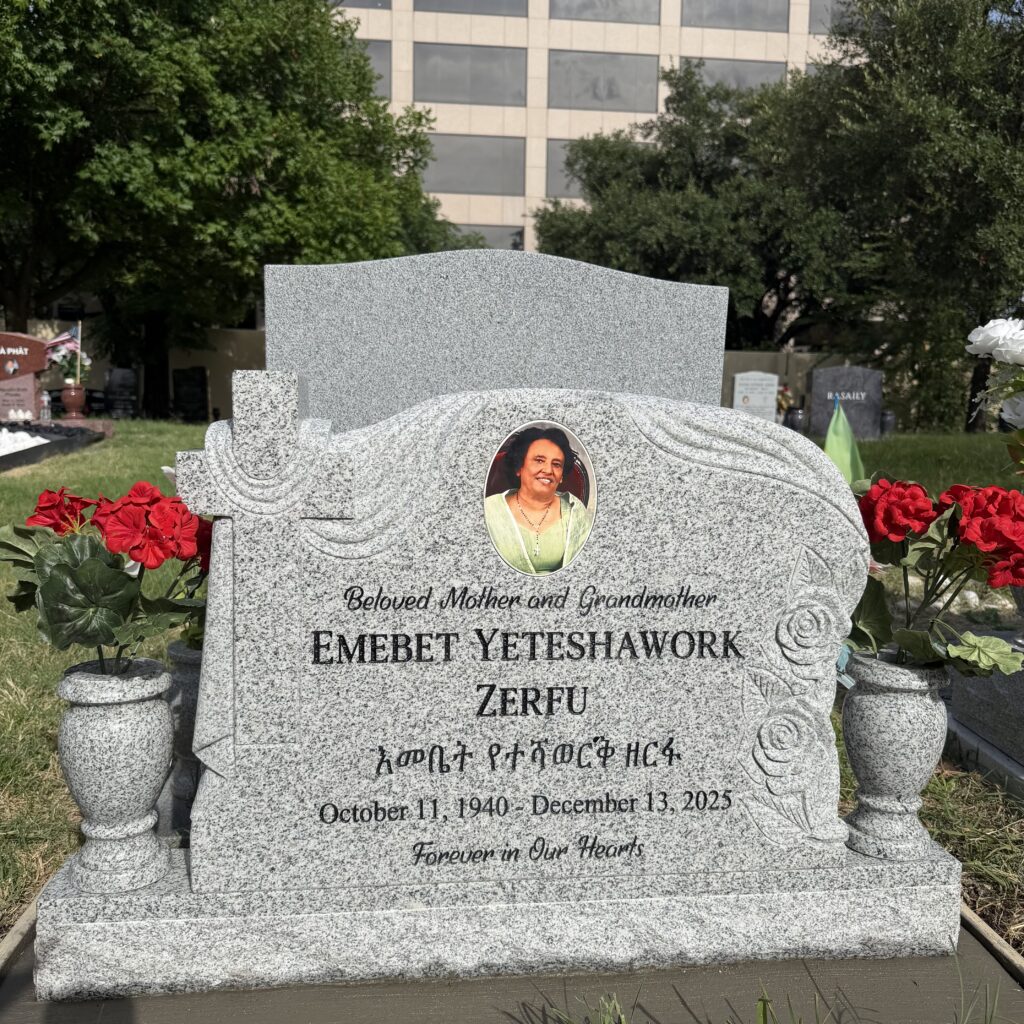
Condition findings: the survivors. One of the strongest findings of the examination is the total normality of survival. Portraits of the 1950s and 1960s – the faces looking at their great-great-grandchildren – are frequently rated excellent: image sharp, contrasts strong, glazing shiny when wiped with the sleeve. Black-and-white examples have aged the best of all, their carbon-based chemistry remaining inert. Early color portraits show the typical softening expected from that era – gentle warm aging, like somewhat faded family album – which examiners noticed being more tender than damaged; modern color ceramics, fired with the modern pigments and formulas resistant to UV-radiation, are engineered not to age in such manner. The report’s clear summary: if a porcelain photo was done correctly, it will outlive everybody who remembers the day when it was taken, and it will do it while being installed outdoors in Texas, Ohio or Florida weather, asking only for an occasional wash with water (without any cleaners and abrasives, which glazing doesn’t need).
Condition findings: the failures, classified. An honest report dwells on failures, and there are exactly three types of them found by the examination. First type, impact: cracked or chipped portrait – mower hit, vandalism or falling branch. This type is quite rare, and it is worth noticing mainly because of the information it provides: the image is fused into the glazing, so damaged porcelain portraits are usually readable, and modern replacement is possible from the same photograph if the family preserves it (first recommendation of the report: store the source photograph with other family documents, always). Second type, mounting failure: empty oval. Saddest object in any old section – the niche, where the portrait used to be, lost not due to weather conditions, but due to failure of adhesive compound (from the time when mounting compounds were inferior) or due to thefts in the grounds with that history. Modern mounting methods – mechanical fastening and adhesives of modern formula – solve exactly that problem, and the report grades them as adequate to excellent. Third type, manufacturing quality: the portrait that faded blotchily or crazed early, due to insufficient firing or inferior pigments of the manufacturer. Prevention is entirely procurement: ceramics from the supplier providing proper firing and warranty. Our own porcelain photos carry the warranty, and the report mentions with the conservator’s dryness that the third type of failure is the only failure mode fully controllable by the family during purchase.
The examiners’ observational note, unquantifiable but unanimous. All of the staff members who walked through the sections had the same non-technical finding: porcelain faces change how strangers walk through cemetery. Visitors stop by portraits. They look at the face, then read the name and dates – in this exact order, with the face being looked at first, always – and talk about that person afterwards as if they saw him or her. Families choosing between engraved portrait in the granite monument (permanent, monochrome, the part of the stone) and porcelain photo (glossy, colorful or classic black-and-white, object installed on the stone) choose between two excellent options, and many monuments carry both of them. The report refrains from ranking them and mentions only the observation: photograph in fired ceramic keeps the face of the person on his or her grave, in color, for a century, and that century agrees with it.
Recommendations. Based on the findings, for families ordering porcelain photos now: choose a porcelain photo for any monument where the face is important for visitors – which examiners think to be true for every monument. Choose candid photograph over the formal one if the family is hesitant; the faces stopping visitors are almost exclusively the faces captured mid-life, and our design department can provide the preview of the exact crop and shape (oval, heart-shaped, rectangle, circle) mounted on your granite monument in the free 3D preview, revisable until the family recognizes the person completely. Specify modern mounting method (recessed, mechanically fixed and warranted – our default). Store the source photograph. Wash annually with water and soft brush, nothing more. And let the economics reassure rather than decide: porcelain portraits are available at a modest price point on any monument we make, engraving is included in every listed stone price, delivery is free and zero-interest plans are available – the face is not the expensive part in this trade. The report ends like any condition report should, with the prognosis of the object: excellent, with proper care; a century, minimum; grandchildren’s grandchildren, introduced by name and face, on good Saturday, in the sun. Examination completed.
