

QR Code Headstone, Revisited: A Return Visit to the First Wave

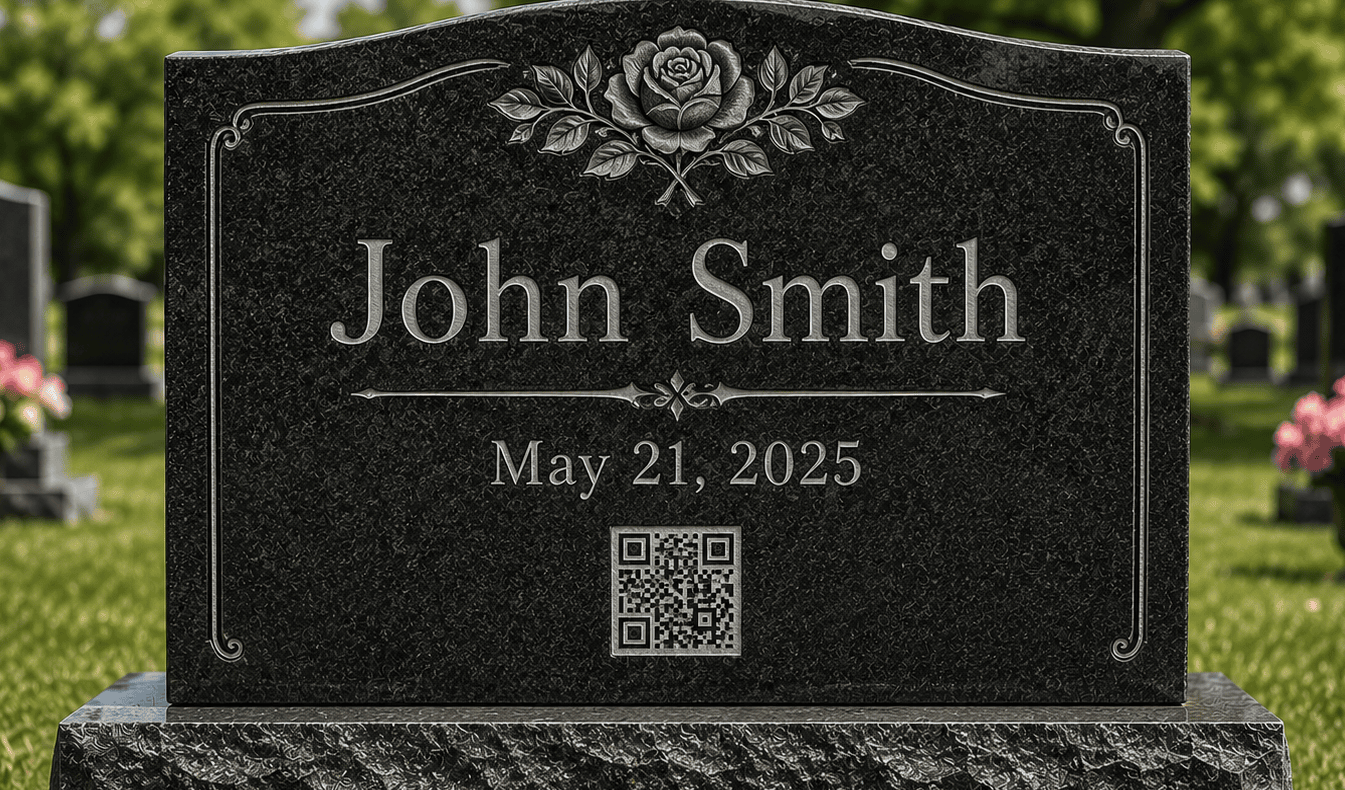
There is a good tradition in technology journalism that the memorial industry should copy: the return visit. Not the launch story – but the visit back, years later, to see what really happened. The QR code for headstones has had its launch stories many years ago; complete with wild predictions of both kinds – all the graves would soon be talking, according to one camp, and all the codes would be dead by Tuesday, according to another one. It is time to pay the due return visit to these graves and answer the only questions worth answering: what survived, what was scanned, what died, and what should the future wave of families using QR codes know about the first one? The results, in field order.
Finding number one: the physical codes survived; the assumptions didn’t. The engraved QR codes and the bonded-plate ones, launched in the first wave, have held up very well; the codes cut into granite look as sharp as on the day they were cut, and the quality bonded plates have shed a decade of weather. There were no failures on the material side of things; there were architectural mistakes, when the codes pointed to the websites that disappeared because the startup hosting them folded, the personal blog was taken down, or the video platform restructured its links. Finding number one of the return visit: the stone lives longer than the company. Therefore, a headstone QR code needs to point either somewhere under the family’s control, or at least somewhere durable – and the families which have managed to direct the codes to the websites hosted by the addresses they owned have living links today. The code is permanent; treat the destination as a maintainable website, just like the flowers.
Finding number two: what families put behind the code surprised everybody, including them. In the launch era, the imagination was biographical; everybody assumed that there would be an obituary, a timeline of events, or a résumé of a life. The return visit showed that the content of the surviving links is much warmer than expected. The pages which are preserved are filled with voices and gatherings – the recording of him telling the fishing story, her voicemail message, the wedding film, the handwritten recipe, the guest book where the visitors leave comments on his birthday. The page of one family consists of forty pictures of the mother laughing, captioned by grandchildren. Finding number two, stated clearly: the QR code for headstone visitors became successful exactly when it stopped being a database and became a kitchen drawer – the loose, loved and human contents that granite can never contain and shouldn’t. The stone holds the name and the permanence; the code holds the noise and the laughter. This division of labor is the point of it all.
Finding number three: the scans are real, and they form clusters. The families which monitor the traffic to their memorial pages say that they have found a pattern which wasn’t predicted by the launch coverage: the scans form regular clusters around holidays and anniversaries – and the part of this finding that moved our return visit most: the scans come in clusters late at night from distant places, as the only means for the out-of-state grandchild to visit the grave. Also, the cemetery walkers scan the codes of the strangers in small numbers – and some families even say that they create the page in part for the strangers, the neighborliness of the front porch generation transferred to granite. The dead-link stones are scanned once, when the curious visitor stops, and never again – which silently makes the case for maintenance.
Finding number four: placement and quality separated the keepers and regrets of the wave. The design audit, which will help today’s buyer to order a monument, is as follows: codes cut straight into polished granite are the best; they belong at a size big enough to be scanned without kneeling (small discreet codes of the first wave have equally defeated the older visitors’ phones and knees). The placement of the code below the name on the stone face or the base is needed in order not to compete with the inscription (the universal regret of families which allowed the code to crowd the inscription: the stone should read as a stone first, a portal second). The advantage of bonded plates is that they can be replaced – relevant in view of finding number one – and the modern practice, followed by our desk, includes pairing the code with the carved line: Scan to remember with us. And cemetery rules have settled almost universally in favor – the code is engraving, and engraving is the one thing the rule books everywhere permit.
Finding number five: the strongest argument of the skeptics turned into the best practice of the adopters. “The technology will become obsolete” was the objection of the launch era; the return visit must report it half-right and fully useful. QR reading has survived and been standardized – it is present in every phone camera now – but the wise families of the wave never risked everything on the technology anyway. Their practice, our recommendation: the code is an amenity added to a complete monument, never a substitute for inscription. Name, dates, epitaph, emblem – carved, self-contained, eternal, requiring no battery anywhere in the loop. Then the code, pointing to the kitchen drawer, maintained by somebody in the family, the address recorded in the family records beside the plot deed. Even if all the servers on earth go dark, these stones will be whole. That is the right engineering approach, and it originated not from the trade, but from the families – as the best memorial customs always do.
The recommendation file of the return visit. For the families which want to add a QR code on headstone granite now, the lessons of the decade in brief: engrave it in polished stone at a generous scan size, place it below the dignity line of the inscription, pair it with the explanatory carved line, point it at the address which the family controls, fill the destination with voice and laughter instead of résumé, assign its maintenance like a family heirloom, and let the monument stand complete without it. Our desk puts all of this in the design preview – code placement is shown at full size, revisions included, engraving is in the price as always, free shipping, zero-interest plans available – and we discuss the destination options with the families with the first wave’s findings in front of us. The graves have learned to talk, it appears. The ones which are still talking are the ones which understand that the stone doesn’t need to substitute the voice of the dead – it needs to amplify it.
