

A Manners Manual for Cemetery Etiquette: On Visiting Graves Considerately

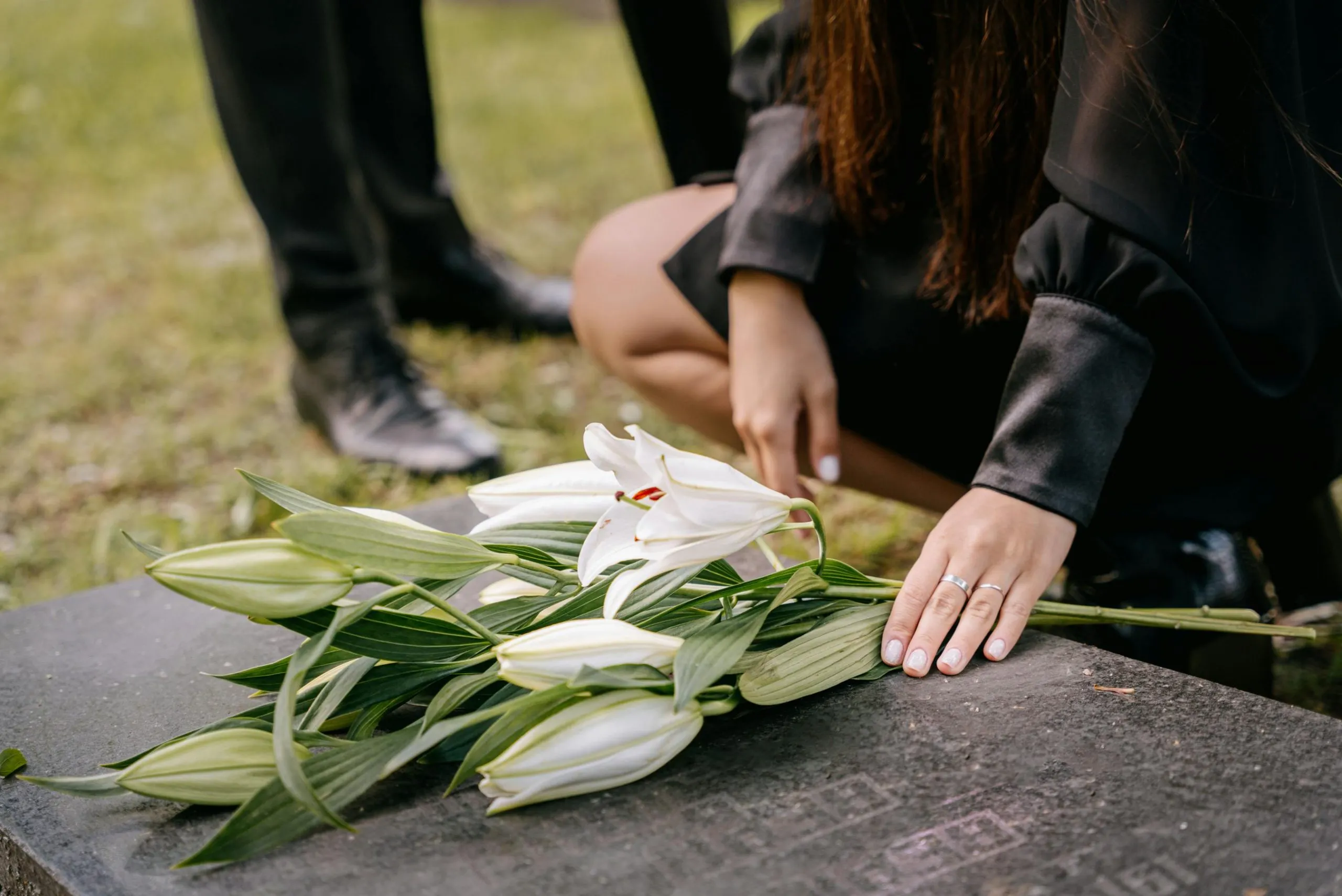
Conduct manuals once offered guidance in every social landscape – from dining rooms to dance halls to condolences in letters – and then stopped just short of that one place where we all eventually stumble around unsure: the cemetery. Visitors wish to conduct themselves properly at the cemetery, but can only assume. Thus, in the classic manner of the manual – numbered sections, plain advice, the presumption that the visitor comes with good intent and not with knowledge of customs – we have the missing section. And the guiding principle, before the sections follow: a cemetery is both a public landscape and two hundred acres of private rooms. And the whole of cemetery etiquette falls from the acceptance of both.
- On arrival. Enter the gates at the stated hours, and be guided by the posted schedule: dawn to dusk, usually, and one worth following since grounds crew and gates keep to the same timetable. Drive at the pace of a walking person, yield right of way to any procession, and park in a way that allows for a passing hearse – which is the standard in practice. On exiting the car, the first instruction of the manual: slow down physically. The pace of the cemetery is the most ancient custom observed in every culture with such places, and the visitor who moves at such a pace will find the rest of etiquette falling into place naturally.
- On the paths and the grass. Walk the paths where they are offered; walk over the lawn when no path exists, but in a respectful way, passing between the graves rather than walking over them if the spacing permits. The tradition in many societies is that one does not walk over graves directly; where the spacing is tight and passage through it cannot be done otherwise, the exception to the rule applies – necessity permits, but sloppiness doesn’t. Touch any monuments gently or not at all, and refrain from climbing, leaning against, or rubbing old stones, the age of which demands a diplomat’s respect.
III. Other people’s graves. The central instruction of the manual. In the act of visiting your own, you will encounter a hundred strangers’ rooms and reading the names upon their stones is not an invasion – epitaphs were made to be read, and reading them is the quiet visitation that their families wished the stranger might make. To pause to read quietly aloud a name upon a stone is a perfectly civil thing to do; to lay a pebble upon it in those traditions where the pebble signifies visitation: perfectly proper. Crossing the line: moving another family’s offerings or arranging them (whether weathered or not – their arrangements are their business); taking photographs of personal items close-up; or making remarks within earshot of a family at a gravesite. Which brings us to:
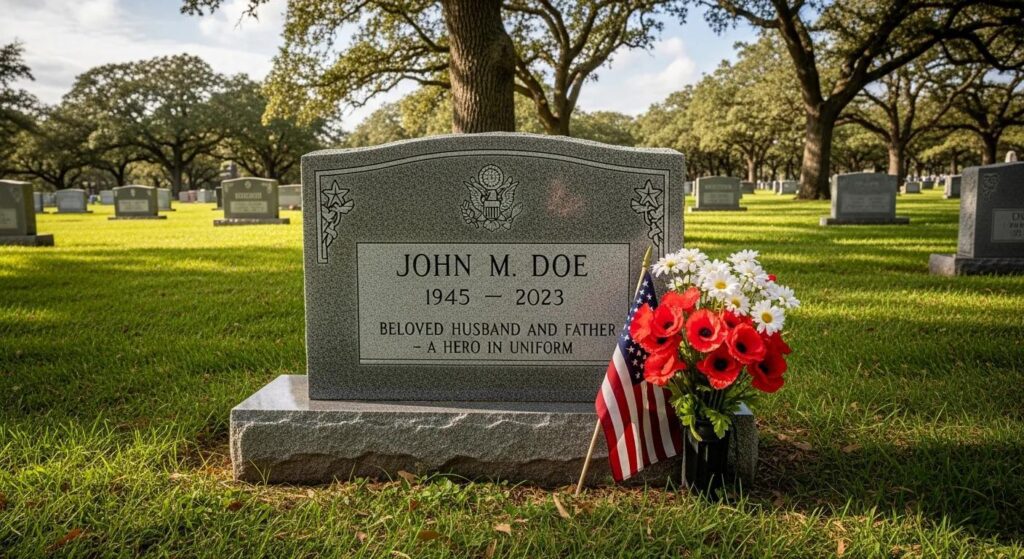
- Encountering mourners. Leave them to their peace. A nod from afar is warm and quite sufficient; don’t approach a graveside being used unless you are invited by more than eye contact. If your destination is adjacent to theirs, an unhurried circumnavigation of the section is suggested as the manual’s recommended choreography – the cemetery will give you time, and giving strangers three minutes of privacy is exemplary etiquette. If a mourner addresses you, the traditional formula holds up just fine: “I’m sorry for your loss,” and let the mourner dictate whether anything else follows.
- Photography. Modern custom that the old manuals couldn’t have conceived of. Photographing one’s own family’s monuments: entirely proper, and recommended – families photograph their monuments too rarely (a clear photograph of the monument by daylight benefits genealogists, insurance adjusters, and archaeologists all at once). Photographing the landscape and historic sites and notable monuments: proper with decorum. Photographing strangers, mourners, funerals, or newly-placed gravestones: never. Posting any pictures on social media? Same test, and at higher stakes – the manual recommends asking whether the family of the monument would appreciate it and not posting anything that wouldn’t answer in the affirmative.
- Children. Bring them – the manual is insistent against the current trend of keeping children away from cemeteries entirely, which breeds the very fear that it wishes to prevent. Brief them in the car in the two principles that cover everything: we walk, and we treat each monument as if it is owned by somebody, because it is. Then leave it to the landscape to educate them. Children cope with cemeteries better than most adults realize, and often better than adults do; their questions at the graves are the start of family history, and answering them truthfully is the true purpose of the day. Running about happens; divert it kindly to the paths and ignore it completely on the great family days of the visiting traditions when all of the ground runs over with children and the custom indulges it.

VII. Dogs. If they are allowed – always check the posted rules, which differ – on a leash and under complete control, and kept off the monuments and any offerings with total concentration on the part of the owner. The manual notes in passing that the most well-behaved regular visitors at several of the grounds we serve are aged dogs of settled opinion, and that at least one of them has been recorded in the groundskeeper’s logs by name.
VIII. On what to bring. Fresh flowers in the approved containers of the cemetery, always appropriate. The tokens of the visiting traditions where relevant – the pebble, the graveside prayer, the marigolds when in season. Water, a soft cloth or soft bristle brush for caring for your family’s monument (nothing harsher, ever, and nothing at all on deteriorated or historic monuments). Gardening gloves for maintaining one’s own plot. And the manual’s most precious recommendation, brought too infrequently: time, and someone younger. A grave visited with half an hour and a grandchild receives the only two offerings that multiply.
- On departing. Take out of the cemetery whatever you brought into it, except what the rules welcome you leaving behind. Right a tilted flower basket on one’s own plot; report – do not attempt to fix – any damage, even to someone else’s monument, to the offices, which keep records and often reach families. A final glance back is an old custom in some traditions and a good one in others: the room made tidy, the visit complete, the name in granite doing its patient work until next time.
Closing advice in the manual. Etiquette everywhere is love expressed as consideration, and cemetery etiquette just says so more straightforwardly than the ballroom chapters ever did. The visitor who walks slowly, reads courteously, yields readily, and brings a child from time to time is conducting himself properly – and is, as an added benefit, precisely the kind of visitor that the family hopes for in placing a monument. In response to that hope, we create for the visits that the manual envisions: granite that responds to gentle tending, vases for the flowers, benches for the half hour unhurried, porcelain faces for the introduction of the grandchild – with free 3D previews, engraving included in all prices, free delivery, and 0% payment plans available, details anytime one’s visiting turns to planning. Until then: dawn to dusk, at a walker’s pace, sorry for every loss encountered. The manual ends.
