

Planner for the Headstone Unveiling: A Countdown to the Dedication Ceremony

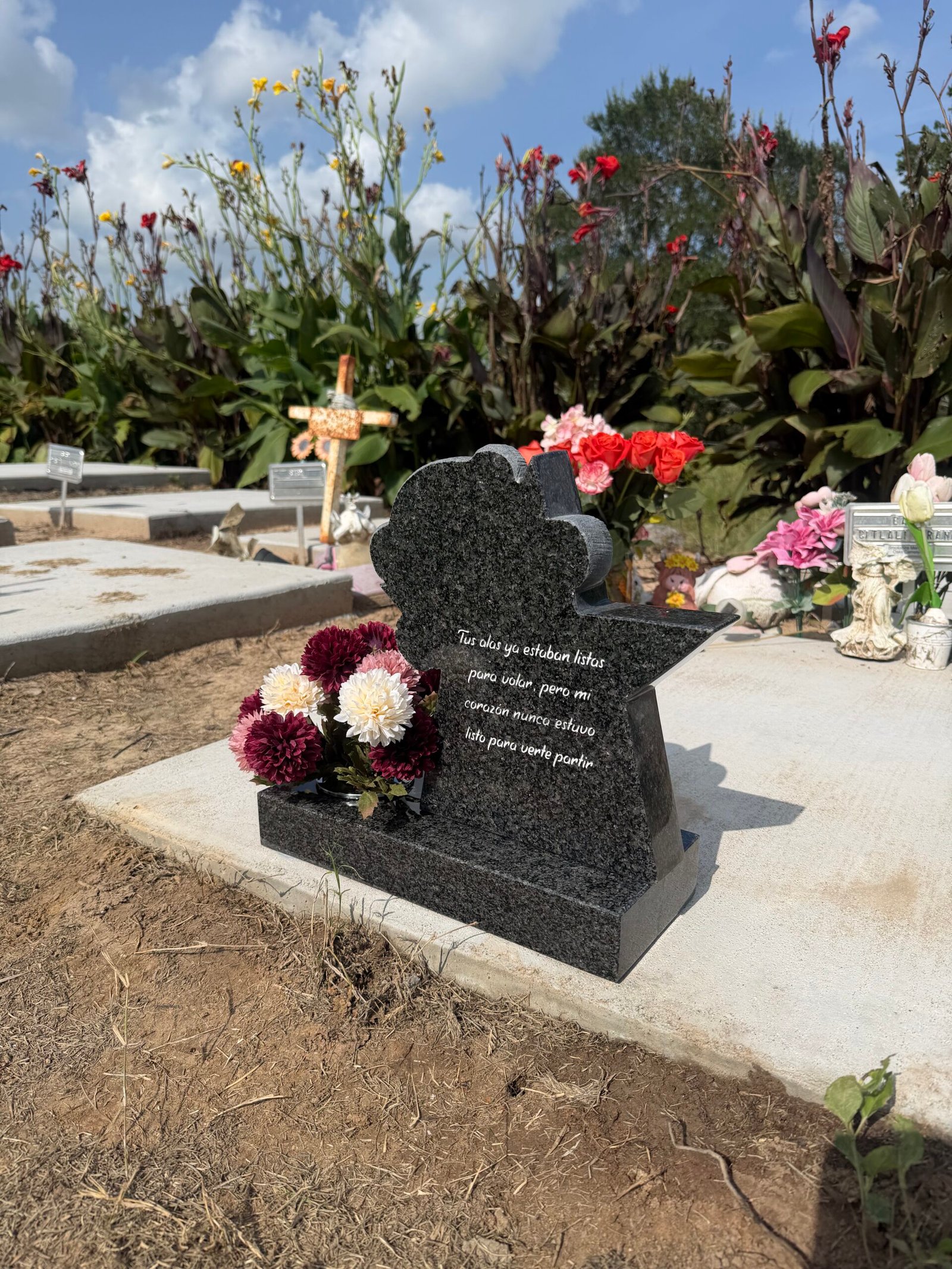
Weddings are planned with binders and funerals without any, but the ceremony in between – the headstone unveiling ceremony, the dedication of the completed memorial – is planned in a nervous week of phone calls. It deserves much better and plans beautifully, as it has one great advantage over the funeral ceremony – time. No matter if your tradition requires a formal unveiling ceremony (like in the Jewish tradition close to the end of the first year after burial) or blessing of the stone by a priest, or if you choose to have a family ceremony with the unveiling of the marker once it is finally set, the logistics will be the same and plan best on a countdown. Here is the planner we lead families through, checkpoint by checkpoint, from six weeks ahead until the unveiling ceremony itself. Print it, or just relax in the knowledge that your week of phone calls is actually the calendar.
Six weeks ahead: choose the date, and make the stone the cornerstone of it. The first rule of the countdown: the ready stone is the cornerstone, so start there. Confirm with your monument company that the production and delivery will land comfortably before your target (as the scheduling goes backwards from your ceremony dates with any monument company as a matter of course), and confirm with the cemetery office that the stone is set and will be inspected in advance. Choose the date depending on your family calendar: most families choose either the anniversary of death, birthday of the deceased or the season when the scattered family is to gather anyway. Weekend late morning is the industry standard – good lighting, quiet grounds and automatic lunch afterwards. Checkpoint: the date chosen, stone is ready (in written confirmation), cemetery is aware.
Five weeks ahead: the guest list and the announcement. Unveilings are announced, not invited – and it is an important point for the families concerned about etiquette. Word of mouth is just fine here, a letter, a call or even a message. The announcement includes information about what, where, when, and one magic sentence – “We would love for you to be with us when we dedicate Mom’s stone”. Spread wide beyond your inclination to narrow things – people will feel honored to be invited to remember, and those that cannot make it will still visit the grave later because they felt included. If the clergy or the religious leader will conduct the ceremony (rabbi, priest, pastor, imam, or any other title of your choice for the steady voice of the family) – you need to contact them and get all the requirements this week. Checkpoint: word spread, leader confirmed.
Four weeks ahead: the fifteen-minute ceremony. The unveiling ceremony is short (fifteen to thirty minutes is the standard time span regardless of traditions) and consists of the following elements: the introduction explaining the reason of the gathering; the reading (or the psalm – every tradition has its own; if there is no tradition for the family, you can choose the favorite poem or the Bible verses of the departed); the unveiling; some memories – two or three members of the family should share memories (assign them in advance gently, but decisively, and let the others join if they want to); a concluding prayer or a statement; and in the Jewish tradition – the Mourner’s Kaddish with ten people present. Prepare the ceremony in a one-page document. Just one page of the binder is enough for the ceremony. Checkpoint: order of service prepared, readers informed.
Three weeks ahead: the cover and the logistics. The cover itself: it can be a plain white cloth, a tallit in the Jewish tradition or any other piece of fabric belonging to the deceased – one of the families we worked with chose the Sunday tablecloth of their grandmother, and nobody attending has forgotten that. It must come off easily; try draping and removing it at home. This is also the moment for the reality check: get all the details about the guidelines from the cemetery (they usually have certain limitations concerning the gatherings, the chairs and the amplification – amplification is rarely required, but graveside voices carry). Provide the few folding chairs for the elder members of your family and arrange parking instructions for the bigger group. And make the decision about the following point – the meal is crucial, as the structure of the ceremony is “remember together – eat together”, and the meal is the moment when the stories are told. Checkpoint: cover tested and chosen, cemetery logistics confirmed, meal arranged.
One week ahead: the visit before the big visit. Visit the grave alone, before the big crowd arrives. Have a look at the ready and clean stone – bring water and the soft cloth just in case the pollen season has started to work – and stand where the whole gathering will be standing. People tell us that the ceremony becomes real at this point, and the pre-ceremony visit a week before makes you a host, not a visitor. While you’re there: where the sun will be at your hour, where the elder members of the family will be able to stand on the level ground, whether your neighbors in the section require quiet voices. Checkpoint: stone seen, heart rehearsed.
The day, T-minus one hour: arrive early and decorate the site. Arrive early: drape the cover, set the chairs, arrange the small table with the required items according to your tradition – the pebbles for the Jewish unveiling ceremony prepared in a bowl, or the flowers for the vases if required. Welcome the arriving guests as the deceased person would have done – this point determines the whole atmosphere of the ceremony, and the families always know exactly how to do it. Checkpoint: cover draped, welcoming started.
The ceremony. Order of service works its magic – words, reading and unveiling carried out by the family hands. There is nothing to “do” at this point, and nothing to get right; the cover is removed, the name is there, permanent, public and correct, and the gathering naturally goes into the actions they take when they do this – they fall silent, then they whisper and finally – inevitably and quite properly – they start telling stories before the final words are said. Let them run. Followed by the final sentence, placing the pebbles or flowers, putting your hands on the stone, and leaving to lunch, where the ceremony concludes over food, as all ceremonies do from the very beginning in all traditions.
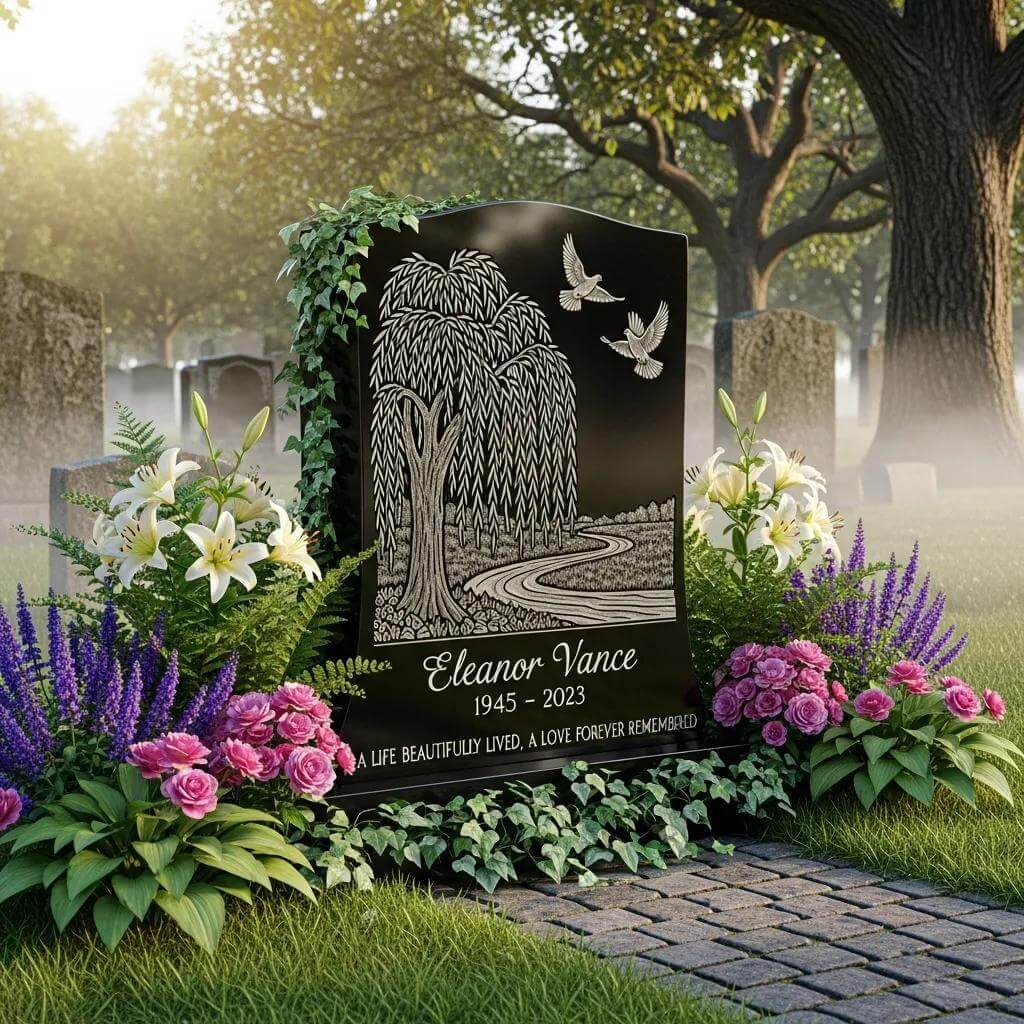
Addition to the planner from our side of the countdown. All the above is based on the successful completion of the anchoring process – the stone ready, correct, delivered and placed on time. It is the part of the ceremony that sits on our desk. That is why the proofs are checked and approved in written form before the cutting, why the free 3D preview exists with its sequence of revisions, why the engraving is included in each listed price, why the shipping is free and the cemetery requirements are sorted in advance with the cemetery office, and why families that plan to the dedication date need to include it in the first meeting: the date is not an option for us, but a promise. This is the end of the countdown for all the headstone unveilings we have ever provided, and the reason for the existence of this planner: the cover is removed, and where there was a covered stone, there is now a name. And the family lets out a breath that they held for a year. Plan the fifteen minutes. They carry the full weight of the year.
