

A Field Guide to Military Headstones: Deciphering the Language of the Stones

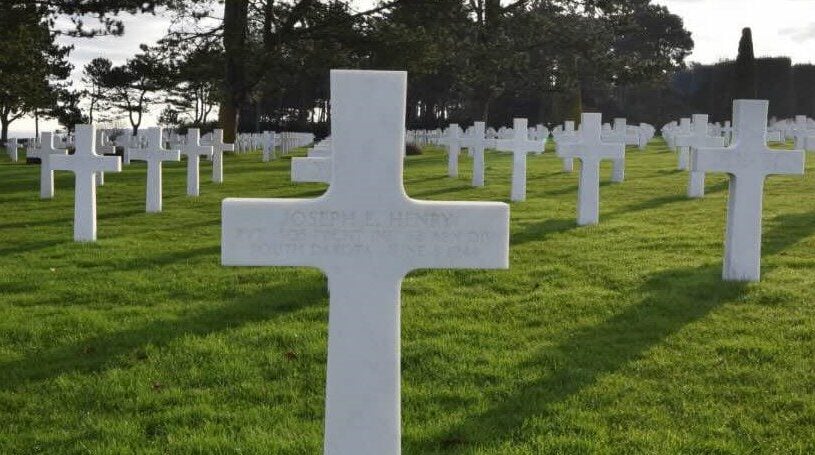
There is a field guide for just about everything that is worth observing in a dignified fashion – birds, trees, clouds – and this field guide deals with the most readable language found on American headstones. Military headstones are written in a concise language of emblems, abbreviations, and conventions that veterans understand perfectly and which passers-by tend to ignore, losing something in the process – each mark engraved on an army headstone was deserved, and the whole point of creating the headstone in question was to be read. The field guide that follows contains entries on the language of veteran markers following the conventional format: description of the marker, features that identify it, habitat notes, and additional instructions. You could take this field guide on your next cemetery visit, or use it as most of our customers do – to design and create the headstone of your loved one, whose service deserves fluent readers.
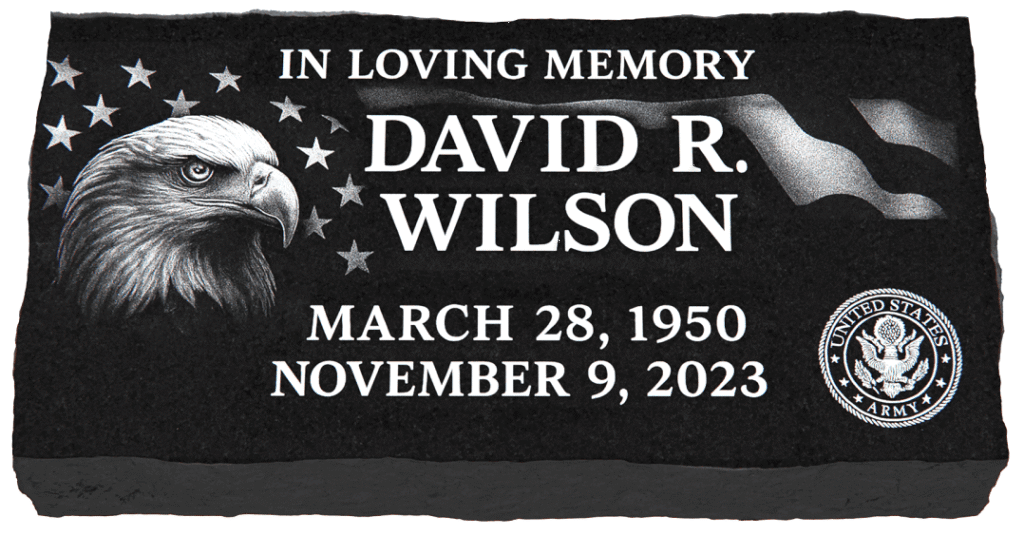
Entry: The Branch Emblems. Field marks: an eagle holding anchors (Navy); eagle-globe-and-anchor (Marine Corps, and Marine Corps members pay attention to the direction in which the globe is facing – ours always faces the correct way); crossed rifles, a star, or the branch seal (Army, depending on the era and particular unit); wings through a star (Air Force); crossed anchors (Coast Guard); and finally, delta and orbit of the Space Force – the latest addition to this field guide. Habitat: top corners and center of private headstones; standardized location on government headstones. Field note:the emblem is the opening word of the stone – when ordering a private granite marker for a veteran, families should know that the engraving of the emblem is included in our pricing and is done with meticulous attention to detail because fluent readers are precisely those people whom the headstone is for.
Entry: The Abbreviation Line. Field marks: a string of letters below the name – SGT US ARMY, WWII; CPL USMC, KOREA; SP4 US ARMY, VIETNAM; HM3 USN. Translation protocol: rank first, service second, war or era third. Recommendation of this field guide to our customers when composing a headstone of their loved one: avoid spelling everything out. The abbreviation line is not merely bureaucratic shorthand – it is the voice of the service, as it appears on the rosters and orders, and the veterans themselves specifically request this inscription in this form. Fluency in this case means leaving the language as is.
Entry: The War Inscriptions. Field marks: WORLD WAR II, KOREA, VIETNAM, PERSIAN GULF, IRAQ, AFGHANISTAN – sometimes more than one of these inscribed, and that in itself is a quiet biography. Habitat note for walkers: observe the dates against the wars, and you’ll begin to see lives – 1926 birthdate under WWII AND KOREA would mean a nineteen-year-old sailor who went back; peacetime dates in between mean a career soldier. Composing note: while the eligibility of the government headstone follows the conventions of the VA, private headstones of veterans could tell the whole story – deployments, ships, squadrons – and our customers ordering private military headstones confirm that grandchildren read those lines longest.
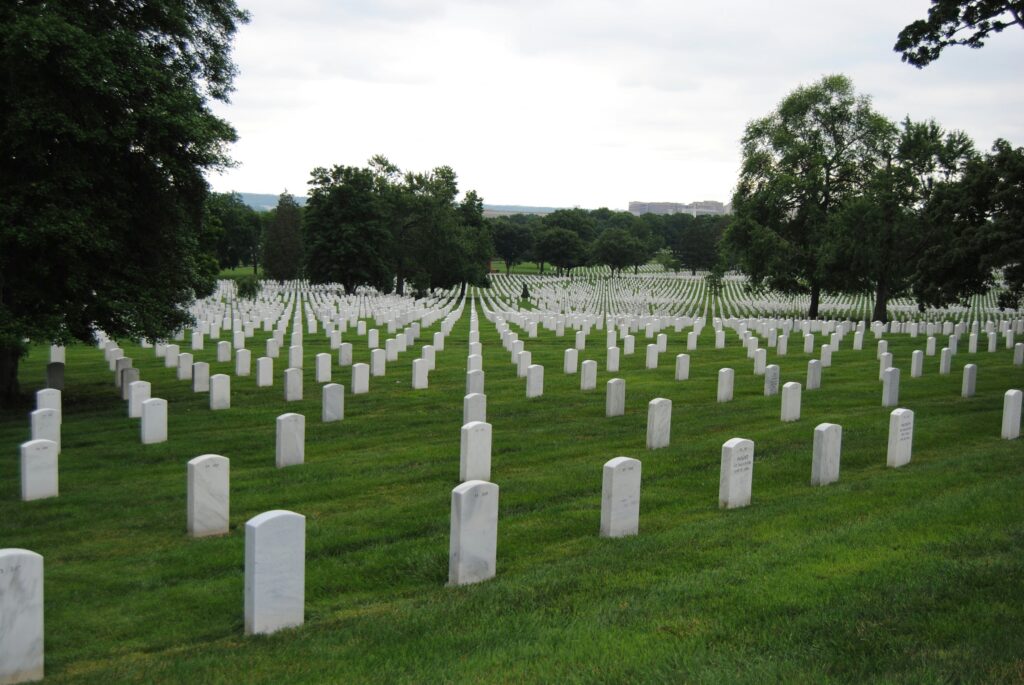
Entry: The Valor Set. Field marks: PURPLE HEART, BRONZE STAR, SILVER STAR, DISTINGUISHED FLYING CROSS – carved as words, sometimes with the ribbons of these medals engraved in relief; and rarest of all, MEDAL OF HONOR – engraved in gold on government headstones. Field note: these lines carry the whole meaning – when seeing PURPLE HEART, you are being told in two words that this person saw blood, and this field guide asks you to stand accordingly. Composing note: decorations on the headstone should follow the precedence as set by the service, and our design department verifies the precedence during proof – one of the correctness matters that veteran families never ask us twice about.
Entry: The Faith-and-Service Pairing. Field marks: branch emblem in one of the top corners, emblem of the belief system in another – cross, Star of David, crescent, or any of the dozens of belief emblems – on government headstones, selected from the official list; private granite markers can choose any of the emblems. Habitat: top corners, symmetrically opposite each other. Field note: this is the distinctive phrase of the American military headstones – it says served under this flag, slept in this faith – and composing it well depends on the equal visual weight, which our 3D preview provides for free.
Entry: The Flag Holder. Field marks: small bronze or aluminum holder on the ground near the headstone, sometimes with a medallion of the service, carrying its flag during the flag-flying days in spring and November. Habitat note: the flags are planted by families, posts, and scout troops, and most cemeteries have special rules protecting the flags even where all other adornments are not allowed. Etiquette for the walker, as taught to us by veteran readers of this field guide:you need not salute, but should not place yourself between a stone and its flag, and should you come upon a fallen flag, straighten it. This is the only entry in the field guide where touching is permitted.
Entry: The Government Marker and the Private Stone, Side by Side. Field marks: the uniform white upright or flat bronze/granite marker provided by the VA; next to it, or in place of it – a family’s own granite stone, in any format – and increasingly both – the government marker at the grave, the private family monument carrying the fuller inscription. Composing note: veteran families are entitled to the government marker and never lose this entitlement if they add a private stone; the bronze medallion route also signifies the veteran status on a family stone. Our department walks our customers through the VA offerings and additions made possible by the private military headstone, listed clearly – and our veteran and first responder pricing on our installment plans, with the zero percent interest available, exist because of the non-neutral position of the field guide’s publisher on this issue.
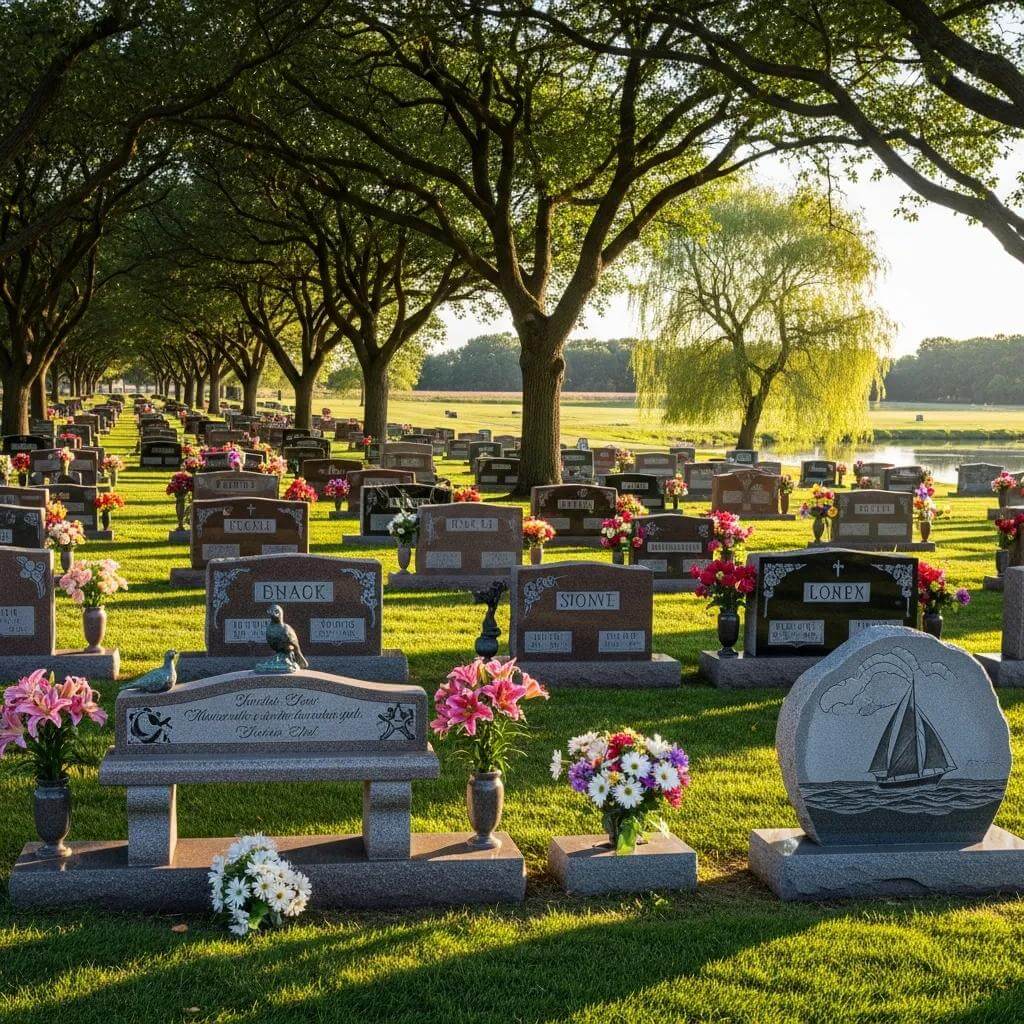
Entry: The Unofficial Dialect. Field marks: the language’s living edge – etched Hueys and destroyers, unit crests, boot-and-rifle memorials, jump wings, a submariner’s dolphins, WELCOME HOME carved forty years after the fact for a Vietnam veteran. Habitat: private headstones, where the language is free. Field note: this is where military headstones become biographies, and the walker who has learned the formal language above will see that unofficial entries suddenly become clear – ship name explains the anchors; two wars explain the two flags at the funeral that your neighbor mentioned. The language of military headstones is worthy of study exactly in the same way its speakers were worthy of ours.
The habitat note for this field guide. Every cemetery in America has a veterans section or at least some of these stones in family sections, and the true purpose of this field guide is to teach you how to walk through them slowly, reading. For those customers who are composing and not just walking through – who have a DD-214 in their possession and a headstone to create – the workshop part of this field guide provides service-correct emblems, precedence verification, government and private stone guidance, free design preview with free revisions, engraving included in every price, free shipping, and the discounts for the installment plans mentioned above. The language of military headstones was earned fully before a single letter was carved. Now your task is only to read it right.
