
Upright Headstone Design Guide

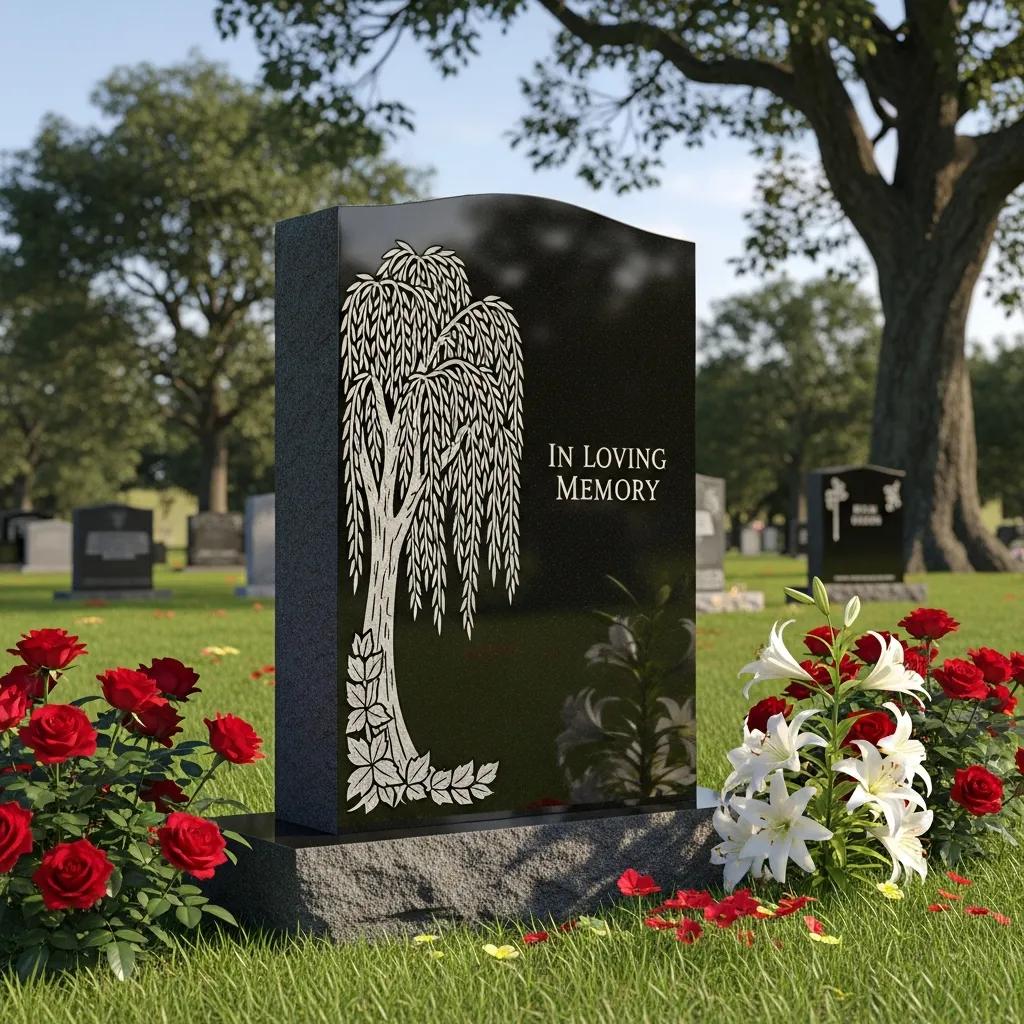
Upright Headstone Design Guide: Choose and Personalize a Lasting Memorial
Deciding on a memorial for someone you love is deeply personal. This guide walks you through upright headstone design so you can choose a marker that reflects their life and honors their memory. We’ll cover the types of upright headstones, common materials and finishes, personalization options, cemetery rules, and cost factors — plus practical tips to help you feel confident about your choice. If you’d like to see examples, explore our products.
What Are Upright Headstones and Why Choose Them?
Upright headstones are vertical memorials that stand above the ground and often become a focal point for visitors. Typically crafted from durable stone like granite or marble, they offer plenty of surface area for inscriptions and artwork. Families choose upright markers for their visibility, permanence, and the way they can be personalized to reflect a life well lived.
Defining Upright Headstones and Their Role in Memorialization
Unlike flat markers, upright headstones stand tall and invite closer viewing. They can be shaped, carved, and engraved with names, dates, symbols, and images that tell a story. Used across cultures and eras, upright stones have long signified remembrance and respect, and their prominent placement makes graves easier to find and visit.
Recognizing the cultural and historical meaning of headstones helps put design choices in context and shows how memorials evolve over time.
Headstone Attributes, Typology & Cultural Significance
Headstones preserve historical detail about communities and reflect social and economic patterns over time. While cemetery studies exist across many U.S. regions, focused analysis—such as typologies used to compare headstone features in specific counties—helps reveal patterns in material, style, and dating.
Comparative Headstone Analysis and Photogrammetry of Cemeteries in Orange County, Florida., 2018
Benefits of Selecting an Upright Headstone for Your Loved One
There are practical and emotional benefits to an upright headstone. Their height makes a gravesite easier to locate. The larger surface allows for meaningful inscriptions, symbols, or images that capture personality and achievements. And when made from durable materials, upright headstones can preserve a memorial for generations.
Which Upright Headstone Styles and Shapes Are Available?
Upright headstones are available in a range of styles and silhouettes. Choosing a shape that suits the person you’re honoring can make the memorial feel more personal and intentional.
Headstone design has shifted over centuries, producing a wide variety of shapes, sizes, and decorative choices.
Headstone Design Evolution & Customization
Historical surveys of grave markers document changes in size, shape, decoration, and inscription practices. Local design traditions emerge, and trends — such as a move toward larger markers over time — are visible when comparing sites across regions and periods.
… eighteenth-century commemoration: the headstone memorials from Balrothery, Co. Dublin, and their place in the evolution of
Irish and British commemorative practice, H Mytum, 2004
Exploring Popular Upright Headstone Styles: Serpentine, Ogee, and Book-Shaped
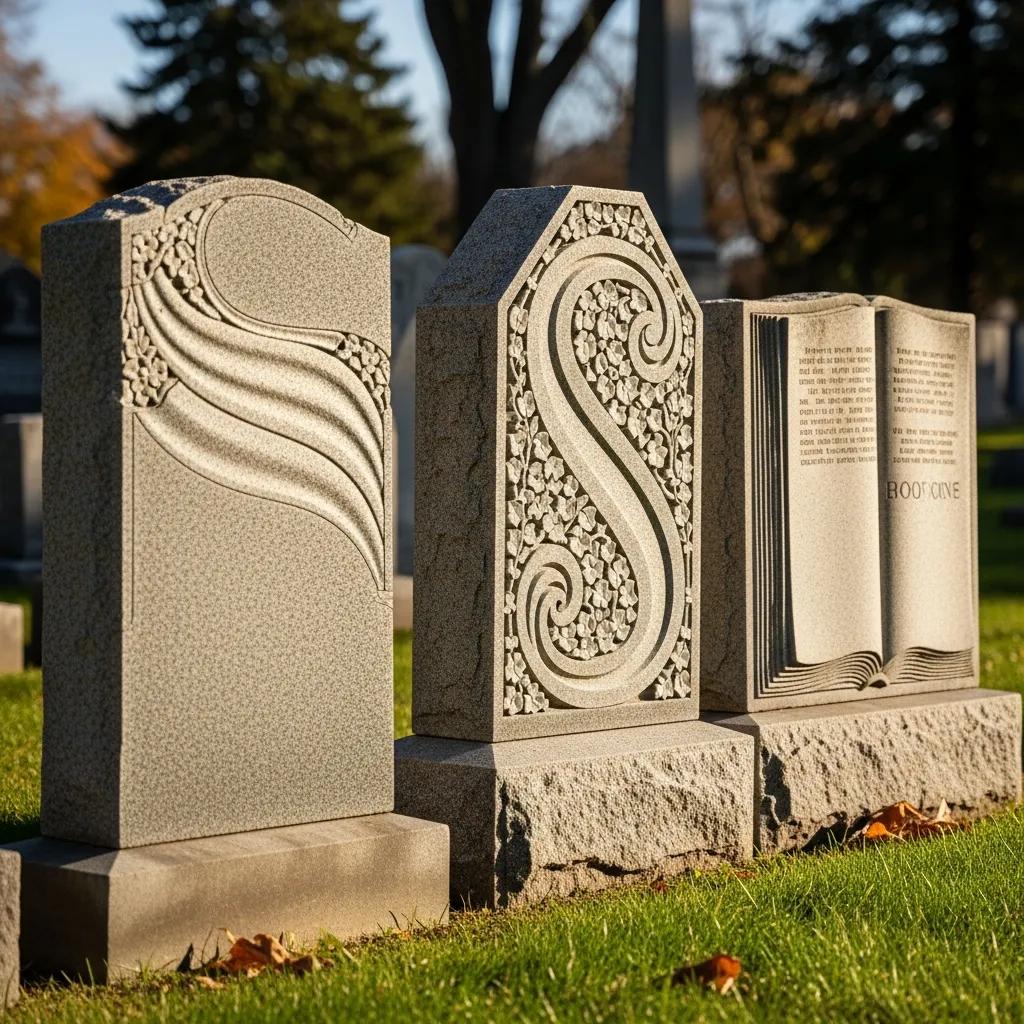
Common upright styles include serpentine, ogee, and book-shaped stones. Serpentine profiles offer a soft, flowing curve; ogee tops feature classic S-shaped lines; and book-shaped markers evoke an open volume, symbolizing a life story. Each shape carries a different visual character — choose the one that best complements the person you’re remembering.
How to Choose Between Single, Companion, and Family Upright Memorials
Think about who the marker will serve and how the site will be used in the future. Single headstones mark one grave. Companion markers are designed for two people, often spouses. Family uprights can be broader or taller to accommodate multiple names. Practical considerations like plot layout, family plans, and personal preference should guide your choice.
How to Select the Right Material for Your Upright Headstone?
The material determines how a marker looks, how it weathers, and how much upkeep it needs. Knowing the pros and cons of common options makes the decision clearer.
Comparing Granite, Marble, and Bronze: Durability and Aesthetic Considerations
Granite is a top choice for upright headstones because it resists weathering and comes in many colors and finishes. Marble offers a timeless, elegant appearance but is softer and more prone to surface wear over decades. Bronze is most often used for plaques set into a stone base; it provides a distinctive look and long-term durability. Consider longevity, maintenance, and the visual tone you want when selecting a material.
Understanding Finishes: Polished, Honed, and Pitched Options Explained
Finishes change a stone’s look and how it ages. Polished surfaces are glossy and make inscriptions pop. Honed finishes are matte and subtle. Pitched or rough-hewn finishes give a rustic, traditional feel. Each finish has different maintenance needs; choose one that fits the aesthetic and upkeep you prefer.
What Personalization Options Enhance Upright Headstone Designs?
Personalization turns a stone into a unique tribute. From lettering style to imagery, the choices let you reflect the life you’re memorializing.
Engraving Techniques: Laser Etching vs. Sandblasting for Memorial Art
Laser etching produces fine detail and can reproduce photographs with high fidelity. Sandblasting carves deeper, offering a classic engraved look. Both methods are durable; your choice depends on the level of detail and the style you want for inscriptions and artwork.
Incorporating Photo Plaques, Religious Symbols, and Custom Artwork
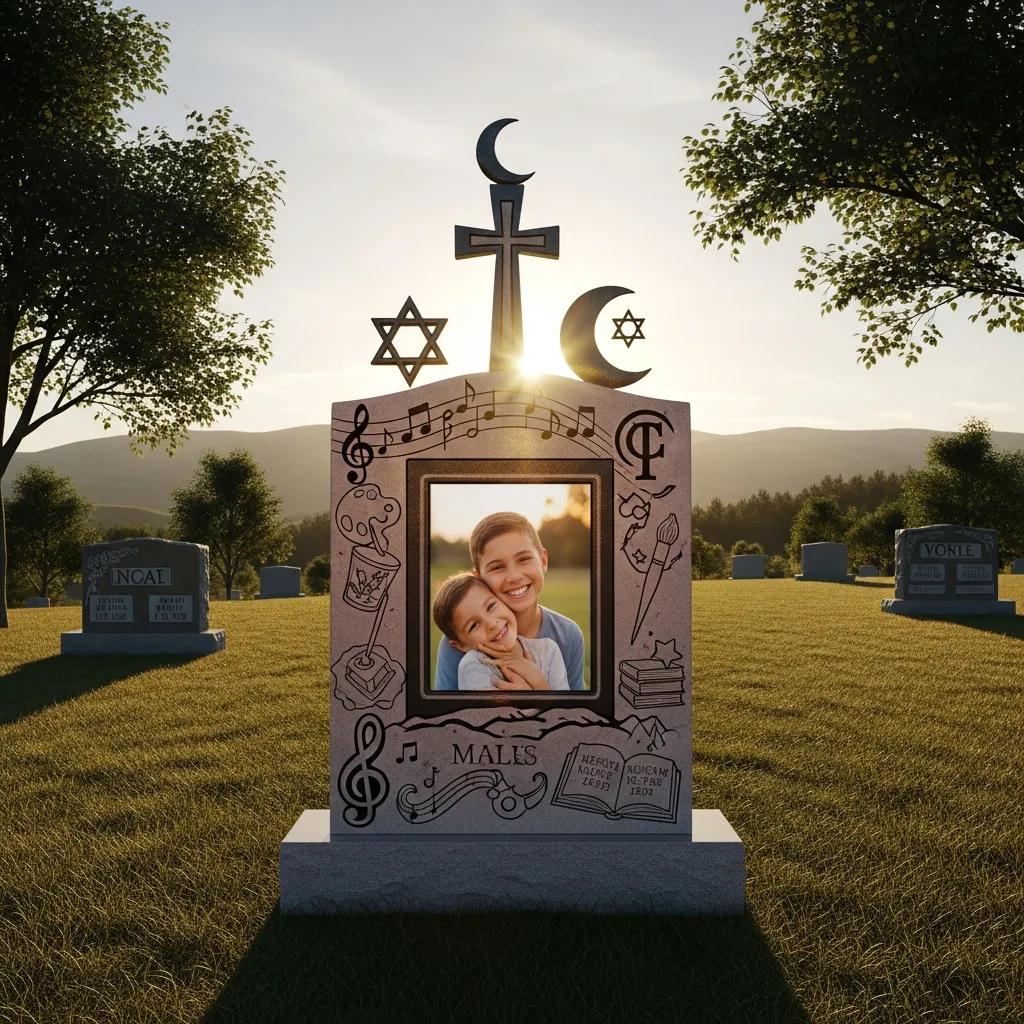
Photo plaques, religious emblems, and bespoke artwork add personal meaning. A photograph can bring the memorial to life for visitors; faith symbols honor spiritual beliefs; and custom motifs — hobbies, careers, or meaningful icons — celebrate individuality. We can help you balance imagery and text so the design reads clearly and respectfully.
How Do Cemetery Regulations Affect Upright Headstone Design Choices?
Cemetery rules often control size, material, and placement. Checking those restrictions early saves time and prevents costly revisions.
Common Size, Material, and Design Restrictions in Cemeteries
Many cemeteries set limits on maximum height and width, approved materials, and certain ornamentation. Some prohibit statues or require a particular base. Always verify the cemetery’s guidelines before finalizing a design so your memorial will be accepted and installed without delay.
Knowing the rules that apply to a burial site is an important step in finalizing any memorial design.
Cemetery Memorial Design Approval & Rules
As with any memorial, final designs typically must be submitted to cemetery management for review and approved according to their rules and regulations.
Rules and Regulations
Tips for Ensuring Compliance with Local Cemetery Rules
Start by requesting the cemetery’s written specifications or visiting their website. Work with your memorial provider — such as Capital Grave Markers — to match designs to those requirements. Keep dimension drawings, material samples, and any necessary permits handy during the approval process to avoid delays.
What Are the Costs and Financing Options for Upright Headstones?
Cost varies by material, size, and customization. Understanding the main cost drivers helps you set a realistic budget and decide where to invest for lasting value.
Factors Influencing Upright Headstone Pricing and Value
Material, stone size, design complexity, and added elements (photographs, emblems, or deep carving) all affect price. Granite commonly costs more than marble because of its durability and popularity. Prioritize the features that matter most to you to balance cost and permanence.
Understanding Capital Grave Markers’ Payment Plans and Guarantees
We offer flexible payment plans to spread the cost over time and stand behind our work with product guarantees. That means you can choose a meaningful memorial within your budget and have confidence in its craftsmanship and longevity.
| Material | Durability | Aesthetic Appeal | Cost Range |
|---|---|---|---|
| Granite | High | Various colors | $1,000-$3,000 |
| Marble | Moderate | Classic elegance | $800-$2,500 |
| Bronze* | High | Unique appearance | $1,500-$4,000 |
*Bronze is typically used for plaques mounted on granite bases rather than as standalone upright headstones.
This table highlights common material differences to help you compare longevity, look, and expected cost.
Upright headstones offer a visible, customizable way to honor a life. With clear information about styles, materials, personalization, and local rules, you can choose a memorial that reflects your values and stands the test of time. Our team is here to guide you through each step.
Frequently Asked Questions
What should I consider when choosing the location for an upright headstone?
Check the cemetery layout, plot boundaries, and any placement rules. Think about proximity to family plots, visitor access, and landscaping — for example, whether shade or plantings might affect maintenance. Cemetery staff can advise on preferred locations and any site-specific considerations.
How can I ensure the longevity of my upright headstone?
Choose a durable material like granite, use appropriate finishes, and clean the stone gently on a regular schedule. Avoid harsh chemicals; soft brushes and mild soap are usually sufficient. Inspect the stone periodically for chips or settling and address issues promptly with a professional.
Are there any eco-friendly options for upright headstones?
Yes. Options include stone sourced from responsibly managed quarries, minimally processed natural stone, or plaques made from recyclable metals. Planting native flowers or a memorial tree nearby can also create a living tribute. Discuss eco-conscious choices with your memorial provider to find suitable solutions.
What are the common mistakes to avoid when selecting an upright headstone?
Don’t skip checking cemetery regulations, underestimate material longevity, or neglect to plan for personalization that matters to your family. Also, verify installation and foundation requirements to prevent future settling. Taking these steps up front will save time and disappointment later.
How can I incorporate cultural or religious symbols into the headstone design?
Work with your memorial provider to select symbols, scripts, or motifs that honor heritage and faith. Many symbols can be engraved, cast, or inset as plaques. Make sure the cemetery allows the chosen elements and that designs are integrated clearly and respectfully.
What is the process for approving a headstone design with the cemetery?
Submit a design packet showing dimensions, materials, inscriptions, and any artwork to cemetery management. They will review it against their rules and either approve it or request adjustments. Coordinate with your memorial supplier to prepare the required drawings and samples to speed the process.
Conclusion
Choosing an upright headstone is an important step in honoring someone’s life. With thoughtful choices about style, material, and personalization — and by confirming cemetery requirements early — you can create a lasting, meaningful tribute. When you’re ready, explore our collection of upright headstones or contact us for a personalized consultation to begin this careful and caring process.


 0% Instalment Plans - Up to 12M - Call For Details!
 Free shipping