
Guide to Ordering a Rush Headstone Fast

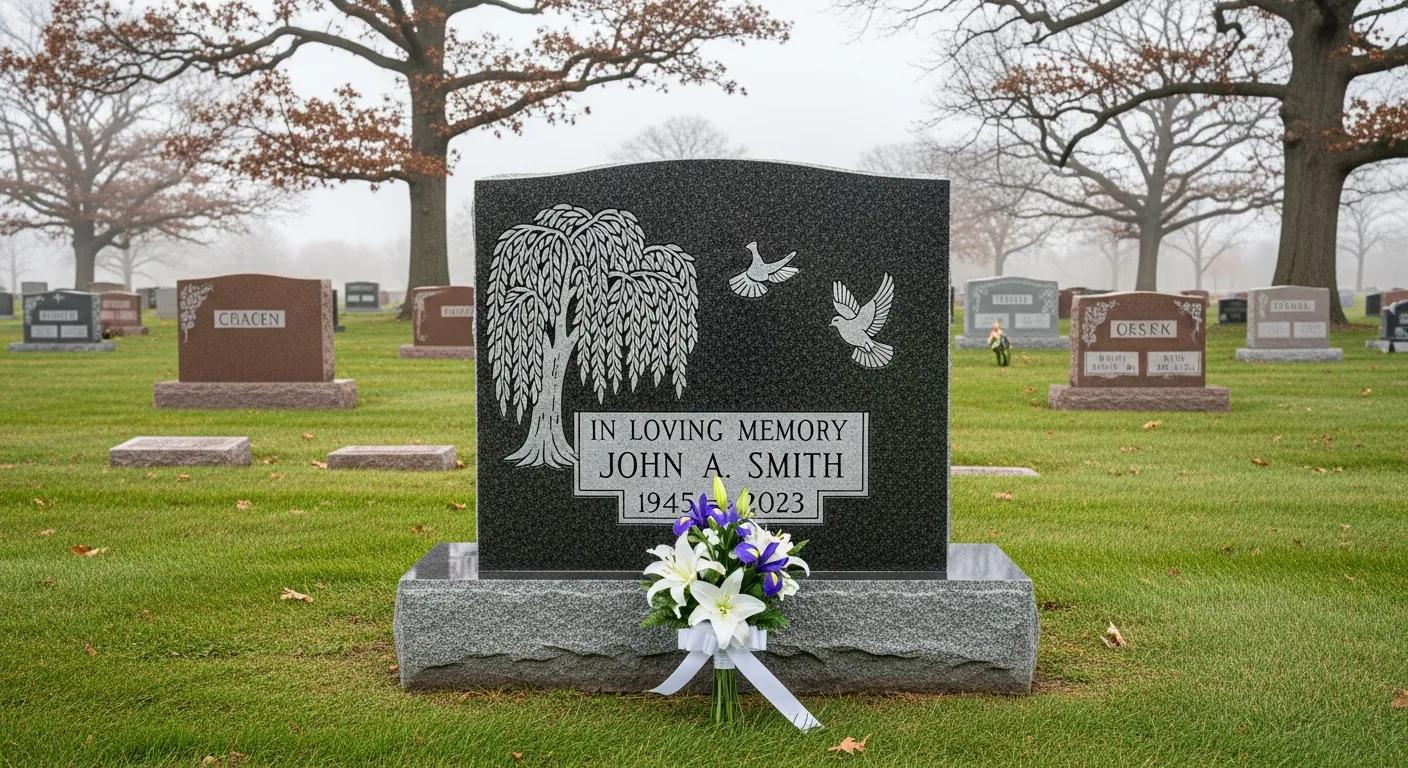
How to Order a Headstone Fast
Losing someone close often creates an urgent need for a permanent memorial. A rush headstone order lets families secure a durable, personalized marker much sooner than standard timelines. This guide explains what a rush order is, typical expedited timelines, and practical steps you can take to shorten production and installation while staying within cemetery rules. You’ll learn how expedited production works, which customization choices add time, what fees to expect, and how shipping and installation are coordinated for urgent orders. We also cover supplier-side options that speed delivery, how to prepare cemetery paperwork to avoid hold-ups, and a cost comparison between standard and rush services so you can decide quickly and confidently. Throughout, search-friendly phrases like rush headstone order, fast headstone delivery, and expedited headstone service are used to help you find clear, actionable next steps during a difficult time.
Table of Contents
- What Is a Rush Headstone Order and How Fast Can It Be Delivered?
- How Does Capital Grave Markers’ Fast Order Process Ensure Quick Headstone Delivery?
- What Cemetery Regulations Affect Rush Headstone Delivery and Installation?
- How Can You Customize a Headstone Quickly Without Delaying Delivery?
- What Are the Costs and Fees Associated with Rush Headstone Orders?
- What Should You Expect During Shipping and Installation of a Rush Headstone?
- Conclusion
What Is a Rush Headstone Order and How Fast Can It Be Delivered?
A rush headstone order means production, finishing, and shipping are prioritized so a completed monument arrives sooner than with a standard order. Providers move these requests ahead in the shop schedule, assign experienced craftsmen, and use faster carriers to shorten lead times. The main benefit is a finished, long-lasting memorial with fewer approval delays. Exact timelines depend on material availability, design complexity, and cemetery approval windows, so setting realistic expectations before committing to a delivery date is important. Knowing typical ranges and the main factors that affect speed helps you pick the fastest, workable options and avoid common delays.
| Order Type | Typical Production Time | Typical Shipping & Installation |
|---|---|---|
| Standard headstone | 4–12 weeks depending on customization | 1–4 weeks for shipping and cemetery scheduling |
| Rush headstone (expedited) | 1 to 4 weeks with prioritized workflow | 3–14 days with expedited shipping and installation coordination |
| Emergency/very-urgent | 48–72 hours for very simple, in-stock markers | Same-week delivery possible in limited cases |
This side-by-side shows that simpler designs, stocked materials, and providers who offer prioritized production deliver fastest. The section below explains how expedited workflows typically save time so you can see where delays are most often avoided.
What Are Typical Lead Times for Standard vs. Rush Headstone Orders?
Lead times depend on production complexity and the supplier’s workload. Standard orders usually take four to twelve weeks, while rush orders—when prioritized—are often done in one to four weeks. Simple flat markers made from stocked granite with standard sandblast engraving sit at the quick end; custom upright monuments with detailed artwork require more time. Material sourcing, cemetery approvals, and the number of design revisions are the main factors that push orders toward the longer end. Understanding those drivers helps you choose options that cut lead time, like stocked stone and limited artwork.
Faster lead times are most likely when you provide clear inscription text and artwork upfront and the cemetery has pre-approved dimensions. That readiness lets production begin immediately once the provider starts work. Next, we’ll look at how providers alter their production and shipping processes to meet urgent deadlines.
How Does Expedited Headstone Service Work?
Expedited service shortens each phase—design, approval, production, and shipping—by changing priorities and logistics. Shops create a prioritized queue, assign experienced staff to rush jobs, and choose carriers with faster transit. Fast digital proofs and proactive cemetery coordination help keep approvals from becoming the bottleneck. The result is a tighter timeline where review cycles and shipping windows are compressed, while quality checks and protective crating remain in place.
Knowing which steps add time—design approvals, engraving detail, and cemetery scheduling—lets you take focused actions to reduce delays. The provider-specific process overview that follows shows where those savings typically happen.
How Does Capital Grave Markers’ Fast Order Process Ensure Quick Headstone Delivery?
Capital Grave Markers uses a clear, prioritized workflow to speed memorial orders without sacrificing craftsmanship. We provide straightforward information about memorial options, show examples of our work, and guide families toward purchasing custom grave markers and services. Our four-step ordering path keeps you informed and moves orders quickly from design into production. Trust signals—like our 60-day completion promise and long-term durability commitments—help give families confidence in expedited timelines.
Key fast-order features include a free 3D design preview to reduce revisions, financing and 0% in-house payment plans to avoid payment delays, and veteran discounts and price-matching where applicable to address cost concerns.
By combining realistic digital proofs, prioritized shop scheduling, and expedited shipping choices, we shorten turnaround while keeping hand-finished attention to detail. Below are the four simple steps in our fast-order workflow and how each step helps speed delivery.
- Choose a design and basic materials: Picking a pre-approved template or stocked granite cuts sourcing time.
- Personalize text and select simple artwork: Final, clear text and minimal artwork reduce approval cycles.
- Approve the free 3D design preview: A quick digital sign-off replaces multiple physical proofs and starts production sooner.
- Production, crating, and expedited shipping: Prioritized shop time and upgraded logistics shorten the final stage.
These steps are meant to cut back-and-forth at every checkpoint and help meet delivery targets; the next subsection explains how the free 3D preview speeds approvals.
What Are the 4 Simple Steps to Ordering a Rush Headstone?
Our four-step workflow centers on fast decisions and smooth handoffs between design and production so delivery is quicker without losing quality. Step one: choose a design and confirm material—stocked granite templates reduce sourcing delays.
Step two: personalize text and artwork with clear, final inputs to avoid revisions.
Step three: approve a free 3D design preview that shows layout and finishes before production begins.
Step four: we begin prioritized production, secure protective crating, and arrange expedited shipping while coordinating installation with the cemetery.
Following these steps—and having cemetery paperwork ready—gives your order the best chance of meeting tight timelines while preserving the craft expected in a durable memorial. Next, learn how 3D proofs reduce revision cycles and speed production.
How Does Free 3D Design Preview and Customization Speed Up Your Order?
A free 3D preview gives a photo-real view of the headstone so you can confirm text placement, font size, and emblem position before production. Seeing the layout in advance reduces uncertainty and cuts revision rounds—most layout and finish issues are caught in the digital proof rather than after a physical sample is made. Fast digital proofs with clear, limited revision windows (for example, two quick rounds) let production start sooner and help prevent scheduling delays.
Choosing simpler customization—standard script, a single portrait, and limited emblems—works well with the 3D preview process and keeps lead times short. The next section explains cemetery rules that often affect installation scheduling and why early coordination matters.
What Cemetery Regulations Affect Rush Headstone Delivery and Installation?
Cemetery regulations can add time to any headstone order because they require paperwork, size approvals, and sometimes engineered foundations. Understanding and preparing for these rules helps avoid unexpected hold-ups.
Most cemeteries set limits on materials, maximum dimensions, and installation methods, and many require proof of ownership or permits before work can begin on-site.
That matters because even if production is expedited, installation can’t move forward until cemetery approvals and scheduling are finalized.
Gathering the cemetery’s rules and submitting required forms early speeds approvals and aligns installation availability with expedited shipping.
To be practical: contact the cemetery office for the lot-specific rules and request any forms or template specs they require. The section below explains how those rules influence approval and installation timing.
- Verify size and material guidelines: Confirm allowed dimensions, finishes, and base requirements.
- Obtain required documentation: Have the deed, lot number, and any authorization forms ready.
- Ask about installation windows: Learn the cemetery’s scheduling cadence and any emergency exceptions.
Being prepared before you order reduces approval back-and-forth and helps move the marker from delivery to placement more quickly. The next subsection lists common cemetery requirements that often affect expedited orders.
How Do Cemetery Rules Influence Headstone Approval and Installation Times?
Cemetery rules shape approval time because many grounds committees require a headstone drawing or specification sheet to review before installation. If an engineered foundation is required or base specs must be inspected, that can add days or weeks and may require local contractors. Some cemeteries limit installation to certain days or seasons, which affects when installers can be scheduled even after delivery. Early submission of diagrams and asking for pre-approval of standard template dimensions reduces these scheduling risks.
Coordinating with cemetery staff early—ideally before production starts—lets the provider plan shipping and reserve an installer on the earliest available date. The next subsection lists technical requirements that commonly affect expedited orders.
What Are Common Cemetery Requirements for Expedited Grave Markers?
Common requirements include foundation specifications, approved materials lists, setback and alignment rules, and owner authorizations or permits.
Foundations may need engineering if the ground is unstable or the marker exceeds certain dimensions; foundation work is a common cause of installation delay.
Cemeteries often require that bronze plaques, granite finishes, and inscription methods meet durability standards and may ask for documentation proving compliance.
Verifying these rules in advance and choosing cemetery-friendly materials and dimensions cuts the chance of last-minute changes that stall installation. The next section explains which customization choices are production-friendly.
How Can You Customize a Headstone Quickly Without Delaying Delivery?
Your customization choices affect production time. Picking production-friendly options preserves personalization while keeping lead times short.
Pre-approved templates and simple engraving styles usually need fewer approvals and fit into a prioritized workflow quickly. Highly detailed artwork, multi-material inlays, or custom carving increase shop hours and often require extra proofs.
To keep a rush order moving, use clear inscription text, standard fonts, and limit complex artwork or multi-step finishes.
We provide clear information about memorial options, highlight our craftsmanship, and guide customers toward custom grave markers and services. Many providers speed customization with digital templates and rapid engraving techniques that balance personalization with speed—using these options is the most direct way to get an expedited but meaningful memorial.
| Customization Approach | Typical Production Impact | Best Use for Rush Orders |
|---|---|---|
| Pre-approved template | Minimal delay; fits standard workflow | Fastest for personalized text and simple emblems |
| Standard sandblast engraving | Low to moderate impact; workshop-friendly | Ideal for most rush orders |
| Detailed hand carving or inlay | High impact; adds significant time | Reserved for non-urgent or longer-lead projects |
Choosing a template with stocked materials and standard engraving gives the best balance of personalization and speed. The next subsection lists template and design options that commonly speed production.
Which Pre-Approved Designs and Templates Are Best for Rush Orders?
Pre-approved templates using standard dimensions and stocked granite finishes are the quickest choice because they avoid extra cemetery re-measurement and custom shaping.
Templates that place text and a single emblem or portrait in standard locations usually require fewer revisions and are easy to render in a 3D preview. Picking a template that matches cemetery dimension rules from the start lowers the chance of rejection and speeds approval.
Selecting a template aligned with known cemetery specs is the simplest way to blend personalization with an expedited schedule; next we’ll look at engraving and material choices that further support faster production.
What Engraving and Material Options Support Faster Production?
Fast production favors readily available materials—common stocked granites—and engraving methods that shops perform efficiently, like sandblast or CNC laser etching for standard designs.
Laser engraving can be faster for fine text and photographic reproductions where available, while sandblast remains a reliable, quick option for text and basic emblems. Avoiding rare stone types or multi-piece assemblies prevents delays from special ordering.
Choosing a stocked granite and a straightforward engraving method reduces sourcing and machining time—these combinations are the recommended path when speed matters. The next section covers the cost impact of rush versus standard timelines.
What Are the Costs and Fees Associated with Rush Headstone Orders?
Rush orders usually include the base monument price plus a rush surcharge and possibly expedited shipping or installation premiums. Knowing these parts helps you estimate the delivered cost.
The base price reflects material and craftsmanship; the rush fee covers prioritized shop time, overtime labor, and logistics upgrades. Additional charges can include expedited carrier fees, higher insurance for faster transit, cemetery permit costs, and installation premiums if installers work outside normal hours.
We provide clear guidance about memorial options, show our workmanship, and make it easy to explore custom grave markers and services.
When comparing quotes, ask for line-item estimates that separate base price, rush surcharge, shipping, and installation so you can weigh time versus cost. The table below outlines typical cost components and notes to guide planning.
How Much Does a Rush Order Grave Marker Cost Compared to Standard Orders?
Rush orders typically add a surcharge that ranges from a modest percentage of the base price to a fixed premium, depending on how much the provider accelerates production and whether overtime is required. For a simple flat marker, the surcharge may be relatively small; for a large upright monument needing extra finishing, the surcharge can be larger. The main cost drivers are prioritized shop time, special finishes, and expedited shipping or weekend installation.
Ask for itemized estimates so you can compare scenarios—standard production with regular shipping versus prioritized production with expedited shipping and weekend installation—to see how much time each added cost saves. The next subsection lists common extra fees and ways to reduce expenses.
What Additional Fees Apply for Expedited Shipping and Installation?
Extra fees for expedited service can include upgraded carrier charges for faster transit, higher insurance during transport, and installer surcharges for after-hours or priority work. Cemetery permit fees and foundation engineering can also increase total cost if special preparation is required. Ways to lower costs include asking for bundled shipping/installation discounts, price matching, veteran discounts, or financing to spread payments.
To estimate the total delivered cost, request a fully itemized quote that includes base price, rush surcharge, shipping, insurance, installation, and any cemetery fees so you can compare providers fairly. The following section explains how shipping and installation are coordinated to protect the marker and meet expedited timelines.
What Should You Expect During Shipping and Installation of a Rush Headstone?
Shipping and installation of a rush headstone require careful coordination between the provider, carrier, and cemetery to protect the stone and place it on schedule. Expect tracking, inspection, and a defined installation window. Expedited shipments typically use dedicated crating, enhanced insurance, and carriers experienced in heavy, fragile freight. The provider should share tracking updates and a delivery window; the customer or cemetery representative should be ready to inspect the crate when it arrives. After delivery, installers work with cemetery staff to schedule installation, which can still be limited by cemetery availability even with fast shipping.
A simple checklist and realistic timeline help you prepare so the expedited production phase flows into timely installation. The subsection below covers best practices for tracking and inspecting expedited shipments.
- Confirm carrier tracking and insurance coverage: Make sure the shipment is traceable and insured for its value.
- Inspect crate on delivery: Check for visible damage and note it before signing the delivery receipt.
- Coordinate installer and cemetery schedule: Book a specific installation date and confirm cemetery access rules.
Doing these steps in advance reduces the chance of delays between delivery and placement. The next subsection describes typical installation workflows and timelines for rush orders.
How Is Fast Headstone Shipping Coordinated and Tracked?
Fast shipping uses carriers that handle oversized, fragile freight and offer scheduled pickup and delivery windows. The provider typically sends tracking details and insurance confirmation to the customer. The monument is palletized and crated to protect corners and finishes, and documentation accompanies the shipment so receiving parties can inspect contents. Providers offering expedited service will proactively communicate arrival dates and help resolve carrier issues to keep installation on schedule.
Receiving the shipment promptly and checking the crate for damage ensures installers can proceed without unexpected holdups. That leads into how installation is organized for rush orders.
How Does Installation Work for Rush Orders and What Are the Timelines?
Installation for rush orders follows normal site-prep and setting procedures but is scheduled as a priority once the cemetery approves and an installer is available. Typical timelines from delivery to installation range from the same week to a few weeks, depending on cemetery rules. Installers confirm foundation requirements, align the monument to the cemetery layout, and secure the headstone with approved materials. If an engineered foundation is required, concrete cure times or third-party contractors may extend the timeline; when standard footings are acceptable, installers often complete placement within days of delivery.
Coordinating installer availability and submitting cemetery paperwork before production optimizes the final phase and helps ensure your expedited order finishes on schedule. We summarize the final steps below.
- Prepare paperwork and cemetery approvals early: Aligns installation scheduling with delivery.
- Inspect delivery promptly: Avoids insurance claims or delays that could postpone installation.
- Confirm installer and cemetery dates: Helps ensure final placement happens as soon as possible.
These actions complete the expedited loop from order through installation and help families receive a durable, personalized memorial quickly and with clarity. We also provide clear information about memorial options and services to help you choose the right marker.
Frequently Asked Questions
What factors can delay a rush headstone order?
Common causes of delay include complex design requirements, limited material availability, and cemetery approval procedures. Intricate artwork or custom carving often needs extra production time and additional approvals. Strict cemetery rules or missing documentation can also extend timelines. To reduce delays, choose simpler designs when possible and have all necessary paperwork ready before ordering.
Can I make changes to my rush headstone order after it’s placed?
Making changes after a rush order is placed can be difficult and may cause delays. Once production starts, alterations to design, text, or materials can disrupt the expedited timeline. If changes are necessary, contact the provider immediately—minor edits are sometimes possible, but major changes often mean extra fees and longer delivery times.
What should I do if my rush headstone order is delayed?
If your rush order is delayed, contact the provider for an update. They should explain the cause and give a revised delivery estimate. Review your order terms, since some providers offer guarantees or remedies for delays. Staying in regular contact with the provider helps resolve issues and keeps you informed.
Are there specific materials that expedite headstone production?
Yes—commonly stocked granites are typically the quickest options because they’re ready on hand and don’t require special sourcing. Standard engraving methods like sandblasting or CNC/laser etching also speed production. Avoid rare stones or custom materials when time is critical, since those can lengthen lead times.
How can I ensure my rush headstone order meets cemetery regulations?
To ensure compliance, contact the cemetery administration early and get their rules for size, material, and installation. Provide those specifications to your supplier so designs match requirements from the start. Submitting necessary documents ahead of time streamlines approval and reduces the risk of last-minute rework.
What are the benefits of using a provider that offers expedited headstone services?
Providers who specialize in expedited service deliver faster production and clearer communication. They use established workflows to prioritize urgent orders and often offer features like digital proofs, financing options, and direct cemetery coordination—making the process more efficient and less stressful during an already difficult time.
Conclusion
Ordering a rush headstone gives families a timely way to memorialize a loved one with a durable, personalized marker. Knowing the expedited process—from design and approvals to production, shipping, and installation—helps you make informed choices that align with cemetery regulations and personal needs. Choose a provider that values transparency and efficiency so you can navigate this difficult time with confidence. Explore our range of custom grave markers and services to find the right tribute.


 0% Instalment Plans - Up to 12M - Call For Details!
  Free shipping