
Climate Effects on Headstones

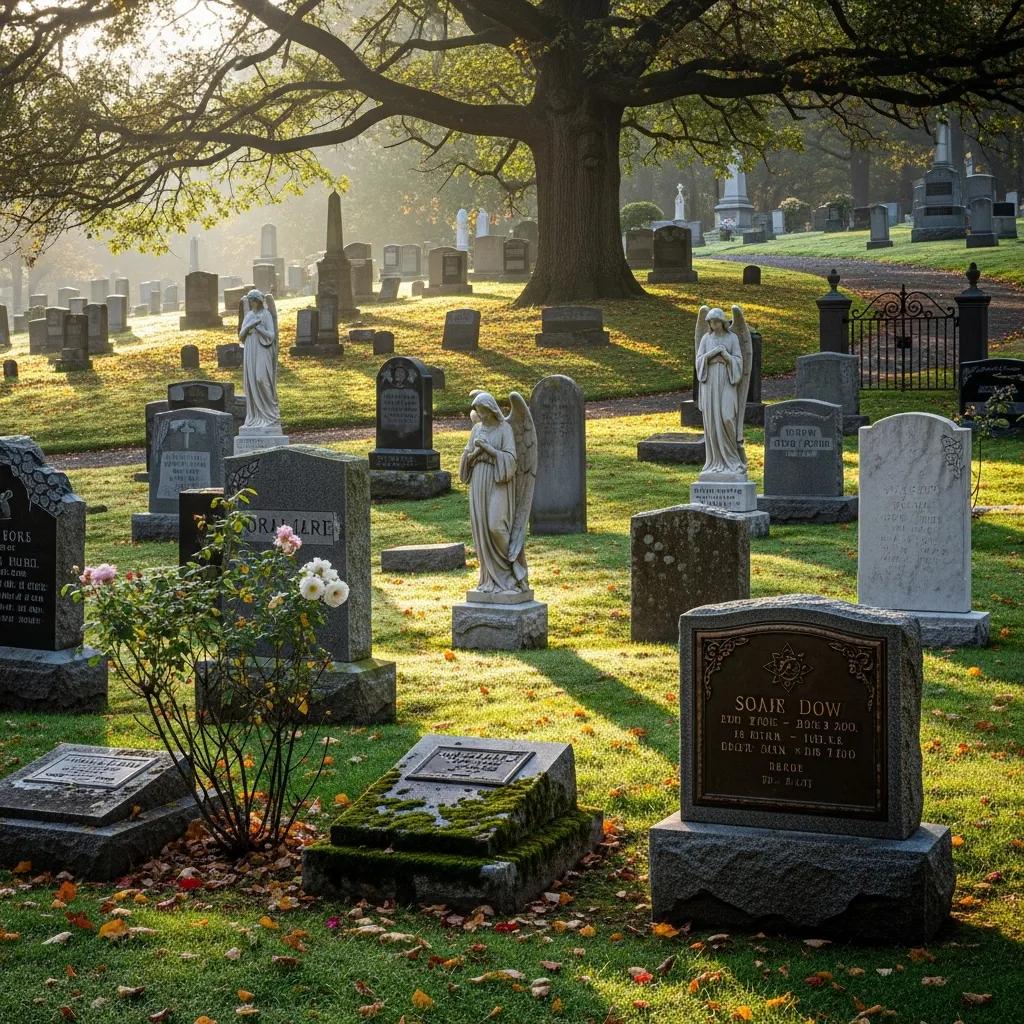
Climate and weather shape the condition of headstones over time. Rain, freeze-thaw cycles, windblown grit, sun, and salt all take a toll—fading inscriptions, creating cracks, or changing finishes. This guide explains how common climate factors affect different materials, what makes granite and bronze resilient, and which simple maintenance steps help preserve these memorials. Our aim is to give clear, practical advice so memorials remain a respectful, lasting tribute.
How Does Weather Impact Headstone Durability and Appearance?
Weather is one of the biggest influences on a memorial’s lifespan and look. Temperature swings, moisture, and airborne pollutants can change a stone’s surface or corrode metal, sometimes causing visible and irreversible damage. Knowing what to watch for helps you choose the right material and maintenance plan.
What Are the Common Climate Factors Affecting Gravestones?
Several weather-related factors commonly affect gravestones:
- Temperature Variations : Repeated heating and cooling make materials expand and contract, which can open hairline cracks and weaken joints.
- Precipitation Types : Rain, sleet, snow, and ice wear surfaces and can carry pollutants that accelerate chemical weathering.
- Wind Effects : Wind can transport sand, grit, and salts that abrade and gradually dull softer stones.
Recognizing these stressors helps you select materials and upkeep routines that match local conditions.
Research shows that repeated and uneven thermal loading can meaningfully reduce the structural strength of stone elements exposed to the sun.
Thermal Heating & Marble Deterioration on Building Exteriors
Observations found the greatest bowing where panels received the most thermal heating—direct or reflected sunlight—while shaded areas showed little bowing. South- and west-facing panels, and those on higher floors, were most affected. Strength tests on 122 exposed panels showed an average loss of about 26% compared with untouched panels kept in controlled storage over the same period.
Freeze-Thaw: ON-SITE AND LABORATORY STUDIES OF STRENGTH LOSS IN MARBLE ON BUILDING EXTERIORS, 2006
How Do Freeze-Thaw Cycles Cause Damage to Memorial Stones?

Freeze-thaw cycles are especially harmful where temperatures swing above and below freezing. Water that soaks into pores and small fissures freezes, expands, and forces the stone to crack or spall—often revealing damage that was previously invisible.
- Mechanism of Freeze-Thaw Cycles : When water freezes it expands, putting pressure on surrounding material and widening existing flaws.
- Materials Most Affected : Softer stones like limestone and sandstone absorb more water and are therefore more vulnerable than dense stones such as granite.
- Preventative Measures : Applying breathable sealants and ensuring good drainage reduce water entry. Avoid non-breathable coatings that trap moisture inside the stone.
Additional studies detail how the mix of thermal exposure and moisture controls which freeze-thaw mechanisms occur in stone.
Freeze-Thaw Weathering: Mechanisms & Stone Deterioration
Freeze-thaw behavior is not a single process but a suite of mechanisms driven by how moisture and temperature interact with a material’s properties. Without reliable moisture data, you must rely on adequate thermal records to validate specific mechanisms or to infer whether freeze-thaw weathering took place.
Freeze-Thaw: MONITORING OF THERMAL CONDITIONS IN BUILDING STONE WITH PARTICULAR REFERENCE TO FREEZE-THAW EVENTS, K Hall, 2006
Understanding these mechanics lets caretakers and families take targeted steps—like improving drainage or using appropriate sealants—to reduce the risk of freeze-thaw damage.
What Makes Granite Memorials Highly Durable Against Climate Effects?
Granite is one of the most common choices for headstones because it combines strength with low water absorption. Those geological qualities translate into long-term resistance to many weathering processes.
How Does Granite’s Hardness and Low Porosity Resist Weathering?
Granite’s structure gives it real advantages for outdoor memorials.
- Hardness of Granite : As a hard natural stone, granite resists scratches, chipping, and surface wear better than softer options.
- Porosity Levels : Low porosity means granite soaks up very little water, cutting down the chance of freeze-thaw damage or deep staining.
- Impact on Durability : Together, these traits help granite retain inscriptions and shape for many decades, even in challenging climates.
Those qualities make granite a strong choice for families who want a low-maintenance, long-lasting memorial.
How Does Granite Withstand Acid Rain and UV Radiation?
Granite’s mineral mix also helps it resist chemical and sunlight-driven changes.
- Chemical Composition of Granite : Granite is largely quartz, feldspar, and mica—minerals that are comparatively resistant to chemical weathering.
- Effects of Acid Rain : Granite fares better than marble or limestone in acidic conditions, though very aggressive acid exposure can slowly affect the surface over long periods.
- UV Resistance : Granite’s minerals generally hold color well, so fading and discoloration from sunlight are less pronounced than in some other materials.
The wider issue of acid precipitation highlights how air pollution can accelerate damage to historic stones and monuments.
Acid Rain Impact on Historic Buildings & Monuments
When polluted air combines with rain, snow, or fog it creates acidic precipitation. This acid has affected lakes, trees, and fish in parts of North America, and it has raised concerns about its effect on historic buildings and outdoor monuments.
Acid Rain and Our Nation’s Capital, 2018
For most settings, granite offers a balance of durability and appearance that makes it well-suited to resist common environmental stresses.
How Bronze Ages and Resists Weather Damage Over Time
Bronze markers bring a distinctive look and excellent longevity, but they change appearance as they weather. That natural aging can protect the metal, provided caretakers follow simple upkeep steps.
What Is the Role of Patina in Protecting Bronze Grave Markers?
Patina is the thin surface layer that forms on bronze and serves both a visual and protective role.
- Formation of Patina : The patina develops by chemical reaction with the atmosphere, often producing greenish or brown tones depending on conditions.
- Benefits for Longevity : A stable patina slows further corrosion by shielding the underlying metal from the elements.
- Maintenance Practices : Gentle cleaning preserves the patina; avoid aggressive polishing or abrasive methods that remove this protective layer.
Knowing how patina works helps families and caretakers balance appearance with long-term protection.
How Should Bronze Memorials Be Maintained for Longevity?

Simple, regular care keeps bronze markers looking their best while preserving the protective patina.
- Cleaning Methods : Use a soft cloth and mild soap. Rinse thoroughly and avoid harsh solvents that can harm the surface.
- Protective Treatments : Applying a museum-grade clear wax or a recommended protective coating can add a barrier against moisture and pollutants.
- Seasonal Care : Inspect bronze markers after storms and seasonal transitions so small issues don’t become long-term problems.
With modest, mindful maintenance, bronze memorials remain both beautiful and durable for generations.
How Can You Protect and Maintain Headstones Against Climate Damage?
Protecting a headstone starts with a simple, proactive maintenance plan tailored to the local climate and the material used.
What Are Effective Seasonal Maintenance Tips for Granite and Bronze Memorials?
Seasonal attention keeps small problems from growing. Try these practical tips:
- Spring Cleaning : Clear leaves and debris, then wash gently to prevent mold and mildew buildup.
- Summer Protection : Consider breathable sealants for granite to limit staining—never use coatings that trap moisture.
- Winter Preparation : Improve site drainage and remove pooled water to reduce freeze-thaw risk.
Sticking to a seasonal routine extends a memorial’s lifespan and preserves its appearance.
How Do Cleaning and Protective Treatments Prevent Weathering?
Regular cleaning and the right protective treatments reduce surface wear, slow chemical attack, and make inspections more effective at catching early issues.
- Types of Cleaning Products : Choose non-abrasive, pH-neutral cleaners made for stone and metal—avoid bleach and strong acids.
- Frequency of Maintenance : Inspect and clean at least once or twice a year; increase frequency if local conditions are severe.
- Long-term Benefits : Routine care prevents costly repairs and helps inscriptions remain legible for longer.
Prioritizing gentle cleaning and appropriate protective steps gives the best long-term return for memorial care.
Which Headstone Materials Are Best Suited for Different Climate Zones?
Matching material to climate is one of the smartest choices you can make when selecting a memorial.
- Cold Climates : Granite is usually best because its low porosity resists water penetration and freeze-thaw damage.
- Humid Climates : Bronze performs well in humid conditions thanks to its protective patina; granite also remains a solid option.
- Coastal Climates : Granite or bronze with proper protective treatments handle salt exposure better. Marble and limestone are prone to salt and moisture damage and are less recommended.
Choosing a material that suits local weather significantly reduces long-term maintenance and repair needs.
| Material Type | Climate Suitability | Key Benefits |
|---|---|---|
| Granite | Cold, Humid, Coastal | Low porosity, high durability, resists weathering |
| Bronze | Humid, Coastal | Develops protective patina; corrosion-resistant with proper care |
| Marble | Mild, Dry | Elegant finish and detail; less durable in harsh, wet, or salty environments |
This overview helps you weigh pros and cons when selecting a memorial material for specific environmental conditions.
| Maintenance Task | Frequency | Recommended Action |
|---|---|---|
| Cleaning | Biannual | Use mild soap and water or stone/metal-safe cleaners |
| Sealing | Annually or as needed | Apply a breathable protective sealant to stone surfaces when appropriate |
| Inspection | Seasonal | Check for cracks, loose parts, staining, or biological growth |
Following these basic tasks keeps headstones in good condition and makes it easier to address problems early.
With the right material choices and consistent care, headstones can preserve names and memories for decades. Small, regular investments in maintenance protect more than stone and metal—they preserve the dignity of the memorial.
Frequently Asked Questions
What are the signs of weather damage on headstones?
Look for hairline cracks, chips, or flaking (spalling)—these often point to freeze-thaw damage or physical wear. Discoloration, stains, or faded lettering can come from pollution, sun, or biological growth. Moss, lichen, or mold indicate persistent moisture and should be removed carefully during cleaning.
How can I choose the right headstone material for my region?
Base your choice on local climate: granite is a reliable all-around option, especially where freezing occurs; bronze is a strong choice in humid or coastal areas when properly cared for. Avoid softer stones like marble and limestone in salty or wet settings where they weather faster.
What maintenance practices are recommended for headstones in extreme weather?
In hot, dry regions, protect stone from staining and consider shade when possible. In cold climates, focus on drainage to limit standing water before freezes. Coastal sites call for more frequent inspections and protective coatings on metal. Across all extremes, regular gentle cleaning and seasonal inspections are key.
How does pollution affect the longevity of headstones?
Pollution, particularly acidic compounds in the air, can speed chemical weathering—acid rain can etch and soften stones like marble or limestone faster than granite. Regular cleaning and choosing more resistant materials help mitigate pollution effects.
Are there specific cleaning products I should avoid for headstones?
Don’t use bleach, strong acids, alkalis, or abrasive powders that can erode stone or strip metal patina. Stick to pH-neutral, non-abrasive cleaners made for masonry or metals and use soft brushes or cloths to protect surfaces.
What role does seasonal weather play in headstone maintenance?
Each season brings its own risks: spring moisture can encourage biological growth; summer heat can expand materials; fall debris can trap water; winter freeze-thaw cycles can worsen cracks. Seasonal cleaning and inspections reduce the chance of serious, long-term damage.
Conclusion
Weather affects every memorial, but thoughtful choices and steady care keep headstones meaningful and enduring. Selecting durable materials like granite or well-maintained bronze, scheduling seasonal inspections, and using gentle cleaning and breathable protections will preserve both appearance and structure. For more tips and resources on caring for memorials, explore our guides or contact a local professional for specialized advice.


 0% Instalment Plans - Up to 12M - Call For Details!
 Free shipping