
Choosing the Right Memorial Style

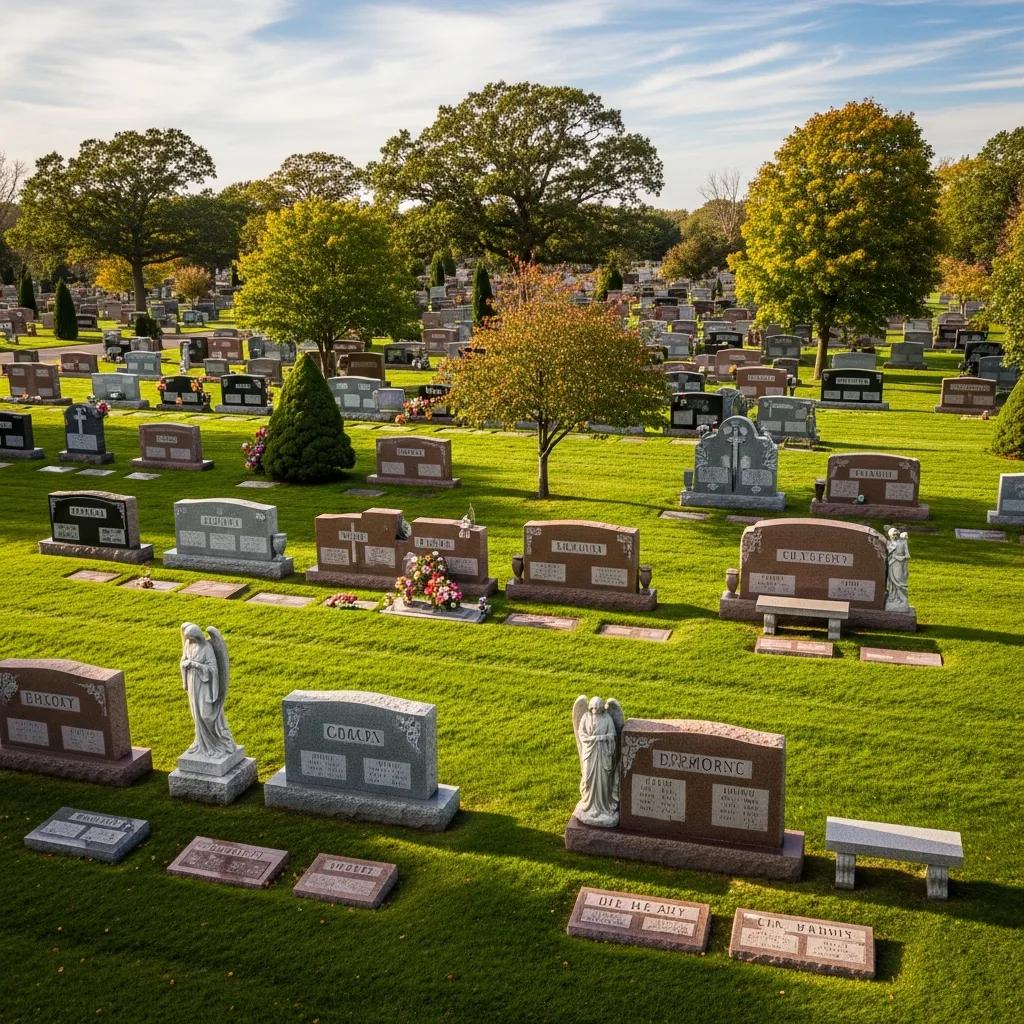
Choosing the Right Memorial Style: Headstone Styles Explained and Memorial Design Options
Choosing a
memorial style
is a personal decision that says something meaningful about the life it honors. This guide walks you through common options and practical considerations so you can choose a memorial that fits your family’s wishes and the cemetery’s rules. We cover the main types of markers and headstones, customization choices, material differences, and the regulations you should know — all in clear, straightforward language to make the process easier.
What Are the Different Types of Grave Markers and Headstone Styles?
Before you decide, it helps to know the
most common memorial styles and marker types
and what each one communicates. Every style has its own look, upkeep needs, and customization possibilities. Below are the choices families see most often:
- Flat Granite Markers
: Set level with the ground, these markers offer a clean, low-profile look. They’re easy to maintain and tend to be a cost-conscious choice without sacrificing dignity. - Upright Headstones
: Traditional and visible, upright stones stand vertically and can be carved or engraved with detailed designs, dates, and inscriptions—often becoming a prominent point of remembrance. - Slant Markers
: With a front face set at an angle, slant markers improve readability and create a noticeable, refined presence in the landscape. - Bevel Markers
: Lower to the ground than a slant, bevel markers have a gentle slope and offer a subtle, understated appearance. - Companion Memorials
: Built to honor two people, these can be side-by-side or share a single base and design elements that reflect a shared life.
Knowing these styles helps you match appearance, maintenance, and budget with what feels right for your loved one.
How Do Flat Granite Markers Offer Simplicity and Elegance?
Flat granite markers are prized for their simplicity and durability. Because they sit flush with the lawn, they create an uncluttered look and are easy for groundskeepers to maintain. You can personalize them with inscriptions, symbols, or a small photo—so they remain both practical and personal. For many families, flat markers strike a balance between meaning and affordability.
What Are the Features of Upright Headstones and Their Traditional Appeal?
Upright headstones carry a classic, formal presence. They can be crafted from granite or bronze and accept a wide range of engraving, carving, and finishing options. Their height and visibility make them a lasting focal point in a cemetery. Families often choose uprights when they want a prominent, highly personalized memorial that stands the test of time.
How Do Slant and Bevel Markers Enhance Readability and Presence?
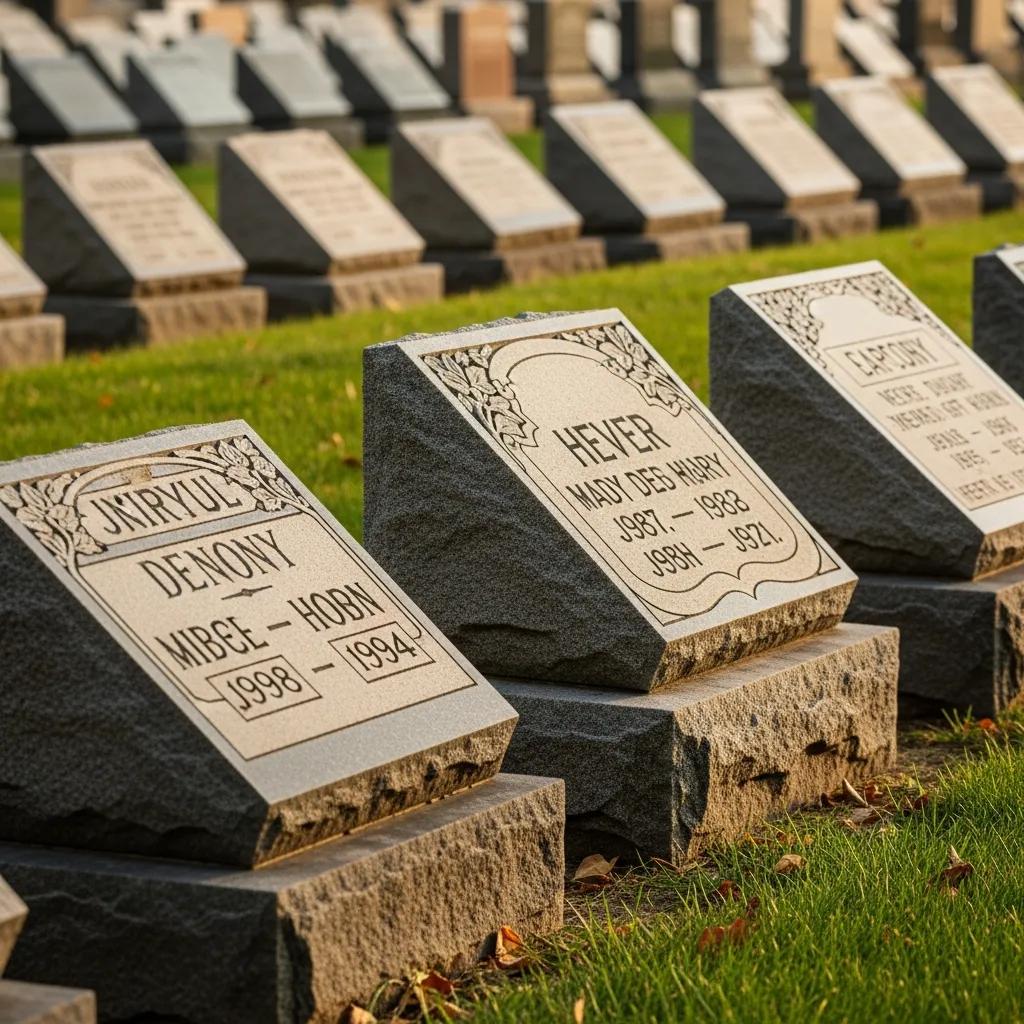
Slant and bevel markers are shaped to improve legibility and to present a respectful, composed look on the lawn. Their forms make names and dates easier to read while keeping a tidy footprint in the cemetery.
What Are the Key Differences Between Slant and Bevel Markers?
Slant markers tilt forward more noticeably, lifting the inscription into view. Bevel markers use a smaller slope and sit closer to the ground. Both can be engraved or etched, but slants typically give a stronger visual presence while bevels stay more modest and economical.
| Marker Type | Design | Visibility | Cost |
|---|---|---|---|
| Slant Marker | Angled face | High | Moderate |
| Bevel Marker | Gentle slope | Moderate | Lower |
This quick comparison can help you weigh how prominently you want the memorial to read against budget and upkeep considerations.
How Do Companion Memorials Honor Two Lives with Shared Symbolism?
Companion memorials are designed to reflect two lives and the connection between them. They can be separate stones placed together, or a single piece with two inscriptions. Shared motifs, joint dates, and coordinating artwork make these memorials a meaningful tribute to couples or family members who wished to be remembered together.
What Customization Options Are Available for Personalizing Memorials?
Personal touches let a memorial tell a story. Common customization choices include:
- Etching and Engraving
: Precise lettering, images, and artwork carved or etched into the surface for permanence and detail. - Ceramic Photos
: Durable portrait tiles that can be applied to the marker to preserve a likeness in a weather-resistant way. - Symbolic Imagery
: Religious symbols, hobbies, emblems, or nature motifs that reflect what mattered most to the person you’re honoring.
Thoughtful customization ensures the memorial feels personal and meaningful to family and visitors.
How Do Etching, Engraving, and Ceramic Photos Enhance Memorial Design?
Etching and engraving offer long-lasting detail—whether for script, dates, or decorative elements. Ceramic photos provide a visual connection for visitors and are designed to withstand outdoor conditions. Together, these options let you capture personality and memory while keeping the memorial durable.
Note: personalized features like photoceramic portraits have sometimes been treated differently by cemeteries and communities over time.
Photoceramic Gravestone Portraits: Customization, Identity & Cemetery Rules
Historical research shows that cemetery managers have at times discouraged or banned highly individualized monuments, including photoceramic portraits. Despite that, some communities — notably Italian Catholics and Eastern European Jews — continued to use these portraits as a way to express cultural and religious identity. The paper examines how these choices reflected group identity and negotiation with mainstream norms.
Facing Death: Photoceramic Gravestone Portraits and Immigrant Religious Identity, 1880–1960, 1960
What Symbolic Imagery and Epitaphs Can Be Incorporated?
Symbols and epitaphs let you say more than a name and dates. Families often select religious icons, flowers, animals, or items tied to a hobby or career. Short inscriptions—poems, scripture, or personal lines—add a voice to the stone and help visitors remember what mattered to the person you honor.
The styles of decoration and lettering used on gravestones have long been a subject of study for their artistic and cultural meaning.
Gravestone Decorations, Lettering & Design Styles
People who study older gravestones often focus on carved decorations because they reveal artistic choices and personal expression. Decorative motifs can vary widely, and carvers may change styles over their careers. Lettering, however, can provide a more consistent clue to identify individual carvers or traditions across time.
By their characters you shall know them: Using styles of lettering to identify gravestone carvers, 2000
How Do Memorial Materials Affect Durability and Appearance?
Material choice affects how a memorial looks over the years and how much care it needs. Granite and bronze are the most common options, each with clear strengths.
What Are the Benefits of Granite Compared to Bronze?
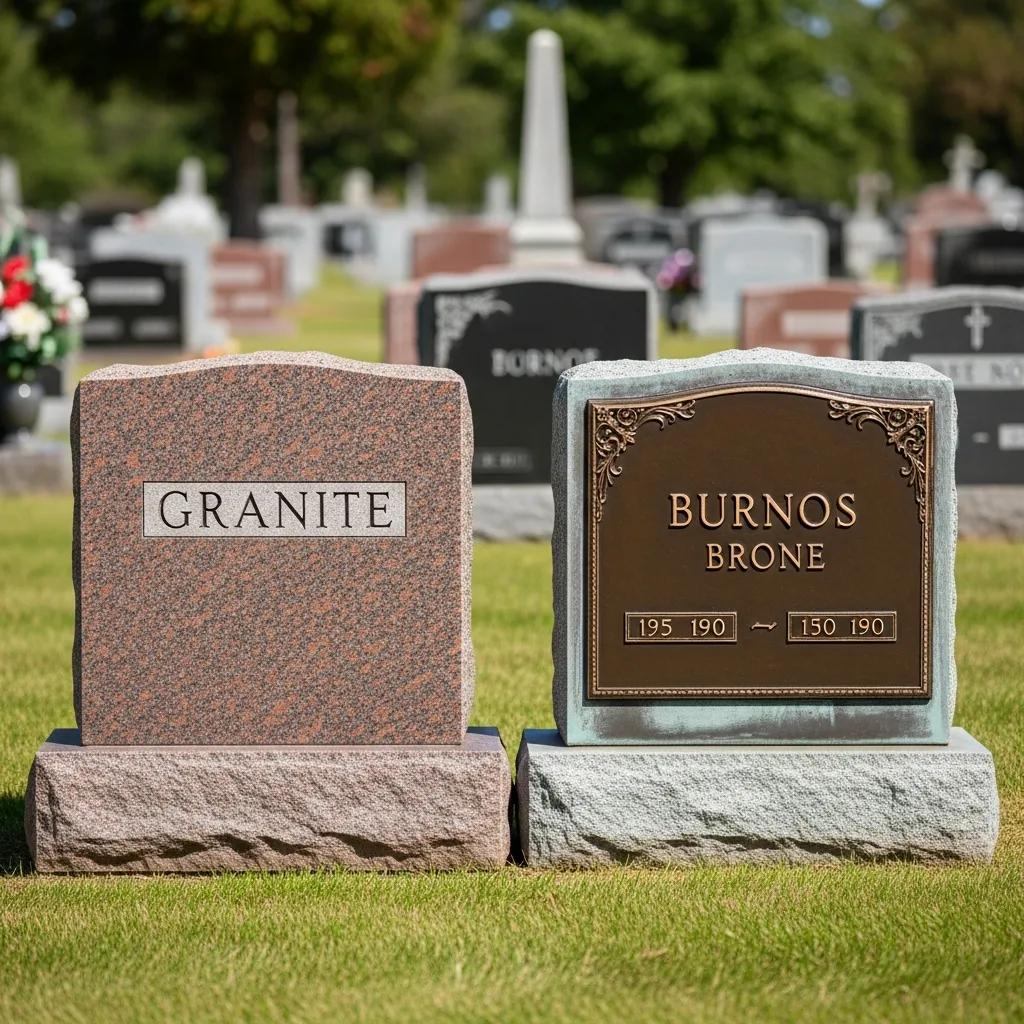
Granite is extremely durable, weathers well, and comes in many colors and finishes—making it versatile and low-maintenance. Bronze offers a timeless, classic look and develops a natural patina that some families value. Both materials are long-lasting; granite generally needs less regular cleaning, while bronze can require occasional care to preserve its finish.
| Material | Durability | Maintenance | Aesthetic Appeal |
|---|---|---|---|
| Granite | High | Low | Versatile |
| Bronze | High | Moderate | Classic |
Use this overview to match appearance and upkeep with how you expect the memorial to age over time.
How Do Material Choices Impact Maintenance and Longevity?
The right material reduces long-term effort. Granite resists most weathering and needs little routine care beyond occasional cleaning. Bronze is sturdy but may show patina and benefit from periodic treatment to maintain its original sheen. Think about how much maintenance you want to commit to and how the marker will look over decades.
What Are the Important Cemetery Monument Regulations to Consider?
Cemetery rules vary widely and can limit size, material, or style in specific sections. Checking regulations early prevents surprises and ensures your chosen memorial can be installed as planned.
Most cemeteries have documented rules that outline what kinds of markers are allowed and where.
Cemetery Rules & Regulations for Grave Markers
Many cemetery systems publish rules and regulations to manage safety, appearance, and maintenance across their grounds. These documents typically describe permitted marker sizes, materials, and installation procedures for specific lots and sections.
Rules and Regulations
How Do Size, Material, and Style Restrictions Affect Memorial Selection?
Some sections allow only flat markers; others permit uprights or larger monuments. Material rules may exclude certain metals or finishes. Before you finalize a design, confirm the cemetery’s dimensional limits and material requirements so your choice will meet their standards.
What Are Best Practices for Working with Cemetery Authorities?
Talk with cemetery staff early and bring any proposed designs or measurements. Ask about permits, foundation requirements, and preferred installers. Clear communication and documentation help the process move smoothly and avoid delays at installation time.
Frequently Asked Questions
What should I consider when choosing a memorial style?
Think about the personality of the person you’re honoring, your budget, and the cemetery’s rules. Also weigh maintenance needs and how visible you want the memorial to be. A short list of priorities will make decisions easier.
Are there specific regulations for memorials in different cemeteries?
Yes. Rules vary by cemetery and even by section within a cemetery. Check with the cemetery office for their current guidelines before ordering or designing a marker.
How can I ensure my memorial is unique and personal?
Work with a designer or memorial specialist to add engravings, imagery, or a ceramic photo that reflect the person’s life. Thoughtful symbols and a meaningful inscription create a distinctive tribute while staying within cemetery rules.
What are the common materials used for memorials, and how do they differ?
Granite and bronze are common. Granite is very durable and low-maintenance; bronze has a classic look and can develop a patina. The choice depends on desired appearance, upkeep, and budget.
What are the benefits of using symbolic imagery in memorials?
Symbols communicate beliefs, hobbies, or values at a glance. They help visitors connect emotionally and bring additional meaning to names and dates on the stone.
How can I effectively communicate with cemetery authorities about memorial regulations?
Ask specific questions about size limits, material restrictions, foundation needs, and any paperwork required for installation. Request their written guidelines and confirm whether the cemetery has preferred or approved installers.
Conclusion
Choosing the right memorial style is a meaningful step in honoring someone’s life. By understanding styles, personalization options, material differences, and cemetery rules, you can make a thoughtful, practical choice that fits your family’s wishes. If you’d like help, our team is ready to answer questions and guide you from design to installation. Begin when you’re ready — we’ll support you through every step.


 0% Instalment Plans - Up to 12M - Call For Details!
 Free shipping