
Choosing a Headstone for Cremation

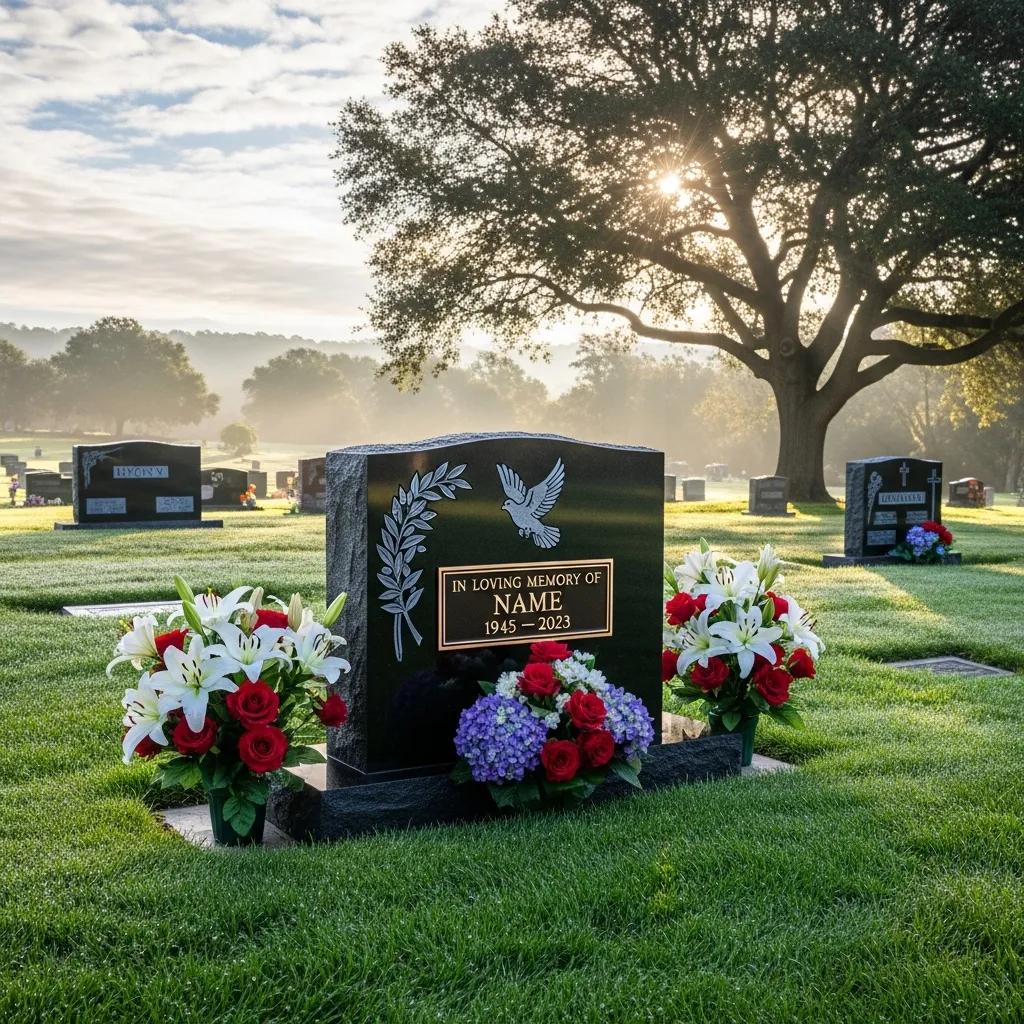
Choosing a Headstone for Cremation: A Practical Guide to Memorial Stones and Personalization
Choosing a headstone for a cremation memorial is a meaningful step in remembering someone you love. This guide walks you through the types of markers, material choices, personalization options, common cemetery rules, and budgeting tips so you can make clear, confident decisions. Read at your own pace—our goal is to give practical information and thoughtful guidance during a difficult time.
What Are the Best Types of Cremation Grave Markers?
When you’re deciding on a cremation marker, think about style, durability, and how the memorial will reflect the person it honors. Different styles work better for different settings and personal tastes.
Which styles of headstones suit cremated remains best?
Cremation grave markers are available in several common styles, each with its own look and purpose:
- Flat Granite Markers: Low to the ground and understated, these flush markers are a classic, low-maintenance choice.
- Upright Headstones: Traditional vertical stones that offer more space for inscriptions, artwork, and personalization.
- Companion Memorials: Designed for two or more names, these are often chosen by couples or family members who want a shared tribute.
- Bench Memorials: Functional and inviting, benches provide a place to sit and reflect and can be engraved with names or messages.
Each option provides a lasting marker and contributes to the overall look and feel of the cemetery.
How do companion and bench memorials honor multiple loved ones?
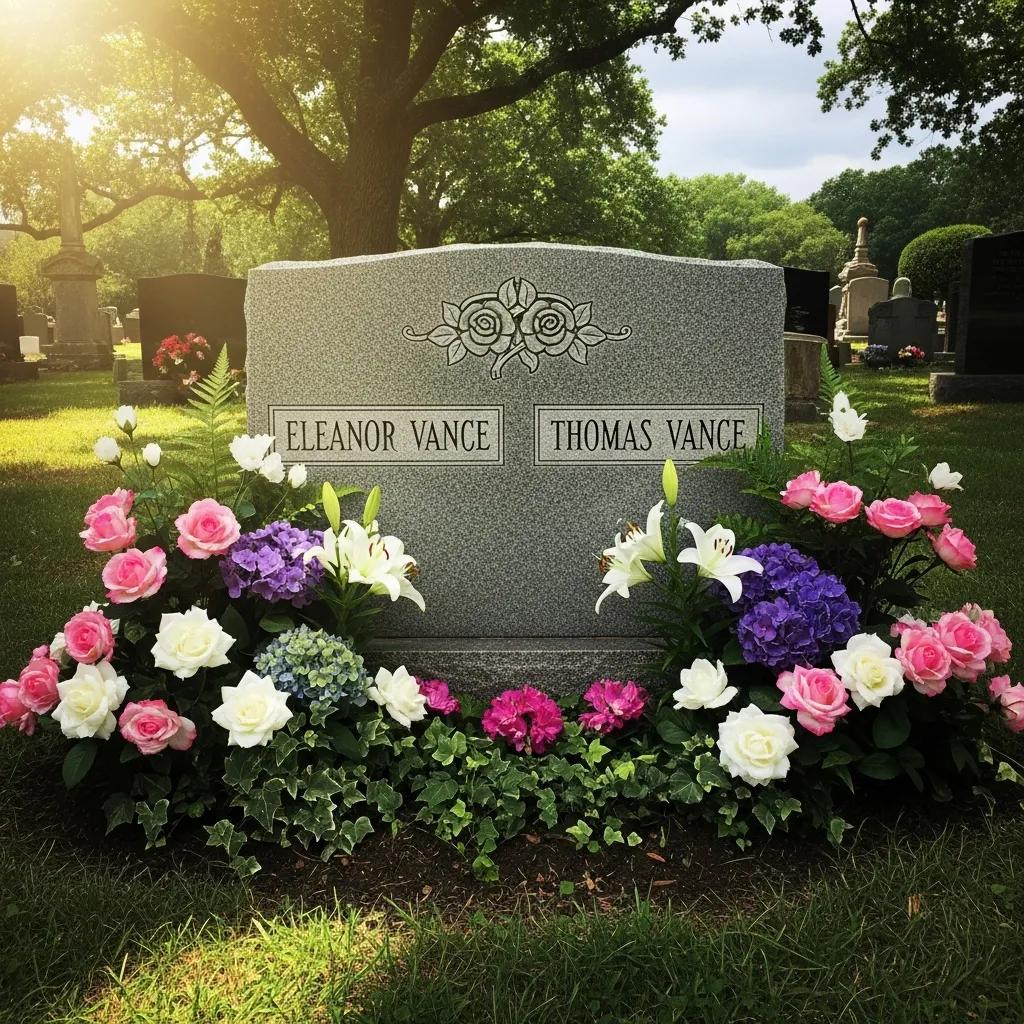
Companion and bench memorials bring people together—symbolically and physically. They help families keep shared stories and memories close.
- Family Connections: These memorials reflect relationships and let loved ones be remembered side by side.
- Space Considerations: Companion markers can be a space-efficient option when plots are limited.
- Design Options: You can personalize them with shared symbols, inscriptions, or designs that reflect the lives they honor.
Used thoughtfully, these choices create a meaningful focal point for family visits and remembrance.
How Do You Choose the Right Material for Cremation Headstones?
Material affects how a headstone looks over time, how much upkeep it needs, and the final cost. Here are the most common materials and what to expect from each.
What are the benefits of granite, bronze, and marble for cremation markers?
Each material offers distinct strengths:
- Granite: Extremely durable and weather-resistant. It comes in many colors and finishes, and it holds engravings cleanly for decades.
- Bronze: Often used for plaques mounted on stone bases. Bronze has a traditional look, resists corrosion, and can be detailed with fine lettering or relief work.
- Marble: Elegant and classic in appearance, but softer and more prone to weathering than granite—expect more maintenance over time.
How does material choice affect durability and cost?
- Long-term Investment: Granite’s durability usually makes it the best value over the long term.
- Maintenance Costs: Marble may need sealing and more regular care; bronze can develop a natural patina but requires less work.
- Initial Pricing: Bronze plaques can be cost-effective, though mounting and bases can raise the final price.
Balance the look you want with how much maintenance and expense you’re comfortable with.
How Can You Personalize a Cremation Memorial?
Personalization makes a memorial uniquely meaningful. You can choose text, imagery, and design elements that capture a person’s life and values.
What engraving and design options are available for cremation headstones?
Common personalization choices include:
- Text Engravings: Names, dates, quotes, or short messages that honor the deceased.
- Symbolic Designs: Religious symbols, flowers, hobbies, or motifs that reflect beliefs and passions.
- Custom Artwork: Special imagery or designs created to represent a personality or life story.
These options help ensure the memorial feels personal and true to the person you remember.
How do ceramic photos and etched portraits enhance memorials?
Adding a photo or etched portrait provides a visual connection that many families value.
- Visual Representation: Portraits let visitors see a likeness, which can make visits feel more personal.
- Memorial Significance: Images often trigger memories and emotions, deepening the sense of presence.
- Customization Options: Ceramic photos and etchings come in different finishes and styles to match the overall design.
These features can turn a simple marker into a vivid, lasting tribute.
Keep in mind that cemetery rules and cultural practices have changed over time; today’s acceptance of ceramic photos varies by location and cemetery policy.
Photoceramic Gravestone Portraits & Cemetery Rules
Historically, cemetery managers often discouraged or banned photoceramic portraits on graves. Despite those restrictions, some immigrant communities—such as Italian Catholics and Eastern European Jews—continued to use photoceramics as a meaningful way to remember their dead.
Facing Death: Photoceramic Gravestone Portraits and Immigrant Religious Identity, 1880–1960, 1960
What Are Common Cemetery Regulations for Cremation Headstones?
Each cemetery sets its own rules. Before you finalize a design, check local regulations so your headstone meets size, material, and placement requirements.
What size and material restrictions should families consider?
Typical rules to watch for include:
- Local Regulations: Maximum dimensions and allowable styles vary by cemetery—always confirm the exact limits.
- Common Restrictions: Some sites permit only certain materials (for example, granite or bronze) and may prohibit others.
- Compliance Tips: Contact cemetery management early in the process so your chosen marker fits their rules and avoids delays.
How do installation requirements impact headstone selection?
Installation rules can affect price and timeline:
- Installation Processes: Some cemeteries require licensed installers or specific foundations, which can add to cost.
- Site Preparation: Ask whether the cemetery handles site prep or if you’ll need to arrange it.
- Professional Help: Working with an experienced memorial provider ensures the stone is set correctly and compliant with regulations.
Knowing these details ahead of time helps the project go smoothly.
What Is the Cost of Cremation Headstones and How Can You Budget?
Costs vary widely depending on material, size, personalization, and installation. Knowing the main price drivers helps you budget realistically.
What factors influence the price of cremation grave markers?
Key cost factors include:
- Material Choice: Granite, bronze, and marble each carry different price points.
- Customization: More engraving, artwork, or photos increases the final cost.
- Market Trends: Regional labor and material availability can affect pricing.
Compare estimates and ask for itemized quotes so you understand where costs come from.
What payment plans and discounts does Capital Grave Markers offer?
Capital Grave Markers offers flexible options to help families manage costs during a difficult time.
- Flexible Payment Plans: We provide financing choices so payments can be spread over time.
- Discounts for Veterans: Special pricing or discounts may be available to honor veterans and their families.
- Promotional Offers: From time to time we run promotions that lower overall costs.
How Do You Order a Custom Cremation Headstone from Capital Grave Markers?
Ordering a custom cremation headstone is a guided process—we’ll work with you from concept to installation so the result matches your vision.
What are the four simple steps to design and purchase a cremation headstone?
Our ordering process typically follows four clear steps:
- Consultation: Talk with a representative to share ideas, wishes, and any cemetery requirements.
- Design Creation: We create a custom design that reflects your input and the person you’re honoring.
- Approval: You review the design and request any changes before giving final approval.
- Production and Installation: After approval we produce the stone and arrange professional installation at the site.
These steps keep the process organized and reduce surprises.
How does the free 3D design preview and revision process work?
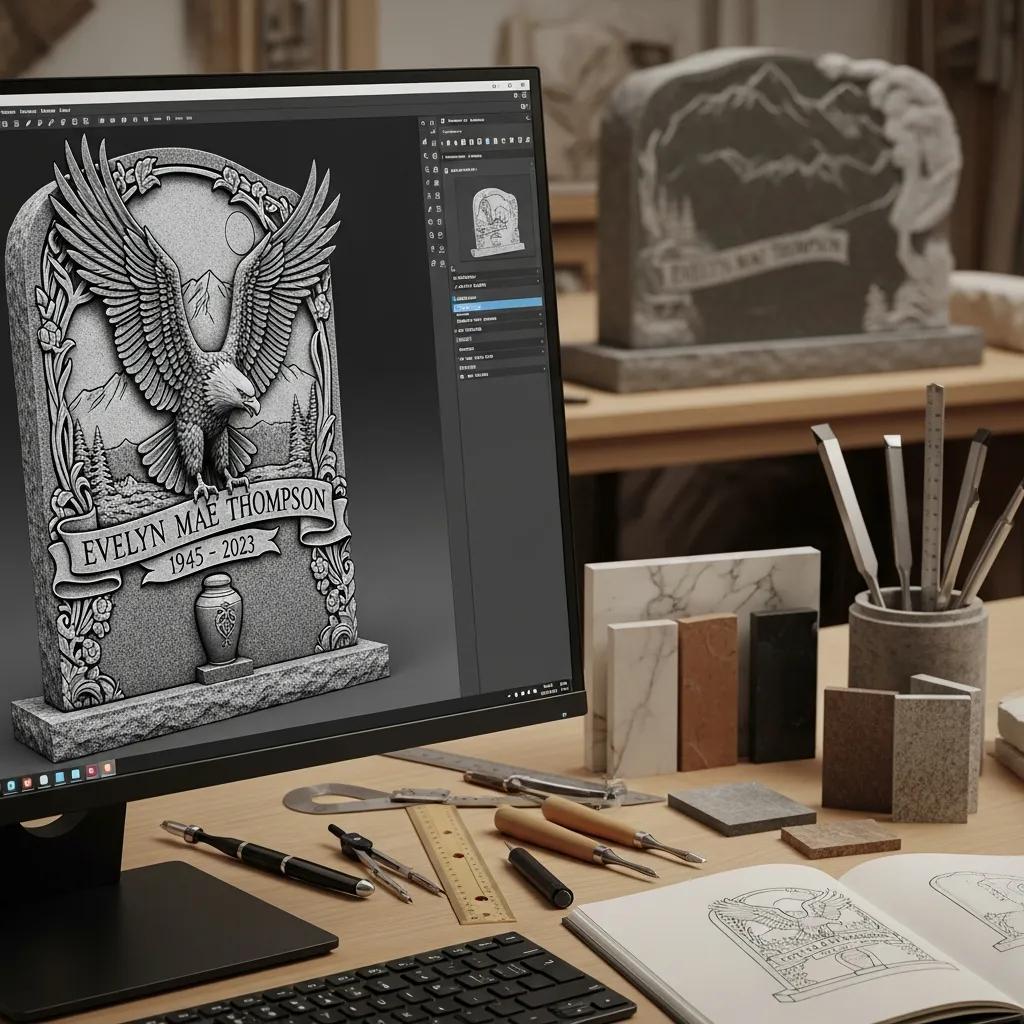
We provide a free 3D preview so you can see how the finished headstone will look before production begins.
- 3D Design Benefits: The preview gives a realistic view of proportions, finishes, and engraving placement.
- Revision Options: You can request adjustments until the design matches your expectations.
- User Experience: The process is straightforward and collaborative—our goal is to make design decisions easier for you.
Frequently Asked Questions
What should I consider when choosing a location for a cremation headstone?
Think about cemetery layout, the proximity to other family plots, and accessibility for visitors. Consider whether you want a quiet, private spot or somewhere more visible. Cemetery staff can advise on available locations and any placement rules.
Are there eco-friendly options for cremation headstones?
Yes. Eco-friendly choices include natural stones, sustainably sourced wood, or markers made from recycled materials. Some memorials incorporate living elements—like trees or plantings—to create a more natural, environmentally mindful tribute.
How can I ensure my chosen headstone complies with cemetery regulations?
Always check directly with cemetery management for size, material, and placement rules. Ask for a copy of their regulations and share them with your memorial provider so the chosen design meets requirements from the start.
What are the maintenance requirements for different types of cremation headstones?
Granite is low-maintenance—soap and water are usually enough. Bronze may need occasional polishing, and marble can require more frequent cleaning and sealing due to weathering. Your memorial provider can give specific care instructions for the material you choose.
Can I add additional features to a cremation headstone after installation?
In many cases, yes—additional engravings, decorative details, or photos can be added later. Always coordinate changes with the original provider or a professional stone mason to protect the stone’s integrity and ensure compliance with cemetery rules.
What are the common misconceptions about cremation headstones?
One misconception is that cremation markers are less meaningful than traditional burial headstones. In truth, they offer the same opportunity for personalization and remembrance. Another is that options are limited—today’s providers offer many customization choices to create a fitting tribute.
Conclusion
A well-chosen cremation headstone honors a life and provides a place for remembrance. By considering styles, materials, personalization, and cemetery rules, you can create a lasting tribute that feels right. If you’d like help, our team is here to guide you through every step—so you can focus on celebrating the person you love.



 0% Instalment Plans - Up to 12M - Call For Details!
 Free shipping
