

An Atlas of Last Words: How the World Writes Its Epitaphs

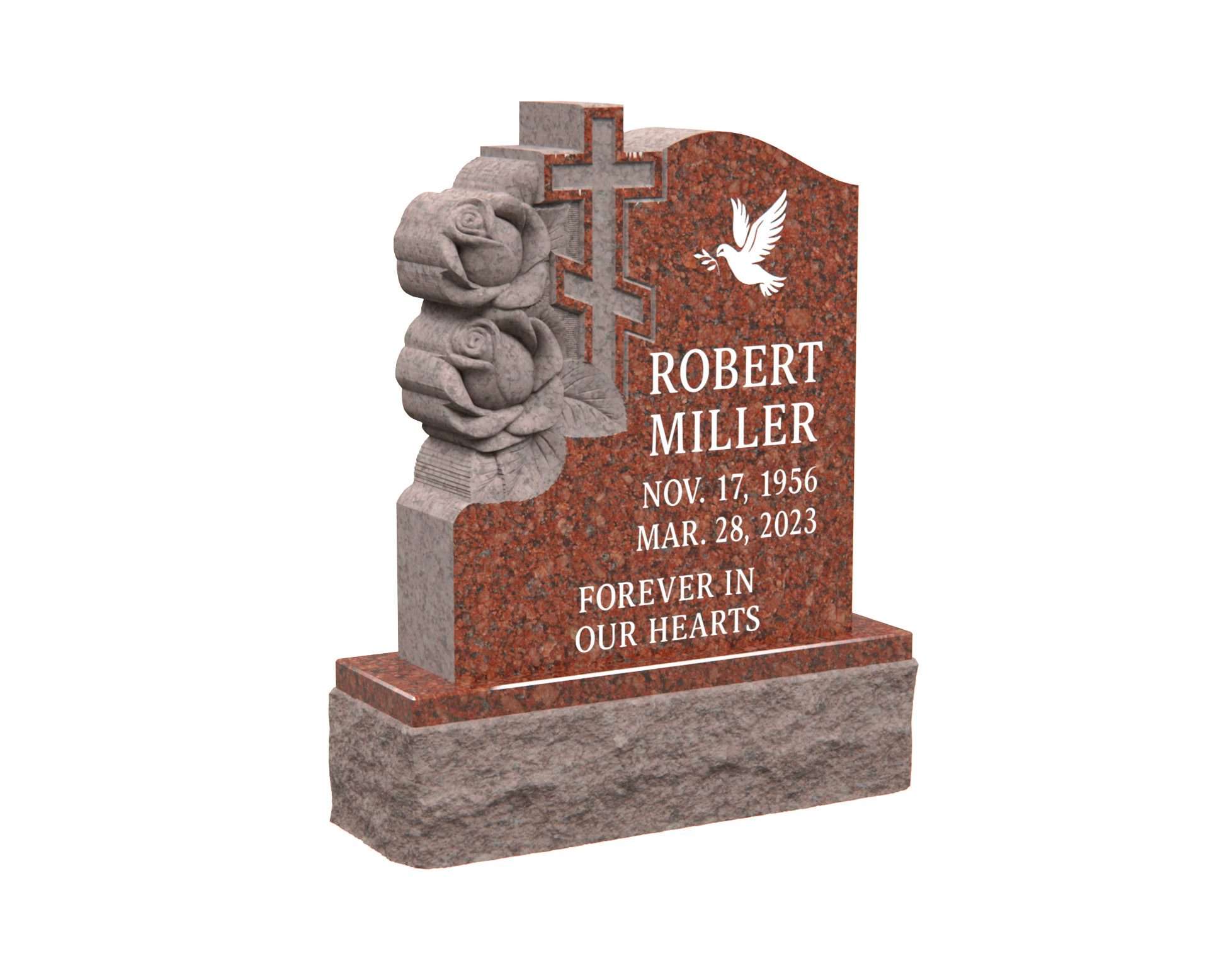
Turn the pages of any atlas and learn about the rivers and borders – go through the cemeteries of the world, learn about the differences in last words – profound, beautiful, and capable of saving a grieving American family facing a blank line in their epitaph. The tradition of inscribing the headstones is geographical. What should be written in a headstone inscription, to whom, in what tone and at what length – differs just as cuisines differ at borders. The study of different epitaph traditions is the best writing class a family can attend. Here is the atlas: regions’ traditions, every one showing how to speak on stone. Pack light. The country is vast, and every crossing of the border teaches.
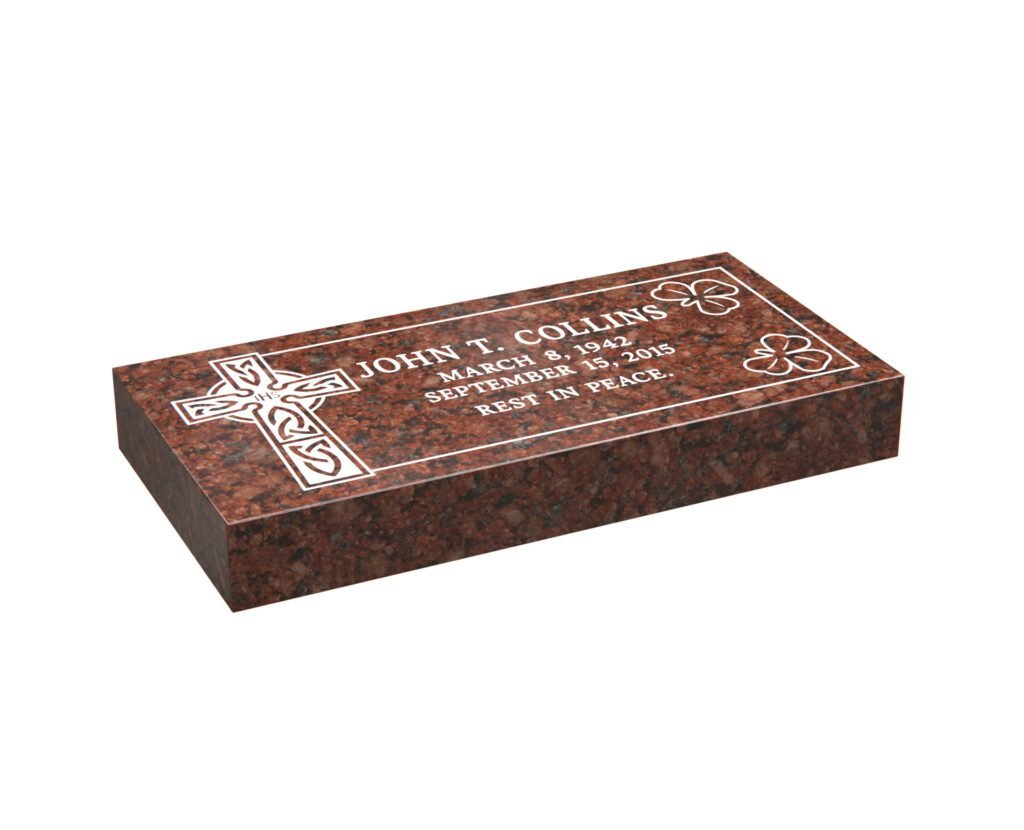
Ireland and other Celtic lands: the blessing that is directed to the outside. The voice of the Irish stone tradition often looks outward – the epitaph is a blessing or a request rather than a biographical statement. The classical inscriptions of the past asked for the prayers of the passerby for the soul beneath. The blessings wished the visitor well in the language the whole world borrowed for toasts. The atlas shows the main point: the stone is a conversation with strangers, always generous even in grief. What the tradition gives to your blank line: try to address the visitor. An epitaph that gives – a blessing, a welcome, an instruction to rest a while – transforms every reader into a guest. And guests come back.
Mexico and other Hispanic countries: the family speaks, and keeps on speaking. Enter the cemeteries where epitaphs speak from the family in the warm tone of a present tense – beloved father, your family does not forget you. The recuerdos of wife, children and grandchildren, often named by relations right on the stone. Combined with the tradition of visiting on Día de los Muertos, the inscription becomes a standing appointment. What it gives: the present tense. “We love you” will live much longer than “He was loved” on every stone it is tried on. To name the relationships – Mother, Abuelo, Sister – is to give a visitor a chance to remember their loved one.
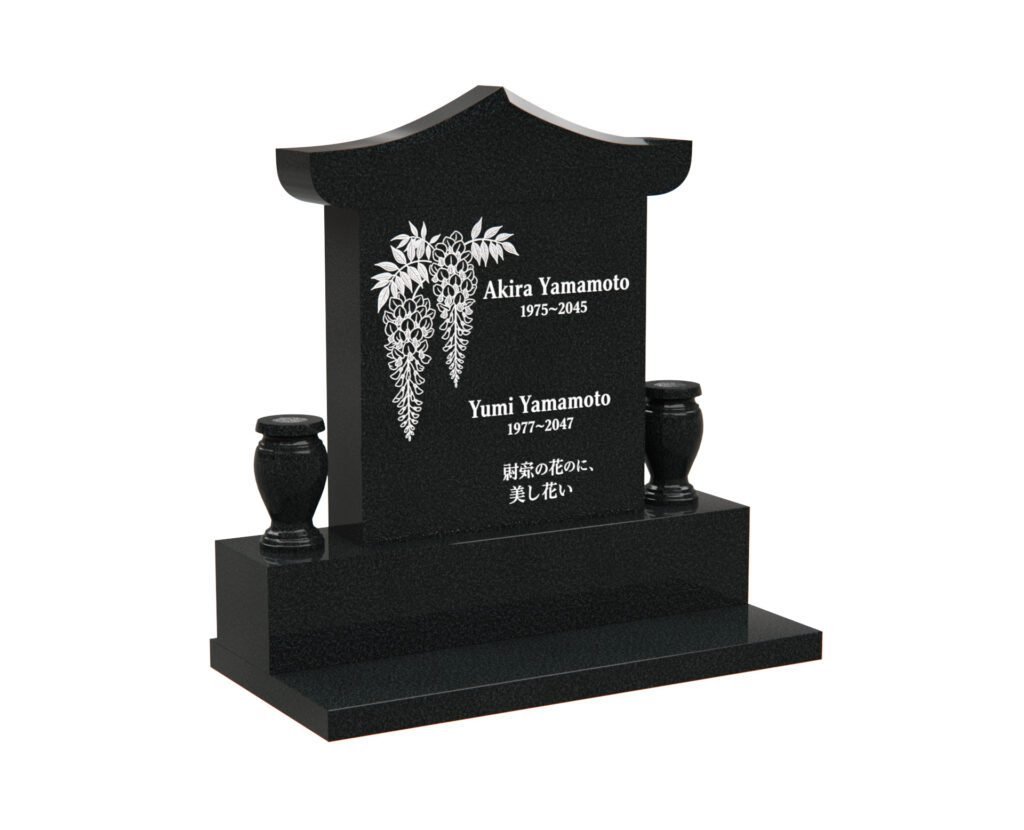
Japan and other countries of East Asia: the family name as the only voice of the monument. The atlas’s example of the most striking minimalism: traditional Japanese family grave stones often show the family name as the only element – the household as the unit that will survive, individual names on the accompanying surface or marker. The offering and visiting rites (equinox weeks, the homecoming of souls on the occasion of Obon) take care of the relations that are put into the words in other parts of the world. Chinese tradition composes in the following way: the family name in the center and vertical, the honorifics order the generations. What it gives: the permission to show restraint. The inscription is not obliged to say everything – it suffices to make the family name clear, giving it full dignity and size. A lesson American minimalists know only partly, and one the tradition has proved for centuries.
Ghana and other countries of West Africa: the life told in proverbs and symbols. In the memorial arts of Ghana, famous worldwide for the figurative coffins of the Ga people, and in other traditions of West Africa, the departed are referred to in proverbs, praise-names and symbols – adinkra symbols carrying proverb meanings in their weight – and the tradition favors the essence of the personality rather than the dates. The fisherman honored through the depiction of the sea; the matriarch through the symbol of the sacredness of motherhood. What it gives: the epitaph as an emblem. When words fail, try to find out what is the single image that will explain to strangers who that person was – then carve it large and add three words instead of thirty.
Italy and other Mediterranean countries: the face and the flourish. The campo santo of Italy gave the world the porcelain portrait on stone – the century-old tradition from Naples to New Jersey – and the voice that is not afraid of the emotions: the superlatives, endearments, grief openly expressed, marble allowing no understatements. The atlas notes that these stones are visited more than any others. What it gives: the courage. If your family’s love was operatic, the inscription is allowed to be; the trade’s quiet secret is that nobody ever stood at a stone and thought the family loved too much. And the porcelain face – the tradition we represent in our catalogue, right from this entry of the atlas – lets the person tell the story along with the family.
England and New England: the wit, the warning and the verse. The tradition of the Anglo epitaph goes deep in two voices. First is the verse of the churchyard: rhymed quatrains, scriptural quotes, the memento mori of the seventeenth century, reminding the readers of their own mortality – the voice of which is no longer used by the modern families but the craft is preserved. Second voice is the wit: the British and American nations share the richest vein of humorous epitaphs, from mild (“I told you I was sick” delights the visitors of cemeteries for generations) to the professional (“gone to rise again” the baker; “caught at last” the angler). What it gives: the permission structure for humor. If laughter was the signature of the deceased, the stone may contain it – the only question is whether the joke is theirs and the line they would choose – if yes, it will comfort every visitor who knew them and charm every one who did not.
The gazetteer note of the atlas: America, the confluence. The United States appear in this atlas not as an entry but as a confluence – all the above traditions flow through the American cemeteries, often in one and the same section: the Irish blessing three rows from the Japanese family name, the Italian portrait next to the Mexican present tense, the emblem of the Ghanaian style beside the New England verse. This is the advantage of the American family at the blank inscription line – you are heirs to the entire atlas, entitled to use any tradition that reflects your truth – and to combine them as the stones around you do.
Composing an epitaph with the atlas open. The distilled lesson of the tour: speak like the Irish to the outside or in the present tense like the Hispanic family; use the weight of the name like the East Asian tradition; try to express the essence-image like West Africa; let the feeling or the face speak like the Italians; let humor in like the English churchyards – and no matter what voice you choose, make the inscription short enough to make it deeply carved and sincere enough to be said aloud. Every day at our counter the atlas becomes granite: epitaphs of all the above traditions and languages, native readers’ correction for non-English scripts, porcelain portraits in the Italian tradition, emblems of all the above entries, all laid out at the true scale in the free 3D preview, and revisions carried on until the family finds the voice – engraving inside the listed price, delivery covered, 0% plans on the table. The world has been writing last words for five thousand years, and the last finding of the atlas is the kindest one: none of them was ever really last. They were first words for every visitor to come – which is precisely the spirit to compose yours.
