

What to Say at the Cemetery: The Scripts for the Questions Children Ask

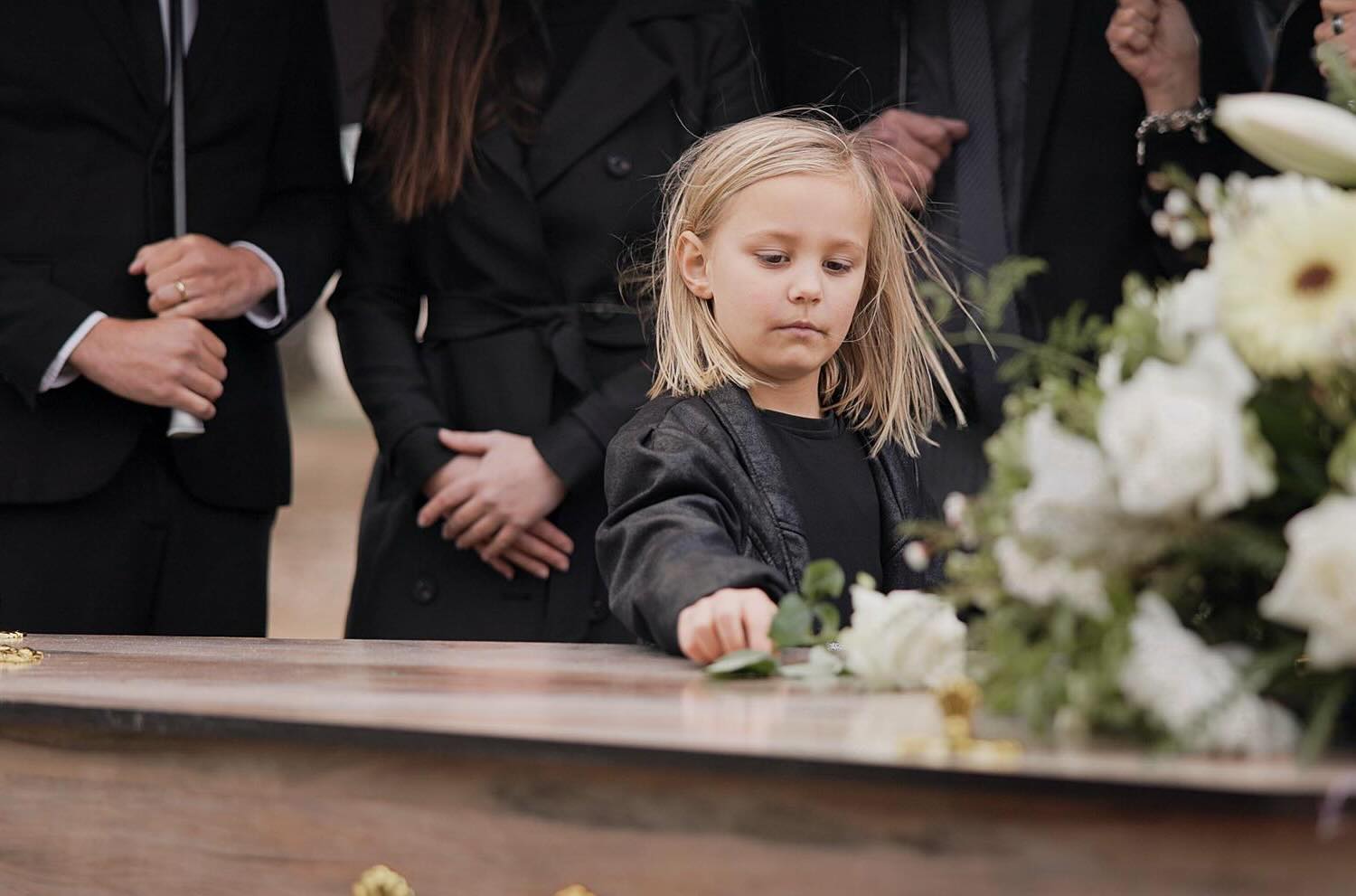
Parents planning to bring their child to the cemetery the first time practice everything but the most important thing: the exact wording. Many advice pieces recommend “being honest and age-appropriate,” which is true and useless when your five-year-old child points at the headstone and asks the question you were dreading but could never foresee. That is why this piece dares to do what other parenting resources are unlikely to provide: it offers you the exact words to use in this situation. Below are the questions which children ask at the graves, gathered from our customers and their experiences of dealing with kids’ curiosity, along with the scripts you can say in response and an explanation of why it works. Feel free to adapt the texts to your family’s beliefs and traditions, as scripts of this kind work only as a frame that a family’s own beliefs fill in. The one guideline that applies to all of them is that children can withstand any truth said calmly, but almost none of it if you are nervous.
“Where is Grandpa? Is he under there?” The script: “Grandpa’s body lies here, buried under the ground in a special strong box. His body stopped working, so he does not need it anymore – it does not hurt and it does not scare him. This is the place where we keep his body safe and this stone informs everyone about his name.” Coaching note: this question should be answered literally as children do not have enough experience to understand metaphors, and the mistake you can make here is being vague. The phrase “stopped working” is the child development experts’ gold standard of the death explanation – it is concrete, non-blaming and final. Families of faith go on with their own explanation of what happens to the soul, etc., after this basic answer about the body, as it was the answer the child actually asked.
“Why is the stone there? What does it say?” The script: “This is the headstone. It has Grandpa’s name, his date of birth and his date of death to remind people walking by that there was a person named Walter who lived once, and to make it easier for our family to find his resting place. Would you like to read his name? You can trace the letters.” Coaching note:this question is your gift – embrace it. Reading the stone aloud and tracing the letters with small fingers, finding an emblem and explaining it (“that’s a fishing boat, because Grandpa loved his boat”) is how the monument does its job of introducing someone who has passed away to the living. The children who have traced the name will remember this grave forever. At our design desk we see more and more of the families with young grandchildren, who think in advance about this question and order deeply engraved letters, a porcelain photo of the person, the emblem which explains him – and it is one of the most valuable lessons in designing a monument that we receive.
“Can he hear me if I talk to him?” The script (one of the honest versions): “No one knows for sure, people have different beliefs. Our family believes in […]. But I know for certain that talking to Grandpa here is good, and saying things out loud about him helps us keep his memory in our family. I talk to him too. You can say anything.” Coaching note: try not to over-promise or over-correct. The real question here is “can I still have a relationship with him?”, and the answer to it in any case is the unconditional yes. Demonstrate that. A parent who speaks out loud “Hi Dad, we brought Ellie” answers this question much better than any theology.
“Why are you crying? Did I make you sad?” The script: “You did not make me sad, missing Grandpa makes me sad and that is fine. Crying is the thing love does sometimes when someone is gone. I am sad and happy at the same time: I am sad that he is not here, I am happy that we are visiting him. You do not have to feel any certain way – however you feel is fine.” Coaching note: the key script of the visit, as it teaches the meta-lesson: the emotions at the grave are acceptable, visible and survivable. The children watching how the parent cries, explains and recovers will understand that the grief is the weather, not the catastrophe. Never hide your tears in the car – that is where they will be asking about them.
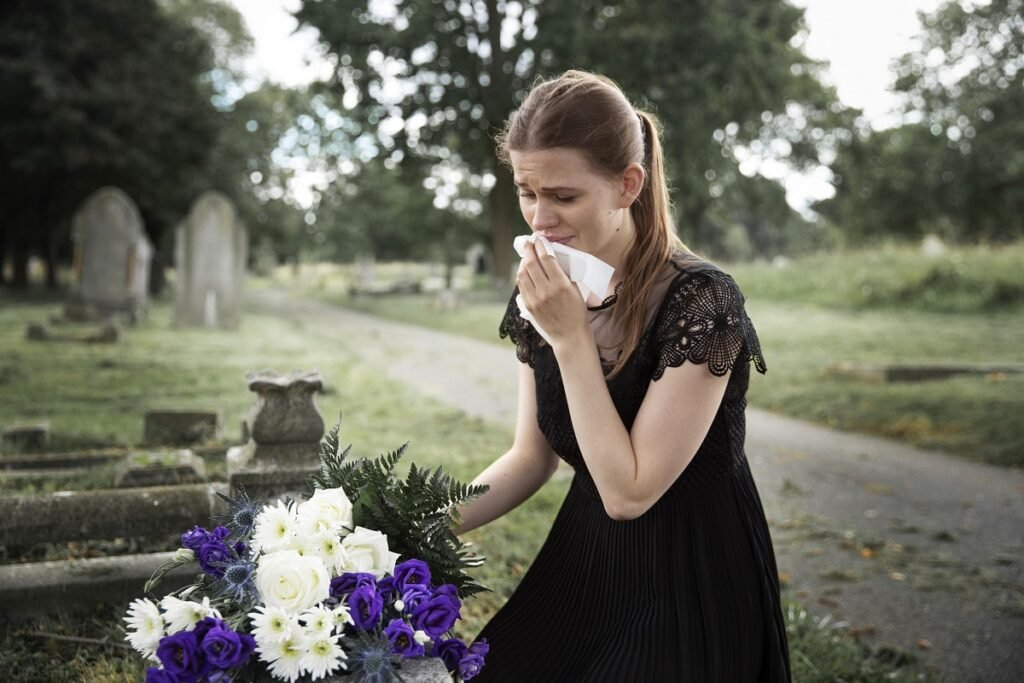
“Will you die? Will I?” The script: “Everyone dies someday, usually after a very long life – I hope to live a very long time, even until you are all grown-up and more. My job is to take care of you, and there are many people who love you and will take care of you. It is fine to ask me anything about this whenever you want.” Coaching note: the question you dread and the one developmental psychologists call healthy – it means the child understands the concept, which is the sign of successful visit. Key points of this script: “usually after a very long life” (which is the true and calming statement), the reassurance of the job-of-caring (which is the real question of the child), and the invitation to talk about the topic further (so it would not become the taboo). Never say “never” – children remember, and the goal is trust.
“Can I leave my drawing? Can I bring something next time?” The script: “That is a great idea. Let us check what is allowed here – some things can stay, like the flowers put in the vase, and some things the cemetery removes after some time. We can take a picture of your drawing next to Grandpa’s stone so he will have it forever either way. And yes – next time you can help carrying the flowers. This can be your job.” Coaching note: the gifts of children are the sign of attachment in the physical form. Respect the intention and organize the logistics. The rules of decorating cemetery can differ (the office will inform you about them), the photo solution will satisfy the child completely, and giving the kid the responsibility of coming to the grave next time – helping to carry the flowers, tracing the letters, the person who is pouring water to wash the stone – will make the scary place the place of purpose. The children with the jobs come back as adults forty years later. We have met them – they speak about their responsibilities.
The script behind all the scripts. All the answers above are the one message in different words: this is the safe place, your questions are welcome, love continues, and you belong to this family’s memories. It is not coincidentally the design brief for a family monument – the deep letters for tracing, the face in porcelain, the emblem with the story, the vase which requires a small helper, the bench for the questions to be asked slowly. We answer this brief every day, with the free 3D previews and the rounds of revision, with the engraving included in the price, with the free delivery and the zero-percent installment plans. But the granite is the stage, not the play. The play is the parent, the unhurried morning, and the words – which you already have. Speak them calmly. The five-year-old child pointing at the stone is not asking about death, mostly. She is asking whether the family can keep this. The scripts above say: yes.
