

Cemetery Decoration Policy, Annotated: What the Regulations Really Mean for Headstone Decorations

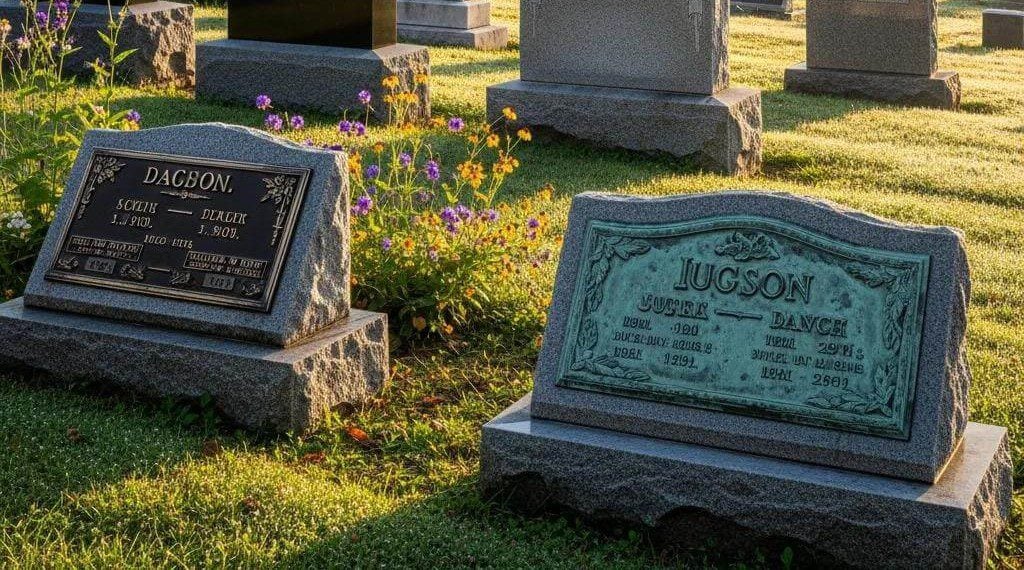
Every cemetery gives families the decoration policy, and every family looks at it the way everyone looks at insurance – once, with anxiety, learning nothing. That’s a shame, because the regulation is actually a translation problem: the clauses are written for groundskeepers and attorneys, and the questions families have are all about love – may I bring her flowers, may the grandchildren place painted rocks, will her Christmas wreath stand till January. Here is the document, translated. Below we reprint a composite decoration policy – assembled out of language that appears nearly word-for-word in cemetery regulation books throughout the country – clause by clause, with our consultant’s annotation under each explaining what the clause allows, what it implicitly prohibits, and how experienced families gracefully navigate it. Read it once and you’ll understand any cemetery’s version forever.
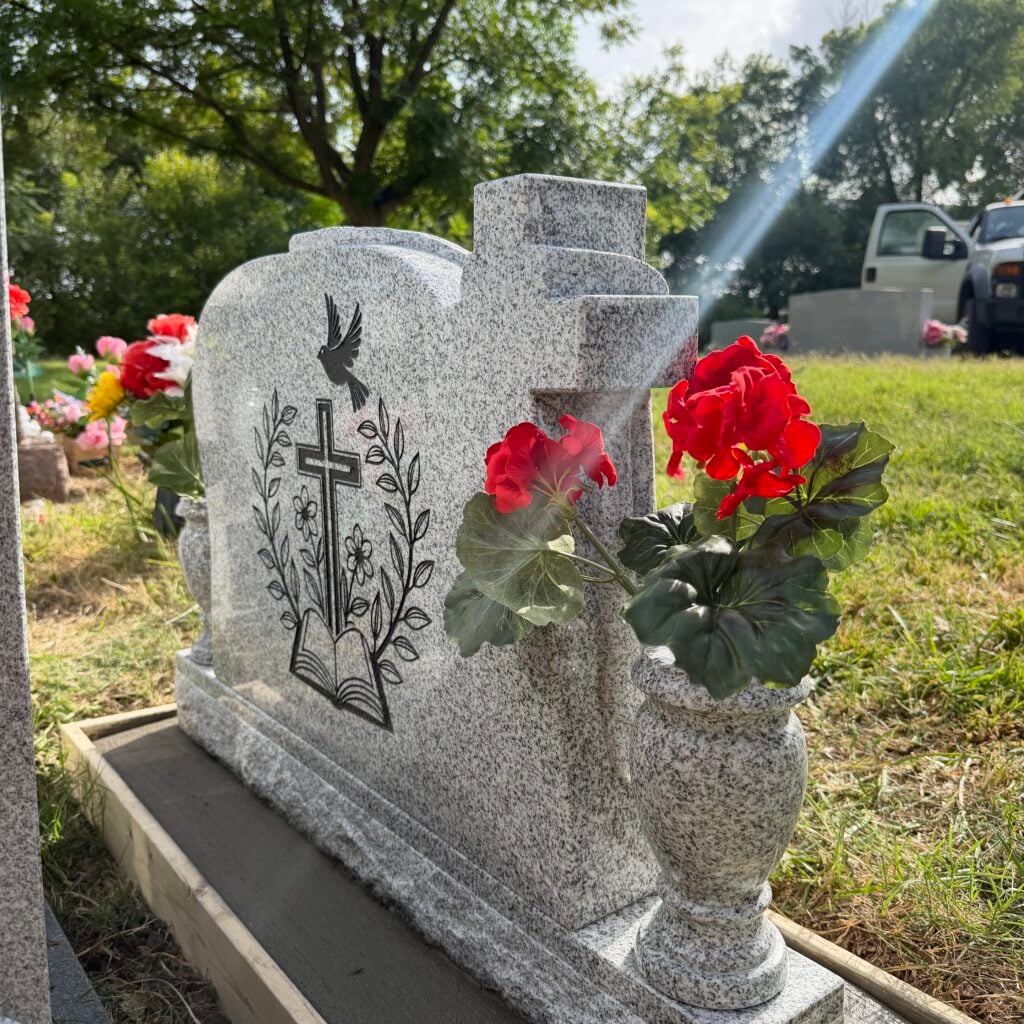
Clause 1: “Fresh cut flowers are permitted at all times and may be placed in approved containers only. Glass containers are prohibited.”
Annotation: the friendliest clause in the document, with one caveat. “Approved containers” are the cemetery’s authorized vase styles – and glass is banned everywhere for the same reason: mowers turn broken glass into shrapnel. The elegant workaround is permanent: a granite vase matching the headstone, or for flat-marker areas, a flush vase that sets into its ground sleeve between visits. Both count as parts of the monument, not as “decorations”, moving your flowers from the regulated column to the permitted one permanently. This is the single highest-value upgrade in the whole article.
Clause 2: “Artificial flowers are permitted only between November 1 and March 31, and will be removed thereafter.”
Annotation: the winter window, standard in all northern cemeteries. The reasoning is the mowing season – silk stems tangle equipment – and the annotation families need is the opposite side of the calendar: on April 1, crews take everything artificial, sentiment unread. Do not leave anything artificial you will mourn losing, and photograph your arrangements. Southern and lawn-parks calendars vary; the date is the first thing to check in your policy.
Clause 3: “No items may be attached to, leaned against, or placed upon any monument or marker.”
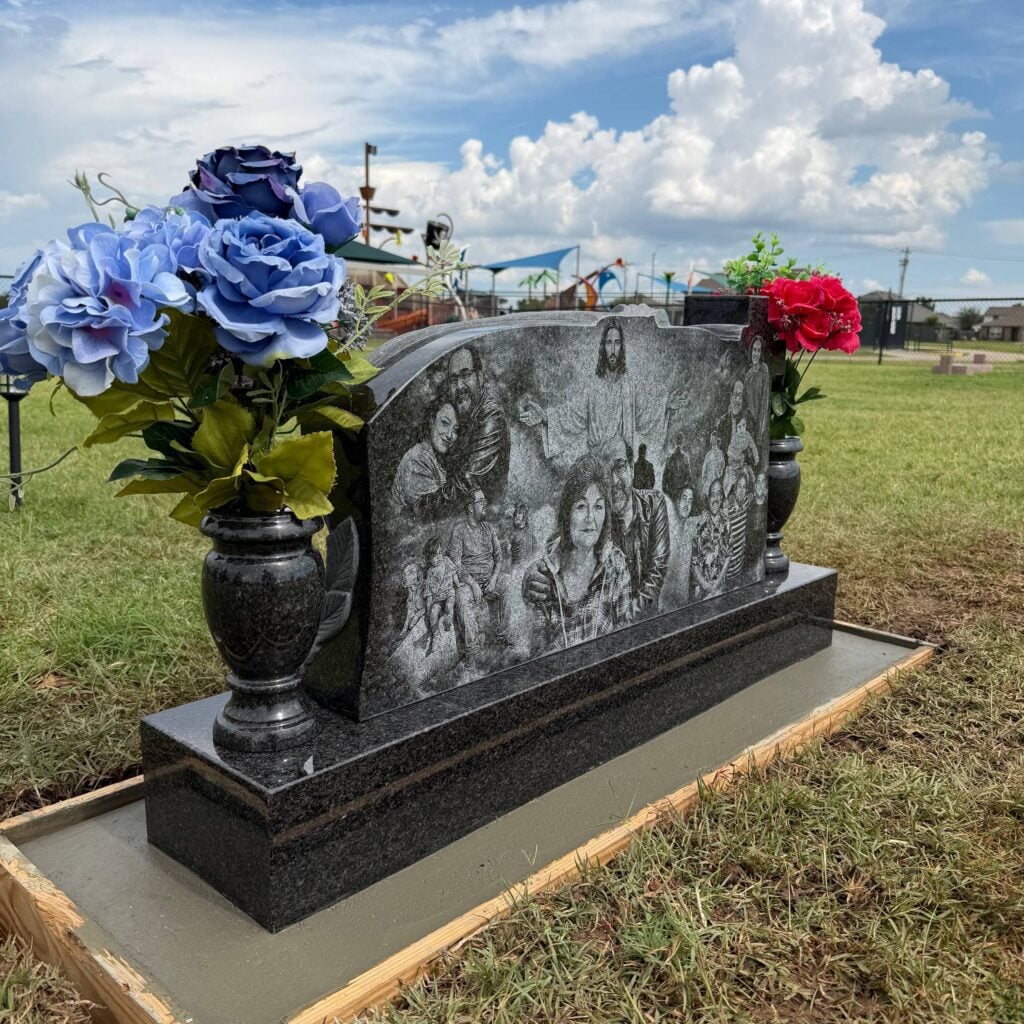
Annotation: the clause that catches families the most off-guard, because it bans the most natural actions – the photo taped to the stone, the ballcap set on the shoulder, the wreath leaning against the face. The grounds logic is that attachments trap moisture and stain granite; leaned items scratch its polished surface. The elegant translations are simple: if you wish something on the stone – make it part of the stone. Porcelain photos, engraved emblems, even engraved replicas of the insignia on the cap are permitted, permanent and included in our engraving prices. See the saddle clause below for another elegant answer to this clause’s implicit prohibition.
Clause 4: “Monument saddles and approved wreath stands are permitted during posted seasons.”
Annotation: the least used permission in the document. A headstone flower saddle is a fitted mechanism that mounts on the top of an upright or slant memorial – and this is the sanctioned way to decorate the stone with flowers precisely because it grips without adhesive and removes clean. Saddles are how experienced families do holidays – one frame, dressed for the season, placed and removed inside the posted windows. If your policy lacks this clause, ask the office – many grounds allow saddles as a matter of practice regardless of the rulebook, and having permission in writing beats the April forgiveness.
Clause 5: “Solar lights, shepherd’s hooks, borders, fencing, gravel, and plantings are prohibited except where expressly permitted in designated sections.”
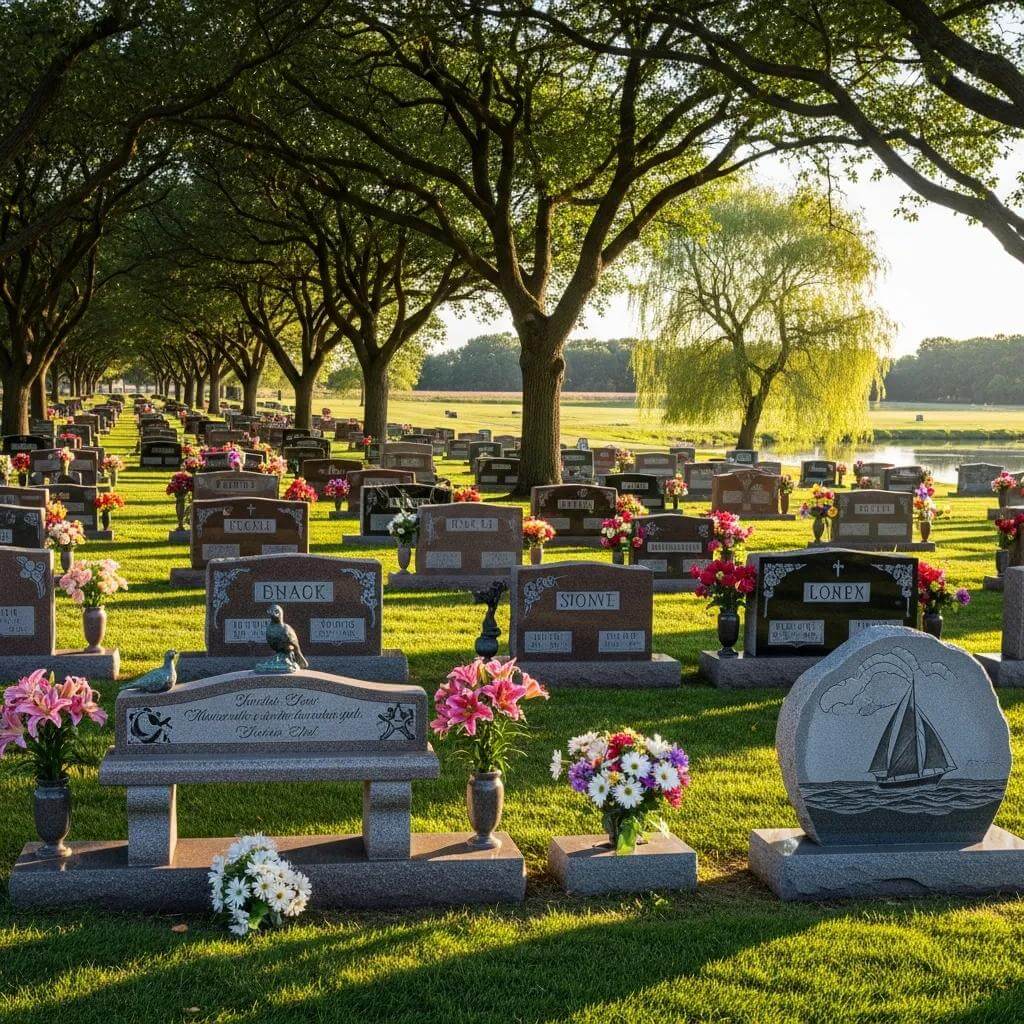
Annotation: the everything else clause. Prohibitions look harsh and are about two things: mower paths and precedent. Note the loophole in the clause wording – “designated sections.” Many cemeteries keep garden or heritage sections where hooks, lights and plantings are allowed; families for whom nightly solar light matters should ask about section options before buying a plot, not after. If you already own the plot, permitted equivalents are back in the monument: lanterns and lights carved in relief, borders as polished borders on the ledger, the garden as an etched scene. Granite is the only place on the plot where the policy does not apply.
Clause 6: “The cemetery reserves the right to remove any item deemed unsafe, unsightly, or inconsistent with these regulations, without notice.”
Annotation: the clause families read as aggressive and groundskeepers read as Tuesday. All the items decorating the grass are, legally, temporary. The consultant’s honest interpretation of the whole policy follows this line: decorations are the lease; the monument is the deed. Put the permanent sentiments – the photo, the verse, the emblem, the vase – into the deed, where they are yours forever, beyond the policy’s reach, and use the lease responsibly for the seasonal joys – fresh flowers in the approved vase, the saddle at Christmas, the flags in the posted flag weeks of late May and mid-November, which nearly every policy preserves even if this composite’s clauses say otherwise.
The annotation your policy doesn’t provide. No decoration policy anywhere explains the purpose of the document, so we will: the rules exist in order to maintain two hundred acres of private affection as a unified, mown, dignified landscape – your mother’s neighbors are protected from your enthusiasm exactly as she is protected from theirs. Families who grasp this stop fighting the document and learn to use it. And the monument side of the strategy is where we come in – vases matching your granite, porcelain photos, engraved emblems and scenes, saddle-ready upright and slant monuments – all shown in a free 3D preview, with engraving in every price, shipping free, and 0% plans so the permanent version of your sentiment never waits for the seasonal budget. We will also verify your cemetery’s actual decoration policy with the office directly, before design, and annotate it for you the way this article just did. Bring us the document. We speak fluent groundskeeper, and we translate for love.
