

Natural Stone vs Synthetic Grave Markers: Which Is Better?

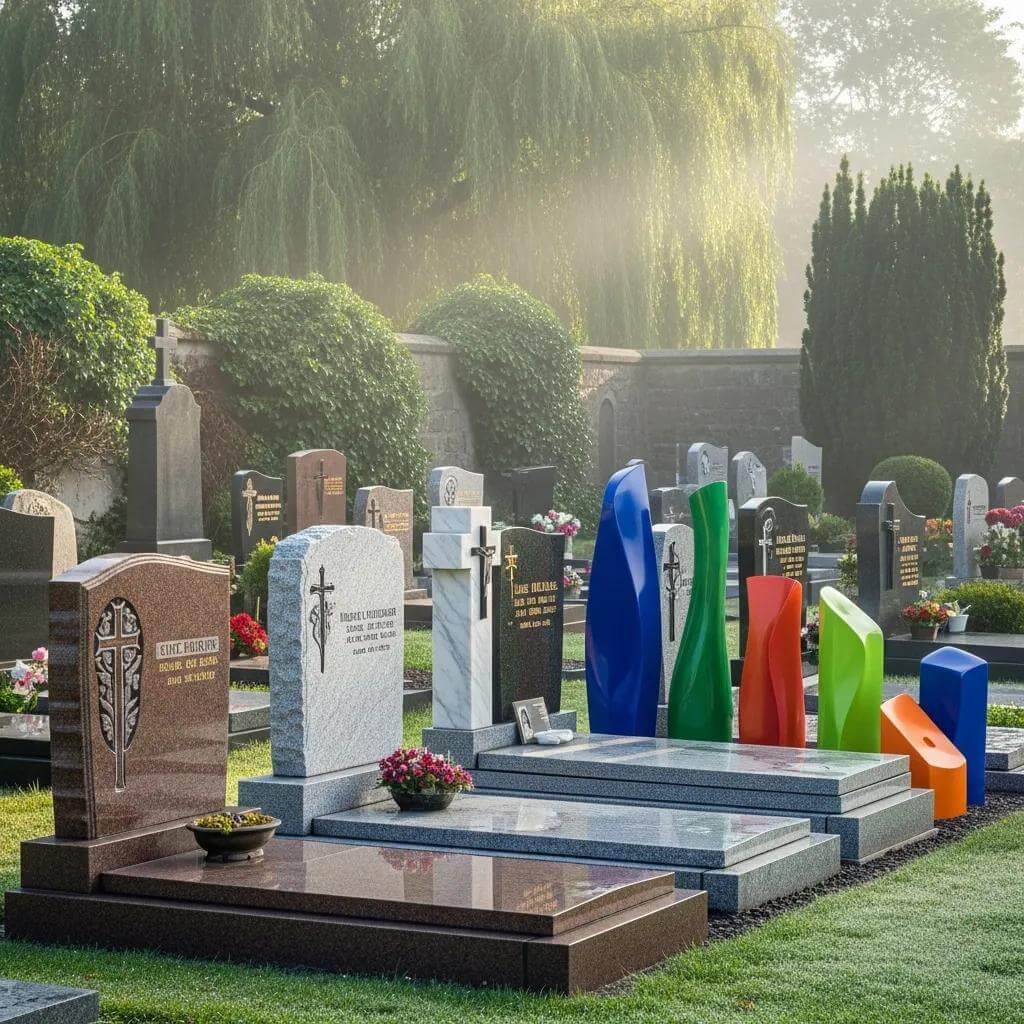
Natural Stone vs Synthetic Grave Markers: Comprehensive Comparison for Choosing the Best Memorial Material
Selecting a grave marker honours a loved one. Natural stone and synthetic markers differ in composition, appearance, durability, cost, and maintenance. This article compares those factors and outlines customization and environmental considerations to help you choose a marker that fits your preferences and budget.
Grave markers also carry cultural and economic significance, reflecting societal values and changing practices over time.
Grave Marker Materials: Cultural, Economic & Personal Choices
Grave markers function as cultural objects that express attitudes toward death, identity, belief, class, and community values. Dimensions, material choice, ornamentation, and inscriptions have shifted in response to economic conditions, religious practices, social structures, and consumer behaviour. In practice, grave markers act as “material scripts” shaped by family decisions and institutional constraints such as cemetery regulations and available resources.
Silent Testimonies: The Global Evolution of Grave Marker Art and Meaning, 2025
Comparison of Natural Stone and Synthetic Grave Markers
Key comparison factors are durability, cost, and aesthetic appeal. Granite is known for longevity; synthetics offer wider customization and typically lower upfront cost. Use these distinctions to select a memorial that suits your needs and finances.
Natural Stone Grave Markers:
Natural stone markers are made from granite, marble, or sandstone, each with distinct visual character and weathering behaviour.
Materials:
Granite is prized for durability and weather resistance. Marble has an elegant finish but is softer; sandstone offers a rustic look but is less durable than granite.
Advantages:


Natural stone offers long service life, a range of colours and finishes, and generally low maintenance—usually occasional cleaning.
Disadvantages:
Natural stone typically has a higher upfront cost and its weight often requires professional installation.
Synthetic Grave Markers:
Synthetic markers use concrete and composite resins; they can be molded into many shapes and finishes.
Materials:
Common synthetics include concrete and composite resins that enable flexible forms and colours.
Advantages:
Synthetics have lower upfront cost and strong customization potential, making them accessible for many families.
Disadvantages:
They usually have shorter lifespans and can be more vulnerable to extreme weather; some people find them less traditional than natural stone.
Factors to Consider When Choosing a Memorial:
Consider durability, aesthetics, cost, maintenance, and cemetery rules when choosing a memorial.
- Durability Considerations : Assess longevity relative to your local climate.
- Aesthetic Preferences : Choose a look that reflects the personality of the deceased.
- Cost and Budget : Set a budget and compare options.
- Maintenance Needs : Plan for upkeep over time.
- Cemetery Regulations : Confirm rules on materials and size.
For those seeking custom grave markers, Capital Grave Markers specializes in both natural stone and synthetic options to meet specific requirements.
What Are the Key Differences Between Granite and Synthetic Grave Markers?
Granite offers exceptional durability and a classic look. Synthetics allow greater design flexibility at lower initial cost.
How Does Granite’s Durability Compare to Synthetic Materials?
Granite is more durable than most synthetics and better resists environmental exposure, which makes it a common choice for long-lasting memorials.
What Customization Options Are Available for Each Material?
Both can be personalized: stone by engraving, synthetics by molding and colour.
How Do Costs Compare Between Natural Stone and Synthetic Grave Markers?
The cost of natural stone grave markers typically ranges from $1,000 to $3,000 depending on size and design. In contrast, synthetic markers can start around $500.
Historical trends show that economic conditions have repeatedly influenced the choice of grave-marker materials.
Grave Marker Material Trends: Cost & Economic Impact
Social and economic factors significantly influenced grave-marker choice in southern California cemeteries during the nineteenth and twentieth centuries. Financial circumstances directly affected decisions about the materials selected to mark the deceased. Although granite gradually replaced marble as the marker of choice in the late nineteenth and early twentieth centuries, acute economic strains such as the 1907 Bankers’ Panic and the Great Depression produced measurable increases in demand for less expensive marble and metal markers.
Mortality, money, and commemoration:
Social and economic factors in Southern California grave-marker change during the nineteenth and twentieth centuries, S Mallios, 2011
What Factors Influence the Price of Granite Grave Markers?
Price depends on the quality of the stone, size, and design complexity; custom engravings and added features increase cost.
Are Synthetic Markers More Affordable Over Time?
Synthetics have a lower initial cost but may require earlier replacement or repair, which can offset upfront savings over time.
What Are the Maintenance Requirements for Natural Stone vs Synthetic Memorials?
Natural stone generally needs occasional cleaning. Synthetic markers may require more frequent upkeep, especially in severe climates.
How Often Should Granite Markers Be Maintained?
Clean granite at least once a year and inspect for early signs of wear or damage.
Do Synthetic Markers Require Less Upkeep?
Synthetics may need less routine cleaning but can require repairs or replacement sooner than stone.
How Do Environmental and Sustainability Considerations Affect Material Choice?
Natural stone can be long-lived when responsibly sourced. Some synthetics incorporate recycled materials but may not match stone’s longevity.
However, natural stone is not immune to environmental degradation caused by pollution.
Environmental Impact on Natural Stone Memorials
The white marble of the Taj Mahal has begun to yellow due to sulphur dioxide emissions from nearby industry, which contribute to acid rain that corrodes marble by dissolving the calcium carbonate in the stone. Other monuments, such as Gwalior Fort, are also experiencing damage linked to environmental pollution.
Impact of environmental pollution on historical monuments of India: Conservation problems and remedial measures, 2015
Are Synthetic Grave Markers Eco-Friendly Compared to Natural Stone?
Synthetics can be eco-friendly when made from recycled inputs, but manufacturing sometimes uses chemicals or processes that cause pollution. Natural stone requires less processing but responsible sourcing matters.
What Are the Long-Term Environmental Impacts of Each Material?
Responsibly sourced stone generally has low long-term impact. Poorly disposed synthetic materials can increase landfill waste.
Frequently Asked Questions
What is the lifespan of natural stone versus synthetic grave markers?
Granite can last decades to over a century with appropriate care. Synthetic markers commonly last roughly 10–30 years depending on material and conditions.
How do weather conditions affect the choice between natural stone and synthetic markers?
Granite typically withstands extreme weather better. Synthetics are customizable but may suffer more in severe climates.
Can I personalize both natural stone and synthetic grave markers?
Yes. Stone is engraved; synthetics are molded and coloured. Both allow meaningful personalization.
What are the environmental impacts of producing synthetic grave markers?
Manufacturing synthetic markers can produce pollution and use non-recyclable materials, though some products use recycled components. Natural stone’s impacts depend on sourcing practices.
Are there any cultural considerations when choosing grave markers?
Cultural traditions influence choice: some prefer stone for permanence and symbolism, others choose synthetics for cost and customization.
What are the installation requirements for natural stone versus synthetic markers?
Stone is heavy and often requires professional installation with a solid foundation. Synthetics are lighter and sometimes suitable for DIY installation. Always follow cemetery rules and guidelines.
Conclusion
Choosing between natural stone and synthetic grave markers requires balancing durability, cost, maintenance, and personal preference. Natural stone offers longevity and a traditional aesthetic; synthetics provide affordability and greater design flexibility. Consider cemetery regulations and responsible sourcing when selecting a memorial.

15 thoughts on “Natural Stone vs Synthetic Grave Markers: Which Is Better?”
Comments are closed.