

Planning Layouts for Custom Grave Markers

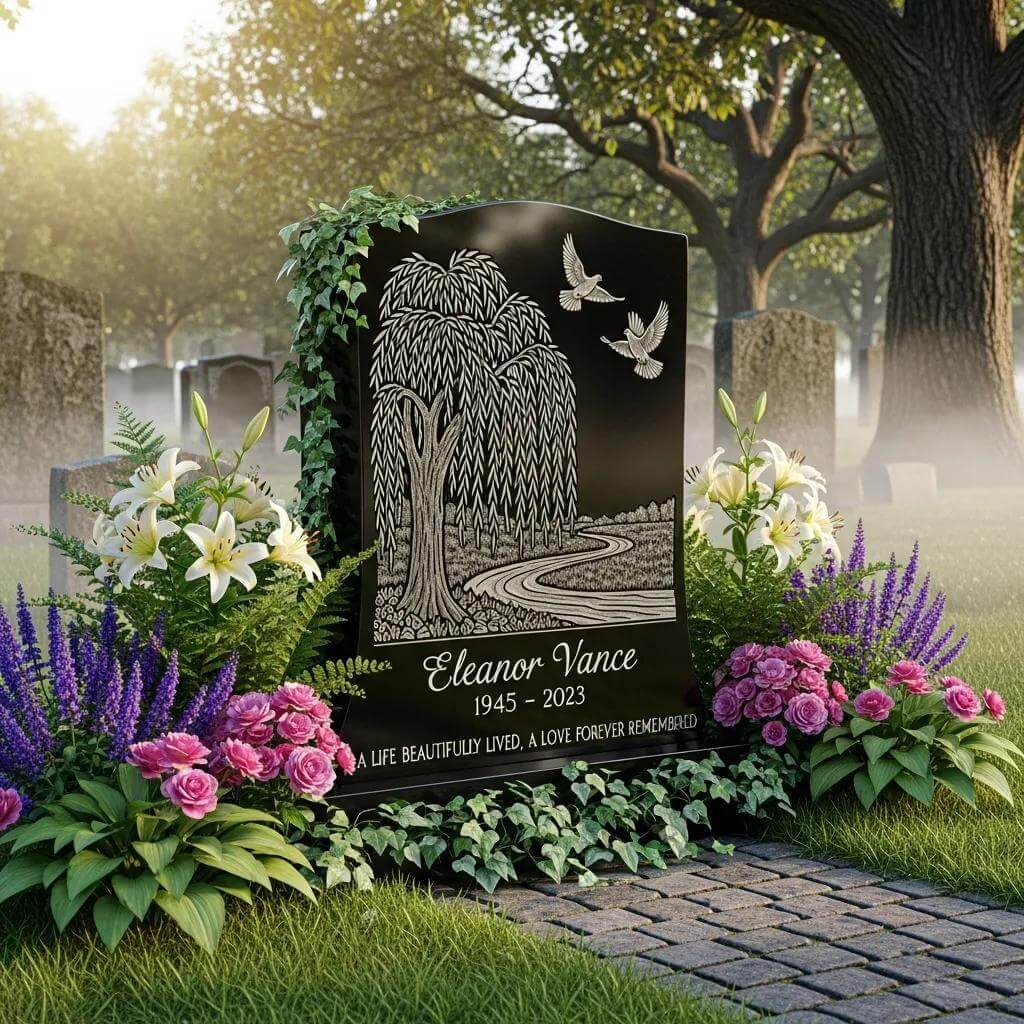
Memorial Layout Planning
Planning layouts for custom grave markers combines design, material choice, and adherence to cemetery rules. This guide highlights the materials available, size and layout considerations, inscription best practices, and how local regulations affect selection and installation so families can plan a respectful, lasting memorial.
How to Choose the Right Materials and Sizes for Custom Grave Markers?
Select materials and sizes with durability, appearance, maintenance, and cemetery limits in mind. Common choices—granite, marble, and bronze—offer different looks and care needs; confirm size restrictions early so your design fits the plot and the rules.
What Are the Common Materials Used in Memorial Stone Planning?
Typical materials and their basics:
- Granite: Durable and weather-resistant; available in many colors and finishes.
- Marble: Classic appearance but softer and may need more upkeep.
- Bronze: Often used for plaques; resists corrosion and pairs well with stone.
Know each material’s longevity and care to match preferences and cemetery rules.
How Do Size Dimensions Affect Grave Marker Layouts?
Size requirements shape marker type and placement. Decide early whether you want a flat, upright, or companion marker and confirm the cemetery’s maximum dimensions to ensure proper installation and stability.
- Cemetery Size Limits: Regulations differ by site and can limit height, width, or style.
- Design Considerations: Upright stones usually need more space than flat markers.
- Spatial Requirements for Installation: Measure the plot and plan a foundation that fits local rules.
Clear size planning avoids installation delays and ensures a balanced appearance.
What Are the Best Practices for Designing Inscriptions and Symbols on Headstones?

Prioritise legibility and meaningful imagery. Use readable fonts, balanced layouts, and symbols that reflect the deceased’s life while remaining clear over time.
- Font Choices: Pick simple, legible fonts rather than ornate scripts.
- Layout Considerations: Arrange text and imagery for visual balance and readability.
- Significance of Symbolism: Choose motifs that meaningfully represent the deceased.
These approaches produce a respectful, long-lasting tribute.
How to Personalize Engraved Headstone Options Effectively?
Personalisation should be culturally appropriate, simple, and durable. Opt for engraving methods and details that will remain readable and meaningful for years.
- Cultural Significance: Include motifs important to the family or the deceased.
- Simplicity in Design: Simple designs age better and stay legible.
- Engraving Techniques: Use deep engraving or proven methods on quality materials.
Thoughtful personalisation balances sentiment with longevity.
What Symbolism Can Be Incorporated in Cemetery Monument Design?
Symbols add meaning and can reflect faith, protection, beauty, or personal interests. Select widely recognised motifs or family-specific symbols that suit the marker’s size.
- Angels: Often used for protection and guidance.
- Crosses: Common in Christian memorials to signify faith.
- Floral Motifs: Represent life, beauty, and natural cycles.
Carefully chosen symbols deepen a memorial’s emotional impact.
How to Understand and Comply with Cemetery Regulations for Grave Marker Layouts?
Review cemetery rules early to prevent delays. Ask staff for written guidelines on permitted materials, sizes, and design approvals.
- Common Cemetery Restrictions: Materials, dimensions, and styles are often regulated.
- Best Practices for Compliance: Consult staff and get approvals in writing when needed.
- Checklist of Questions: Ask about materials, size limits, and installation steps.
Following rules avoids complications and supports timely installation.
What Are Common Cemetery Rules Affecting Memorial Designs?
Rules typically cover dimensions, materials, approvals, and ongoing maintenance expectations to preserve the grounds’ appearance and safety.
- Size and Material Restrictions: Many cemeteries set precise guidelines.
- Design Approval Processes: Some sites require pre-approval of designs.
- Maintenance Requirements: Understand upkeep for chosen materials.
Knowing these rules helps you design a fitting, acceptable memorial.
How to Plan Layouts That Meet Installation and Location Requirements?
Request written guidelines, confirm specifications, and consult cemetery staff to ensure your layout complies with location and installation rules.
- Requesting Written Guidelines: Get official documentation of limits.
- Confirming Size and Material Limits: Verify your design fits the rules.
- Engaging with Cemetery Staff: Staff can advise on site specifics and timing.
Early confirmation reduces the chance of rework during installation.
What Are Practical Steps for Installing Custom Grave Markers?
Proper installation needs approvals, a prepared foundation, and a final inspection to ensure stability and compliance.
- Obtaining Cemetery Requirements: Secure documentation and approvals first.
- Preparing the Foundation: Create a level, stable base appropriate for the marker.
- Final Inspection After Installation: Verify the marker meets specifications and is secured.
These steps protect the memorial and the grounds.
What Is the Typical Installation Process and Timeline?

Installation typically moves from order and fabrication to site prep and placement. Timelines depend on design complexity, materials, weather, and cemetery scheduling.
- Lead Times for Different Marker Types: Simple markers install faster; detailed designs take longer.
- Installation Timing Considerations: Weather and policies can affect scheduling.
- Required Tools and Materials: Confirm all tools and supplies before starting.
Plan for possible delays and confirm scheduling with cemetery staff.
How to Ensure Quality and Longevity in Memorial Stone Installation?
Choose durable materials, use proper installation techniques, and maintain the marker to preserve appearance and stability over time.
- Quality Materials for Longevity: Select materials suited to the local climate.
- Proper Installation Techniques: Use experienced installers for secure placement.
- Regular Maintenance Tips: Schedule cleaning and inspections as recommended.
A maintenance plan keeps the memorial looking its best for generations.
For more information on selecting the right memorial, consider visiting Capital Grave Markers .
When considering your options, remember that grave marker products come in a range of styles and materials to suit different budgets.
To explore available options and find a suitable tribute, visit Capital Grave Markers .
Frequently Asked Questions
What factors should I consider when choosing a location for a grave marker?
Balance visibility, respect, and cemetery spacing. Check orientation preferences and confirm the spot with cemetery staff to ensure compliance.
How can I ensure my custom grave marker is environmentally friendly?
Choose materials with lower processing impacts, seek recycled-content options, use natural finishes, and consider native plantings. Ask manufacturers about sustainable practices.
What are the common mistakes to avoid when designing a grave marker?
Avoid overly intricate details that reduce legibility or increase maintenance. Prioritise readable fonts, proportionate design for the marker size, and compliance with cemetery rules.
How can I incorporate personal elements into a grave marker design?
Add symbols, brief quotations, or simple motifs that reflect the deceased. Keep elements proportionate and choose engraving methods that retain detail.
What maintenance is required for different types of grave markers?
Maintenance varies: granite needs occasional cleaning, marble may need more care and sealing, and bronze may require polishing. Follow manufacturer guidance.
Are there any specific cultural considerations when designing a grave marker?
Cultural traditions affect symbols, colours, and material choices. Consult family or cultural advisers to ensure the design is respectful.
What should I do if I encounter issues with my grave marker installation?
Contact cemetery staff first for site or compliance issues. For problems with the marker, notify the manufacturer or installer with documentation to resolve the issue.
Conclusion
Creating a custom grave marker allows families to honour a loved one with a personal, compliant memorial. Understand materials, sizes, and best practices, confirm cemetery requirements, and consult vendors to complete a lasting tribute. Visit Capital Grave Markers to review options and begin planning.

13 thoughts on “Planning Layouts for Custom Grave Markers”
Comments are closed.