

Designing Memorials for Religious Cemeteries

Religious Headstones: Designing Memorials for Religious Cemeteries
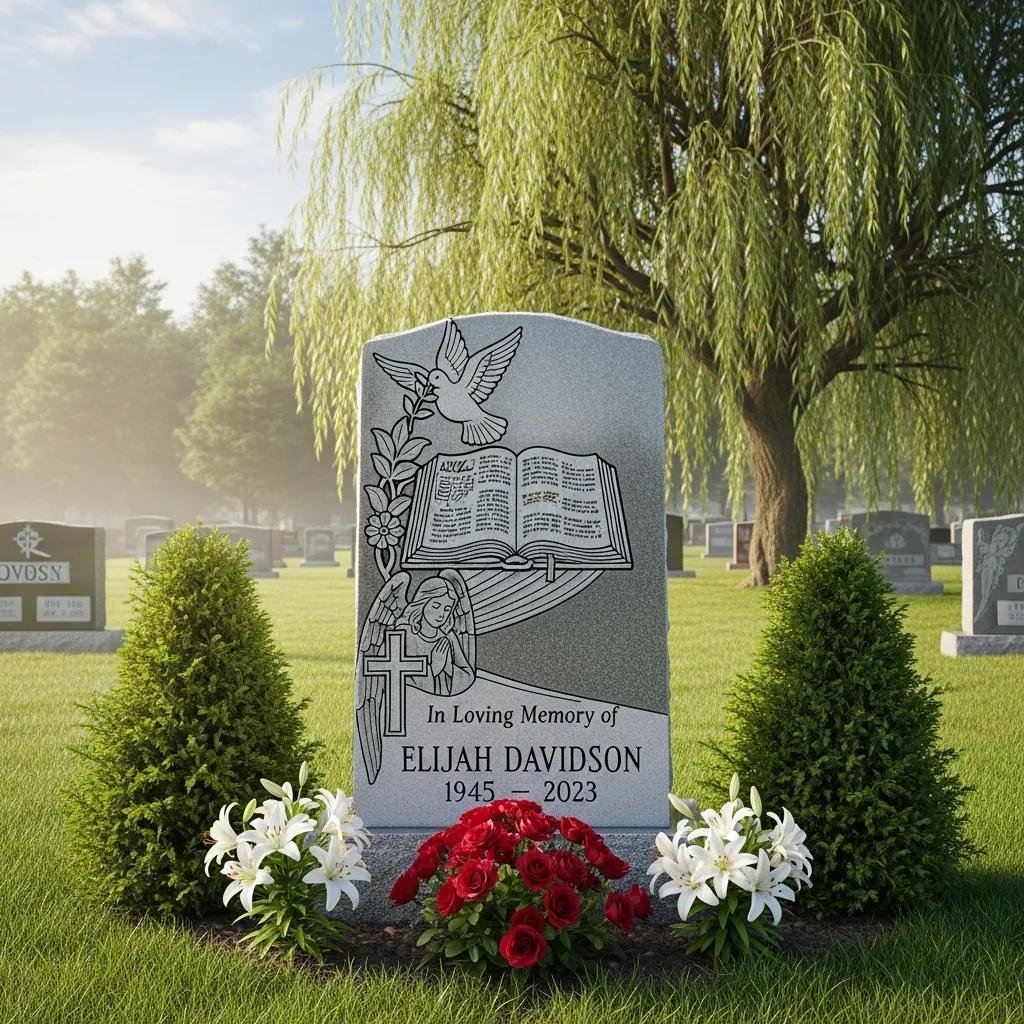
Designing a memorial for a religious cemetery honors the deceased’s faith and traditions. This guide explains key elements of custom religious headstones—religious symbols, personalization, and cemetery regulations—to help families balance personal meaning with site rules and plan durable, respectful memorials.
What Are Common Religious Symbols Used in Cemetery Memorial Designs?
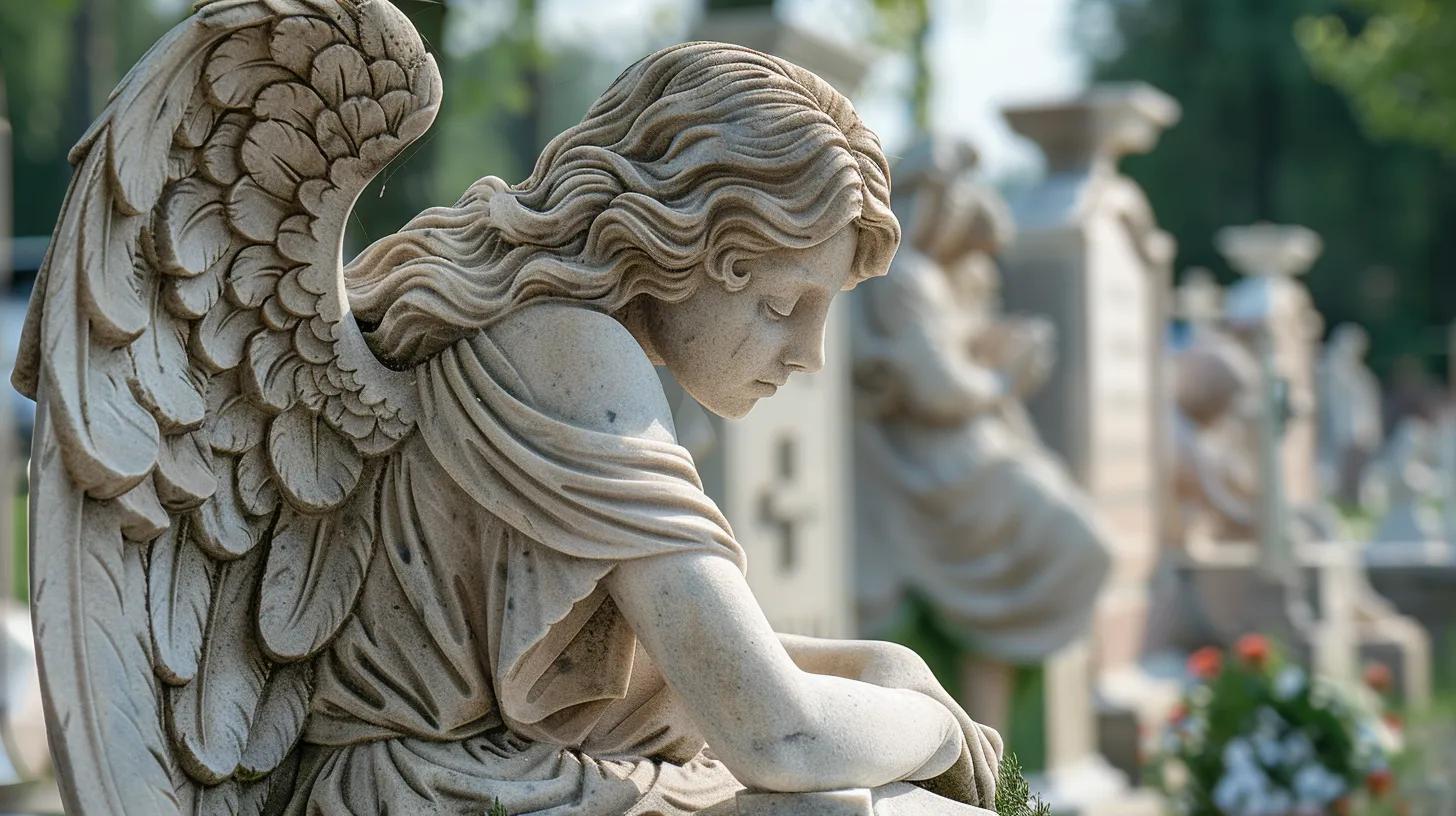
Religious symbols convey faith and cultural identity. Crosses, Stars of David, and crescents are common; placement and scale matter because cemeteries often limit sizes and locations. Understanding symbols helps families choose respectful, compliant designs.
How Do Christian and Jewish Symbols Reflect Faith in Grave Markers?
Christian and Jewish symbols express distinct theological and cultural meanings: the cross often denotes sacrifice and eternal life, while the Star of David signifies Jewish identity and tradition. Historical research shows symbols can be context-dependent, so careful use and placement on headstones promote clarity and respect.
Scholarly research further demonstrates that religious symbols can carry complex, context-dependent meanings, and that historical cases sometimes challenge simple assumptions about identity and burial practices.
Religious Symbols in Cemetery Art
Excavations in 2016 at a late Ottoman Muslim cemetery in Jaffa recovered two coffins decorated with hexagrams resembling the Star of David. The finds suggest unusual burial circumstances in which some Jews may have been interred in a Muslim graveyard amid rising communal tensions. Subsequent analysis offers a more nuanced interpretation of the symbols and cautions against straightforward religious identification based solely on hexagram motifs.
The Hexagram Graves: Symbols and Identity in Ottoman Jaffa, 2023
What Is the Meaning Behind Popular Religious Icons on Memorials?
Icons such as angels, doves, and sacred figures offer spiritual comfort and frame loss within a faith context. Inscriptions clarify intent; choosing fitting images and text helps create consoling, meaningful memorials.
How Can You Customize Faith-Based Grave Markers to Honor Religious Heritage?
Custom grave markers let families reflect religious heritage through inscriptions, specific symbols, and tradition-aligned design elements. Engraving techniques enable various detail levels; scripture or motifs can make the memorial personally meaningful and comforting.
What Personalization Options Are Available for Religious Cemetery Memorials?

Common personalization choices include inscriptions, font styles, and photo memorials.
- Heartfelt Inscriptions: Families can choose meaningful quotes, scriptures, or personal messages to be engraved on the memorial.
- Elegant Font Choices: The style of the lettering can be customized to reflect the personality and preferences of the deceased.
- Photo Memorials: Adding a photo of the deceased can create a more personal connection and serve as a visual tribute.
These options combine aesthetic quality with personal significance so the memorial reflects faith and identity.
How Does the Customization Process Ensure Quality and Compliance?
A structured workflow ensures quality and compliance: an initial consultation records preferences and constraints, a proofing stage lets families approve the design, and final checks confirm materials and dimensions before fabrication.
What Are the Key Cemetery Regulations and Compliance Requirements for Religious Memorials?
Cemetery regulations govern symbols, inscriptions, materials, and the approval process. Each cemetery issues specific rules; following them avoids delays or installation rejection. Familiarity with these frameworks is useful, as studies examine how standards apply in different religious and local contexts.
Muslim Cemetery Compliance & Planning
The study examines Minimum Standard Requirements (MSRs) and Sharia compliance for a Muslim cemetery on Jalan Ampang in Kuala Lumpur. Selected for its historical and socio-cultural significance, the site was assessed through literature review, site observation, and questionnaire survey. Findings indicate that a crowded layout affects grave location, wayfinding, and pedestrian circulation within the sacred landscape.
Assessing Minimum Standard Requirements and Sharia Compliance for Muslim’s Cemetery at Urban Setting, 2021
Which Rules Affect the Design and Installation of Religious Grave Markers?
Design and installation rules vary but commonly set dimensions, approved materials, and appearance standards. Most memorials need cemetery authorization and foundation specifications to ensure stability and long-term placement.
How Can Families Ensure Memorials Meet Cemetery Guidelines?
Families can take practical steps to ensure cemetery compliance:
- Obtain Written Guidelines: Request the cemetery’s official guidelines outlining memorial requirements.
- Confirm Size and Material Limits: Verify size and material limits before design.
- Work with Qualified Installers: Use installers experienced with cemetery regulations.
These steps reduce noncompliance risk and help families achieve a well-executed memorial.
Which Materials Offer Durability and Aesthetic Appeal for Religious Cemetery Markers?
Material choice affects durability and appearance. Common options are granite, bronze, and marble: granite for long-term durability and low maintenance; bronze for a classic, weathering finish; marble for traditional beauty and varied tones. Assessing properties helps choose the right marker.
What Are the Benefits of Granite, Marble, and Eco-Friendly Materials?
Each material offers advantages:
- Granite: Very durable and low maintenance; resists weathering and lasts decades.
- Marble: Classic elegance and a range of colors.
- Eco-Friendly Materials: Lower environmental impact for sustainability-minded families.
These considerations help families select materials that match aesthetic preferences, maintenance expectations, and environmental values.
How Do Material Choices Impact Longevity and Maintenance?
Material choice determines longevity and care. Granite needs occasional cleaning; bronze may require periodic polishing. Concrete and sandstone are less durable and may need frequent repairs. Understand these differences to plan upkeep and lifespan.
For a wide selection, see Capital Grave Markers products. Consult professionals with knowledge of religious symbols and cemetery regulations for guidance: Capital Grave Markers can provide support throughout the process.
Frequently Asked Questions
What should families consider when choosing a religious headstone design?
Consider the deceased’s faith, personal preferences, and symbol significance. Also confirm cemetery rules on size, materials, and permitted symbols; a designer can reconcile wishes with regulations.
How can families incorporate personal stories into memorial designs?
Incorporate personal stories via inscriptions, symbols, or imagery tied to the deceased. Work with a designer to translate these into a cohesive, respectful design.
What are the environmental considerations for choosing cemetery materials?
Choose recycled stone, sustainably sourced wood, or other eco-friendly options and ask about quarrying and production practices for granite and marble. Sustainable choices align the memorial with environmental values.
Are there specific maintenance tips for different types of memorial materials?
Maintenance varies: granite needs mild soap and water; marble benefits from more frequent cleaning and sealant; bronze requires periodic polishing. Follow material-specific care to preserve condition.
What role do cemetery staff play in the memorial installation process?
Cemetery staff review and approve plans, coordinate installation, and confirm foundation and placement. Early engagement streamlines approval and installation.
How can families ensure their memorial reflects their loved one’s personality?
Select symbols, designs, and inscriptions that reflect interests and values. Color, motifs, and personalized text make memorials distinctive; work with a designer to craft a lasting tribute.
Conclusion
Custom religious headstones let families honor faith and heritage through deliberate design and material choice. Understanding personalization and compliance produces respectful, durable memorials. Work with qualified professionals to plan a fitting, lasting tribute; explore customizable options to begin planning.
