

How to Choose an Affordable Flat Grave Marker

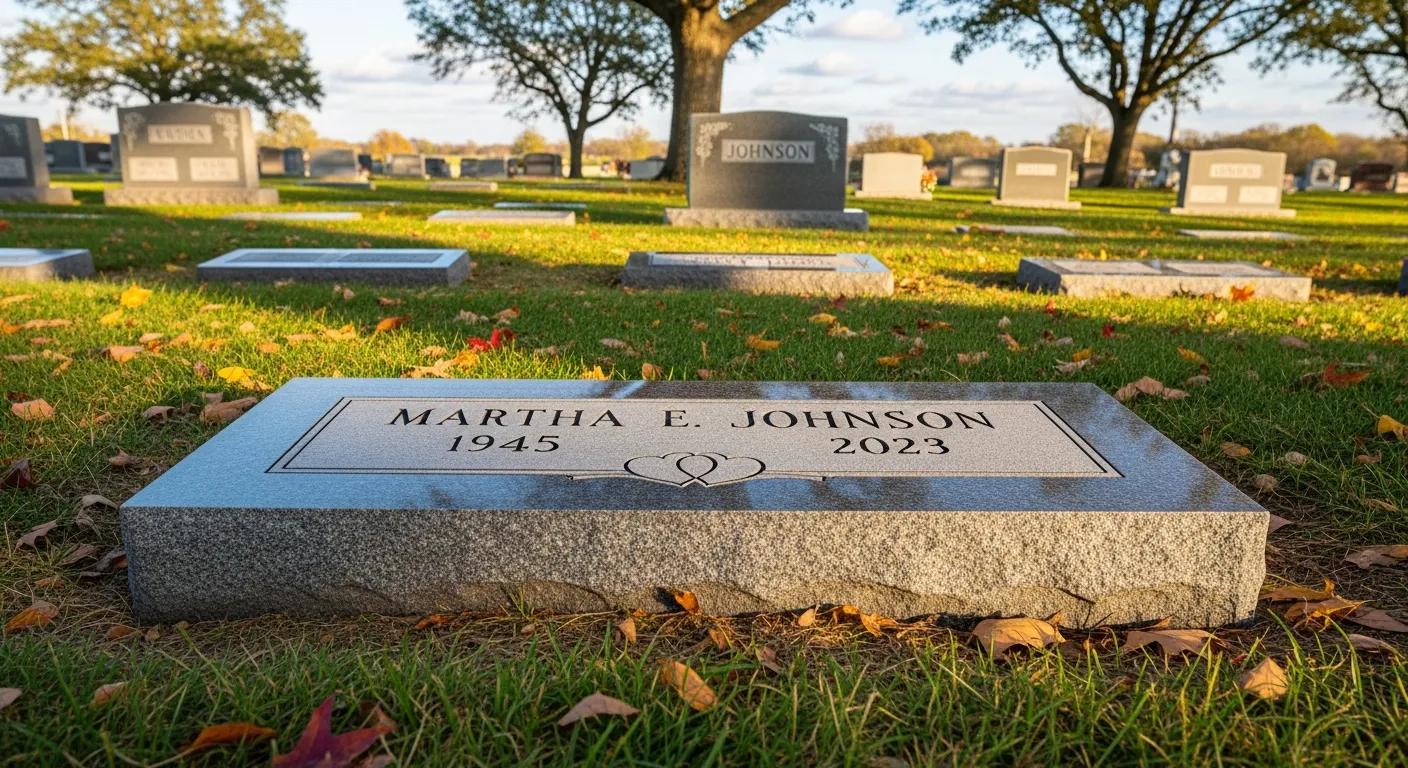
Choosing an Affordable Flat Grave Marker
Choosing a flat grave marker is both a practical choice and a personal one. This guide walks you through what flat markers are, why they’re often the most budget-friendly memorial option, and how material, size, and personalization affect price and long-term value. You’ll learn to compare granite, bronze, and concrete; understand common cemetery rules that can shape your decision; and find low-cost personalization ideas that keep meaning without adding unnecessary expense. We also cover the ordering steps and decision tools—like 3D previews and porcelain photos—that help prevent costly revisions. Practical checklists, maintenance tips, and clear cost drivers are included so you can choose a respectful, affordable flat headstone that honors a life well remembered.
Table of Contents
- What Are Flat Grave Markers and Why Are They a Cost-Effective Memorial Choice?
- Which Materials Give the Best Value for Affordable Flat Grave Markers?
- What Cost Factors Should You Expect When Choosing a Flat Grave Marker?
- How Can You Personalize a Flat Grave Marker Without Going Over Budget?
- Which Cemetery Regulations Can Affect Your Choice of Flat Grave Marker?
- How Does Capital Grave Markers Deliver Quality and Affordability?
- What Is the Step-by-Step Process to Order an Affordable Flat Grave Marker?
- Common Questions Families Ask About Affordable Flat Grave Markers
- Conclusion
What Are Flat Grave Markers and Why Are They a Cost-Effective Memorial Choice?
A flat grave marker sits level with the lawn—usually a slab of granite, a bronze plaque, or a concrete stone—so grass can be mowed over it. That low profile uses less material and simplifies installation, which lowers manufacturing and labor costs while providing a dignified, understated memorial. Because flat markers generally need less foundation work than upright headstones and often meet lawn-cemetery rules, they frequently avoid extra setting fees or special permits. For single graves and companion plots, flat markers give clear engraving space and long-term legibility at a lower total cost than many upright monuments.
Flat markers fit many cemetery layouts and maintenance routines, especially in lawn-style cemeteries that value uniformity. Providers like Capital Grave Markers offer online options that balance affordability with personalization, making it easier to compare materials and pricing. Next, we’ll compare materials and show how cemetery rules should shape your final choice.
Because they’re simpler to clean and care for, flat markers often mean lower lifetime maintenance costs compared with taller monuments. The next section compares the main materials so you can weigh initial price against decades of performance.
How Is a Flat Grave Marker Different from Other Headstones?
Flat markers are defined by their flush installation and thin profile, unlike upright headstones, bevels, or slant markers that rise above ground level. Fabrication differs: flat markers are cut as slabs or plaques and usually have one polished face for engraving, while upright stones need thicker blocks and a separate base for stability. The low profile reduces edge exposure to wind and freeze-thaw cycles, which often improves durability for the same material. Because installation is simpler, cemeteries commonly approve flat markers more quickly, enabling faster placement and fewer permits.
Visually and practically, flat markers create a lawn-level aesthetic and are less likely to collect debris, while upright stones become visual focal points but require more fabrication and foundation work. Knowing these trade-offs helps you judge materials and size for both cost and long-term care.
Why Do Flat Markers Usually Cost Less Than Upright Headstones?
Flat markers tend to be less expensive because they use less raw stone, require simpler fabrication, and avoid the heavy foundations that upright monuments need. Fewer labor hours for both manufacturing and installation lower direct costs, and many cemeteries charge less for placing lawn-level markers. Shipping is often cheaper too, since flat slabs stack and palletize more efficiently than tall shapes. Those savings add up and create a meaningful gap between basic flat markers and larger upright headstones.
There are exceptions: a highly customized flat marker with deep relief carving, multiple insets, or a porcelain photograph can reach the cost of a plain upright stone. If you need a strong visual presence, an upright may be worth the extra price; otherwise, a carefully chosen flat marker offers dignity and durability at a lower cost. The next section compares material options and their value profiles.
Which Materials Give the Best Value for Affordable Flat Grave Markers?
Material choice strongly affects both initial cost and long-term performance. Granite lasts decades and comes in many colors; bronze offers a classic metal look and a distinctive patina; concrete is the lowest-cost option but usually needs more upkeep and has a shorter service life. Comparing typical price ranges with expected lifespan helps you decide which material gives the most value for your budget and cemetery conditions.
Material also dictates finish options and engraving contrast, which affects how readable the inscription stays over time. Some makers emphasize American workmanship and supply standard finishes and templates so you can choose a durable look without expensive custom art. The table below summarizes common materials and their main attributes.
| Material | Durability & Lifetime | Typical Price Range | Maintenance & Visual Options |
|---|---|---|---|
| Granite | High — 50+ years in most climates | Moderate to premium | Low maintenance; many colors; polished or textured finishes |
| Bronze (plaque) | High — 40+ years with proper care | Moderate to high | Low maintenance; develops patina; strong contrast for raised lettering |
| Concrete | Moderate — 10–30 years depending on climate | Low (budget option) | Higher maintenance; can be colored or sealed but less refined finish |
How Do Granite, Bronze, and Concrete Compare for Durability and Cost?
Granite is the most weather-resistant: it stands up to freeze-thaw cycles and biological growth and keeps engraving legible for decades. Bronze plaques are durable and offer a timeless metallic appearance; over time they develop a green or brown patina that many families appreciate. Concrete is the most economical but can crack, spall, or discolor—especially in rough climates—so it’s best for tight budgets or short-term markers.
Prices reflect those performance differences: basic granite flat markers usually sit in a moderate price band and rise with size and color rarity; bronze often carries a premium for metalwork; concrete sits at the low end. Your priority—lowest up-front price versus lowest lifetime cost—will point you to the right material.
Which Granite Colors Are Popular — and Do They Cost More?
Common granite colors include black, gray, dark green, red, and blue-gray. Dark stones give strong contrast for sandblasted or filled lettering but can show surface dust; lighter grays and pinks soften the look and may make filled lettering less bold. Rare or imported granites can carry a premium, while widely available local colors usually cost less.
Color can affect price when a specific stone must be sourced, but the biggest cost drivers remain slab thickness, overall size, and engraving complexity. Picking a common color that works well with standard engraving methods is often the best value for readability and durability.
What Cost Factors Should You Expect When Choosing a Flat Grave Marker?
Beyond material, the main cost drivers are size and shape, engraving complexity, personalization (photos, emblems), installation and foundation, shipping, and cemetery fees or permits. Each choice adds predictable costs: larger companion markers and extra lines of text raise material and engraving time; specialty art or porcelain photos add fabrication steps. Understanding these factors helps you plan a realistic budget and avoid surprises.
How Do Size, Shape, and Customization Influence Price?
Size and shape determine material volume and fabrication time: single flat markers are usually cheaper than companion markers for two, and decorative bevels or unique shapes add cutting and finishing time. Custom artwork, deep relief, or hand carving increases labor and can move a marker into a higher price tier. Even the number of inscription lines affects engraving time—concise epitaphs often save money while still conveying what matters.
To keep costs down, choose standard sizes, predesigned templates, limit artwork to a single emblem, and stick with standard fonts. Those choices cut setup and design labor while keeping the memorial personal.
What Extra Costs Should You Plan For with Installation and Shipping?
Installation frequently requires a concrete foundation or specific setting per cemetery rules, and some cemeteries charge placement or permit fees; these charges are often separate from the marker price. Delivery and installation costs depend on distance, weight, and whether the cemetery allows outside installers or requires in-house crews. Shipping can be a significant add-on for heavy stone if it’s not included.
Some providers include shipping in the purchase price to simplify comparisons. Always confirm whether a quote covers foundation work, permit handling, and installation scheduling so you won’t be surprised by extra charges.
How Can You Personalize a Flat Grave Marker Without Going Over Budget?
Meaningful personalization doesn’t have to be expensive. Affordable options include using a predesigned template, choosing one or two symbols instead of a full scene, picking standard fonts, and limiting inscription lines. Porcelain photos and 3D model previews add strong emotional value and reduce revision costs; when a provider includes these tools, they’re often cost-effective ways to personalize without repeated design fees.
The table below helps you weigh personalization choices against durability and visual impact so you can prioritize what matters most.
| Personalization Option | Cost Impact | Durability | Visual Impact |
|---|---|---|---|
| Porcelain Photo | Low–Medium | Weather-sensitive but long-lasting with proper care | High emotional impact |
| Standard Symbol/Emblem | Low | Very durable (etched or cast) | Medium–High |
| Custom Artwork/Scene | Medium–High | Durable if carved; higher cost | High visual uniqueness |
| 3D Model Review | Low (when included) | Prevents costly rework | High value for accurate approval |
Which Engraving and Symbol Options Keep Costs Low?
Common, budget-friendly engraving choices include sandblasted lettering, shallow etching, raised lettering on bronze, and standard symbols like religious icons, military insignia, or floral motifs. Pre-made art templates and standard fonts usually carry little or no setup fee, while custom artwork requires design time and possible digitization charges. Pairing a simple symbol with a concise, heartfelt epitaph often balances cost and personal meaning.
Choosing single-element artwork and standard fonts keeps setup minimal and lowers labor costs while preserving a personal touch that remains legible for years.
Why Add a Porcelain Photo or 3D Model Review?
A porcelain photo offers a clear, recognizable image many families treasure; it’s more weather-sensitive than carved portraits but delivers strong emotional value. A 3D model review shows scale, spacing, and layout before production, which catches layout issues and avoids costly rework. Together, these tools increase confidence and reduce the chance of post-production changes that raise the final cost.
If a vendor includes a porcelain photo or 3D preview at no extra charge, those inclusions can represent real savings compared with suppliers who bill for iterative design work. Using these decision aids helps ensure the final marker is both affordable and exactly as intended.
Which Cemetery Regulations Can Affect Your Choice of Flat Grave Marker?
Cemeteries commonly set limits on size, material, mounting methods, and whether markers must be flush with the lawn. Municipal, private, and lawn cemeteries often have different rules—some allow only flush markers, others permit raised foundations or bases. Knowing these constraints early prevents costly redesigns and speeds approval, since non-compliant designs usually require revision.
Start by requesting the cemetery’s written specifications—size limits, mounting or foundation types, and required documents—to guide your design and ensure acceptance. The checklist below shows what to ask cemetery staff or plot owners.
- Request the cemetery’s written marker specifications and permitted sizes.
- Ask whether a concrete foundation or specific setting is required and who may perform installation.
- Confirm any material restrictions, such as disallowing certain metals or above-ground elements.
Gathering this information up front minimizes surprises and smooths the approval process. Below we explain how rules influence design choices.
How Do Cemetery Rules Shape Marker Size, Material, and Design?
Cemetery rules influence every design decision: maximum width or length limits can rule out larger companion markers, and mounting requirements determine whether a flush granite slab or a bronze plaque is allowed. Some cemeteries require a certain foundation depth or ban materials that might damage groundskeeping equipment. These rules may lead to simple changes—like picking a slightly smaller size or switching from inset porcelain to a surface-applied photo—that keep the memorial compliant and affordable.
Choosing standard sizes and commonly accepted materials reduces fabrication friction and speeds approvals. Preparing designs that meet cemetery specs removes delays and extra fees.
What Is the Approval Process for Installing Flat Grave Markers?
Approval typically means submitting a design or spec sheet (dimensions, material, installation plan), waiting for cemetery review and written approval, scheduling installation, and confirming any permits or placement fees. Review times range from days to weeks, so factor approval into your timeline. Providing full specs and manufacturer details with your submission speeds decisions.
Coordinating the manufacturer, funeral home, and cemetery—and assigning one party to handle placement logistics—reduces back-and-forth. Clear documentation and a preapproved template speed installation and help avoid extra charges.
How Does Capital Grave Markers Deliver Quality and Affordability?
We help families choose affordable memorials by including services that remove surprises and add value. Our offerings include a 60-Day Completion guarantee, free shipping on eligible orders, engraving included with qualifying markers, a porcelain photo when applicable, a 3D model review before production, discounts up to 25% for funeral homes and bulk orders, a Heritage Guarantee for workmanship, and U.S.-based production. These features work together to control cost and give families confidence in the final product.
Included services such as engraving or shipping reduce common add-ons that can inflate quotes. Predictable timelines and 3D previews also lower the chance of revisions that increase the final bill.
Why Do a 60-Day Completion Guarantee and Free Shipping Matter?
A 60-Day Completion guarantee sets a clear production window so you can plan installation or memorial events with confidence. Free shipping removes a variable expense from the quote, making comparisons easier and lowering the risk of surprise delivery fees. Together, these policies simplify budgeting and reduce decisions that can unexpectedly raise costs.
Reliable timelines help align cemetery approval, funeral home coordination, and family plans. Free shipping and a set completion window both reduce stress and potential extra costs at an already difficult time.
How Do Discounts and the Heritage Guarantee Add Value?
Discounts—up to 25% for funeral homes, industry partners, or multiple orders—lower per-unit cost for organizations and families ordering more than one marker. A Heritage Guarantee provides assurance about product quality and workmanship, reducing the risk and expense of premature replacement. Together, discounts and guarantees increase upfront affordability and protect against future surprises.
When comparing suppliers, factor included discounts and guarantees into total value—savings on multiple orders and workmanship assurances can outweigh small price differences on a single item.
What Is the Step-by-Step Process to Order an Affordable Flat Grave Marker?
A clear ordering process reduces mistakes and keeps costs predictable. A typical four-step workflow is: choose a product, material, and size; customize text and select symbols or a photo; review and approve a 3D model or proof; then production, shipping, and installation. Each step offers choices that can trim costs—standard sizes, templates, and limited custom art reduce setup and labor. Timelines range from a few days for design selection to several weeks for approval and production, depending on cemetery review.
Follow this numbered checklist when ordering a flat marker.
- Choose product, material, and size while checking cemetery specifications for compliance.
- Customize the inscription, pick a symbol or template, and decide on a photo or portrait option.
- Review the 3D model or proof, request minimal adjustments, and give final approval.
- Production begins, followed by coordinated shipping and scheduling for cemetery installation.
How Does the 4-Step Process Make Selection Easier?
The four steps create clear decision points for cost control: selecting standard sizes reduces price variability, choosing template art cuts design fees, approving a 3D model prevents costly revisions, and coordinated shipping streamlines installation. Knowing when approval is required—during the 3D review—limits back-and-forth and protects the schedule. This clarity lowers emotional stress and financial uncertainty.
When a vendor includes services such as engraving, porcelain photos, or free shipping, those inclusions shorten the list of possible add-on charges and make the purchase simpler.
Common Questions Families Ask About Affordable Flat Grave Markers
Families often want to know about price ranges, timelines, and whether engraving or photos cost extra. Short, clear answers set expectations: granite and bronze fall into different price bands; production and approval timelines vary but can be sped up with complete specs; and some vendors include engraving and porcelain photos in package pricing. Request a written, itemized quote listing inclusions and exclusions to avoid surprises.
Below are common questions with concise answers to help you compare options and plan.
- What is the typical price range for granite and bronze flat grave markers? Granite and bronze prices depend on size and finish: basic granite flat markers usually fall in a moderate price band, while bronze plaques often carry a premium. Personalization and special finishes move items across price bands.
- How long does shipping and installation usually take? Production, shipping, and cemetery scheduling can take several weeks; guaranteed completion policies narrow that window and reduce uncertainty.
- Are there extra fees for engraving or custom photos? Some vendors include engraving and porcelain photos in their packages; others list them as add-ons. Always confirm inclusions on an itemized quote to avoid surprises.
What Is the Typical Price Range for Granite and Bronze Flat Grave Markers?
Basic granite flat markers generally sit in a moderate price range and rise with size, color rarity, and engraving detail; bronze markers frequently cost more because of metalwork and mounting. Add-ons such as custom artwork, larger dimensions, or special finishes move a marker from basic to premium. Online ordering and included services like engraving or shipping can make the final price easier to predict and often more affordable than piecemeal quotes.
Ask for an itemized quote so you know what the base price covers and whether extras—like porcelain photos or foundation work—are billed separately.
How Long Does Shipping and Installation Usually Take?
Lead times include design approval, production, shipping, and cemetery scheduling; together, these steps often span several weeks. Guaranteed completion policies limit uncertainty by promising a production window. Installation timing depends on cemetery schedules and whether the cemetery uses in-house crews or outside installers.
Factor in review and approval time when ordering, and confirm schedules with both your vendor and the cemetery to align expectations.
Are There Extra Fees for Engraving or Custom Photos?
Fees for engraving and photos depend on how the vendor packages services—some itemize them, others include them. If engraving or a porcelain photo is included, that reduces the chance of unexpected charges. Always request a written quote that specifies which personalization elements are covered and which cost extra.
Frequently Asked Questions
What should I consider when choosing a cemetery for a flat grave marker?
Ask the cemetery for its written rules on marker size, materials, and installation methods. Some cemeteries allow only flush markers; others permit raised foundations. Also check for permit or placement fees. Knowing these details up front helps you avoid redesigns and unexpected costs and ensures the marker will be accepted.
How can I ensure the longevity of my flat grave marker?
Choose durable materials—granite or bronze are best—and follow basic maintenance: keep the surface clear of debris, clean gently when needed, and check for damage periodically. A proper foundation and professional installation also prevent shifting and extend the marker’s life.
What are the common personalization options for flat grave markers?
Typical personalization includes engraved text, symbols, and images. Families often include names, dates, and a short epitaph. Popular symbols are religious icons, military insignia, or floral motifs. Porcelain photos are another option for a vivid likeness. Balance emotional importance with cost—more intricate designs will raise the price.
How do I compare prices between different flat grave marker suppliers?
Request itemized quotes that list material, engraving, shipping, installation, and any additional fees. Look for transparency about what’s included—such as whether engraving or photos are part of the package—and consider warranties or guarantees. Compare total value, not just the lowest headline price.
What is the typical timeline for ordering and receiving a flat grave marker?
Timelines vary by supplier and order complexity. The process—selection, customization, cemetery approval, production, and shipping—can take several weeks. Confirm expected delivery and installation windows with both your vendor and the cemetery to avoid timing surprises.
Are there any eco-friendly options for flat grave markers?
Yes. Some markers use recycled metals, sustainably sourced stone, or biodegradable materials. Natural stone like granite is also low-impact because it’s durable and requires little processing. Ask about sourcing and manufacturing practices if environmental impact matters to you.
What should I do if my flat grave marker gets damaged?
First, assess the damage. For surface dirt or scratches, cleaning or light polishing may be enough. For cracks or chips, contact the supplier or manufacturer about repair or restoration options—many offer repair services or can recommend trusted restorers. Keep your purchase documentation for warranty or repair claims.
Conclusion
Choosing an affordable flat grave marker lets you honor a loved one with dignity while staying within budget. By understanding materials, personalization options, and cemetery rules, you can make informed choices that reflect both your values and your finances. Browse our selection of flat grave markers to find a tribute that blends quality and affordability. Contact us for personalized help to begin the process.
